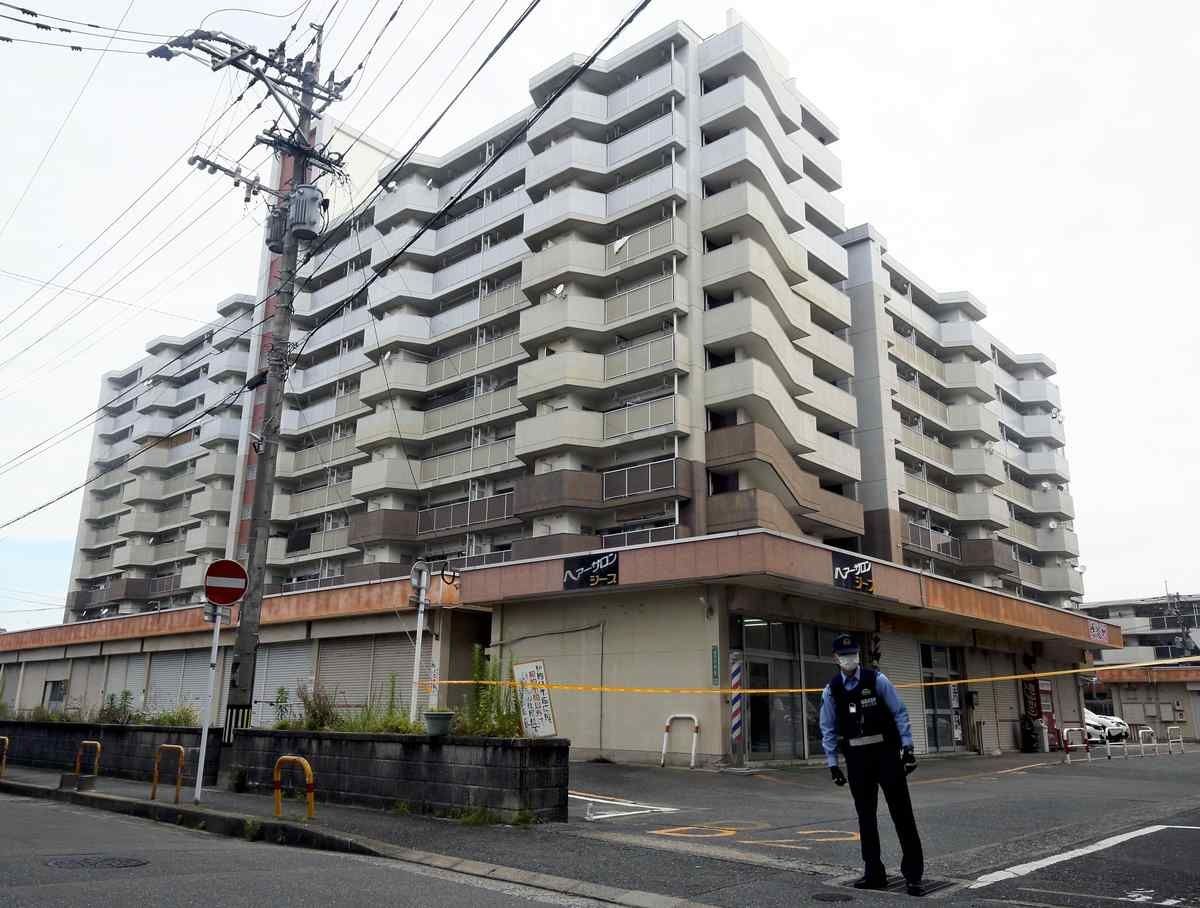
A 36-year-old woman was taken into custody on Thursday, June 18, in connection with the fatal stabbing of her friend in Fukuoka City, Japan. The attack represents a disturbing case of domestic violence that unfolded metres away from where three young children lay sleeping, raising serious questions about the safety of residential spaces and the escalation of interpersonal conflicts into lethal violence.
According to investigators at Higashi Station under the Fukuoka Prefectural Police, the incident occurred around 3.15am on Thursday morning. The suspect allegedly attacked her 33-year-old friend multiple times, targeting the victim's neck and chest with a knife-like implement. The victim was rushed to hospital but could not be saved, with medical staff pronouncing her dead upon arrival. The case has since been reclassified from attempted murder to murder as authorities complete their investigation into the circumstances surrounding the killing.
The suspect has cooperated with police questioning and has already confessed to the attack. During her initial interrogation, she stated plainly: "It's true I did it. I stabbed her many times." This admission streamlines the investigative process, though it raises important questions about motive and what triggered such a violent response between two people who apparently knew each other well enough to share living space.
The presence of three elementary school-aged children asleep in an adjacent room during the attack adds an additional layer of tragedy to the case. The children, who would have been awakened or traumatised by the violence taking place mere metres away, represent innocent victims of circumstances beyond their control. In Japan, as across the world, domestic violence that occurs in the presence of children—whether they witness it directly or not—carries profound psychological implications for young people exposed to such trauma during their most formative years.
This incident reflects broader concerns about violence in residential settings throughout Japan and across Asia more generally. While Japan maintains relatively low crime rates compared to many nations, cases involving domestic or interpersonal violence in homes where vulnerable populations reside continue to occur with troubling regularity. The proximity of the attack to sleeping children highlights how quickly situations can become dangerous and how vulnerable dependent family members can be in confined residential spaces.
The relationship between the suspect and victim remains a crucial element of the investigation. The fact that they were living in shared accommodation suggests a level of familiarity, whether through friendship, family connection, or financial circumstance. Understanding what precipitated such violence—whether it stemmed from a dispute that escalated unexpectedly, underlying tensions that had festered, or other factors—will be important both for legal proceedings and for understanding prevention strategies.
Fukuoka City, Japan's sixth-largest metropolitan area, maintains generally safe neighbourhoods and low violent crime rates. Cases of fatal stabbing attacks in residential areas remain comparatively uncommon, making this incident particularly shocking to the local community and prompting renewed discussion about personal safety and intervention strategies for at-risk situations. For residents throughout Fukuoka and similar urban centres, such incidents underscore the importance of awareness regarding warning signs of escalating conflict among acquaintances and neighbours.
The investigation into this case will likely explore several dimensions beyond the basic facts of the attack itself. Authorities will seek to understand whether previous incidents or complaints had been made, whether mental health factors were involved, and whether the suspect had any history of violence. These details prove essential not only for building a complete legal case but also for identifying potential intervention points where tragedy might have been prevented.
For the broader community, particularly for child welfare authorities, this case raises important considerations about the safety of children in homes where violence occurs. The three children who were present during their mother's death will require significant psychological support and protective measures. Social services will need to assess their immediate safety, living arrangements, and long-term wellbeing as they process what has occurred.
The case also emphasises the importance of domestic violence prevention and awareness programmes throughout Japan and across Southeast Asia, where similar incidents affect families regularly. Creating safe pathways for people experiencing threatening situations, whether as potential victims or those at risk of perpetrating violence, remains an ongoing challenge for law enforcement and community organisations. Access to counselling, conflict resolution services, and emergency support systems can prove critical in preventing such tragedies.
As legal proceedings move forward, Japanese courts will examine the evidence gathered by Higashi Station and determine appropriate sentencing. The confession from the accused may influence proceedings, though Japanese law considers multiple factors including motive, circumstances, and intent when determining criminal responsibility and punishment. The case will serve as a sobering reminder of how quickly interpersonal disputes can escalate to fatal consequences, particularly in confined residential settings.