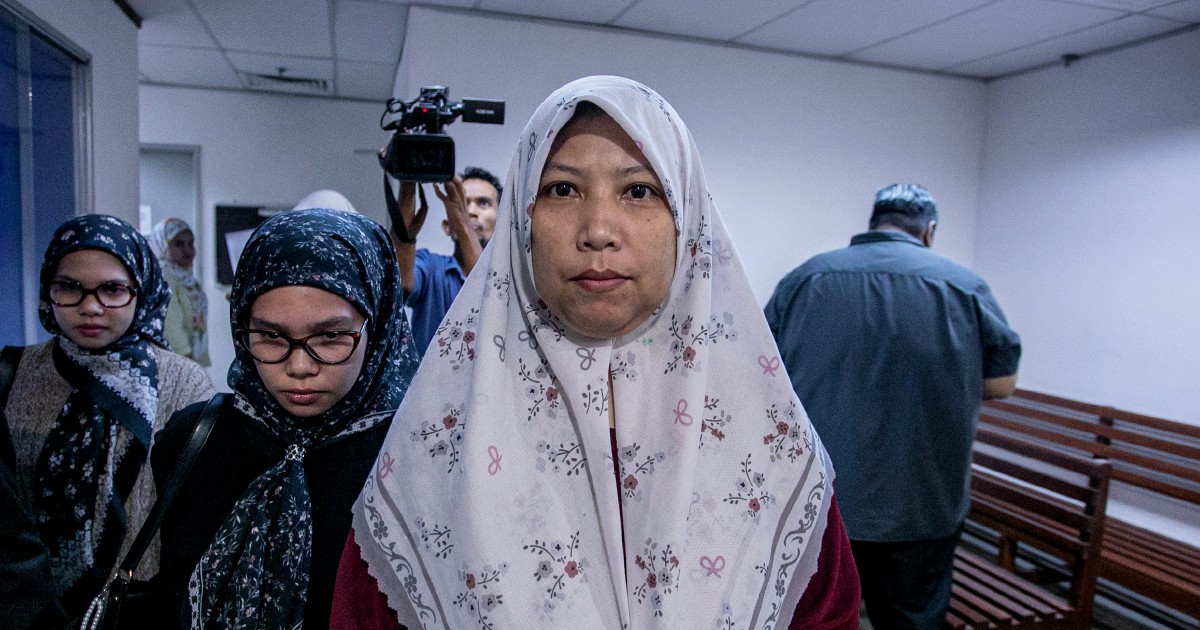
A woman appeared before Ipoh magistrate's court and accepted responsibility for an assault against Sultan Nazrin Shah, Sultan of Perak, during last year's National Day festivities in the state. The Ipoh court imposed a financial penalty of RM500 following her guilty plea to charges of applying criminal force against the royal dignitary. The incident occurred during celebrations marking Malaysia's national commemoration, where the woman made unauthorised physical contact with the Sultan in an apparent breach of protocol and law.
The circumstances surrounding the assault remained relatively contained within court proceedings, with the magistrate determining that a monetary fine was the appropriate punishment following the swift guilty plea. The use of criminal force against any member of the royal household carries serious legal implications in Malaysia, where the monarchy holds constitutional significance and enjoys statutory protections under federal and state law. The relatively modest fine reflects either the minor nature of the physical contact or mitigating factors presented during sentencing considerations.
Sultan Nazrin Shah has led Perak since his ascension to the throne in 2019, succeeding his father Sultan Azlan Shah who reigned for over three decades. The Sultan plays a central role in state affairs and represents Perak in ceremonial and constitutional functions, making any incident involving physical contact with the royal person a matter of legal concern. National Day celebrations, held annually on 31 August, typically draw large public gatherings across Malaysia, creating environments where security and crowd management become essential considerations for protecting dignitaries and maintaining public order.
The guilty plea suggests the woman did not contest the charges, potentially indicating either remorse or acceptance of the legal determination following initial investigation by authorities. Court cases involving assaults on royal figures are relatively uncommon in Malaysian legal annals, as most public interactions with monarchs occur in controlled, formal settings where security protocols minimise unexpected physical contact. The public nature of National Day celebrations, however, means thousands of citizens may pass near or interact with state dignitaries, creating occasional incidents where decorum breaks down or individuals act impulsively.
Malaysian law extends specific protections to members of the royal family through various statutes and constitutional provisions. The Penal Code contains provisions addressing offences against the person, while state-level laws and protocols further safeguard royal dignity and physical security. The magistrate's decision to impose a financial penalty rather than custodial punishment indicates the court viewed the matter as falling within the lower spectrum of assault charges, possibly categorising the incident as a brief, non-violent contact rather than an aggressive or dangerous assault.
The incident underscores the challenges faced by security personnel in balancing public accessibility with protective requirements during large state events. National Day celebrations intentionally create spaces where ordinary citizens encounter their leaders and representatives, yet such openness inherently creates situations where behavioural standards may not be universally observed. Perak's event organisers, like those managing similar occasions throughout Malaysia, must navigate the tension between promoting national unity through public celebrations and maintaining security for protected persons.
For Ipoh, a city known for its administrative importance as Perak's capital and its historical significance in Malaysian governance, such legal proceedings receive local attention as matters involving state institutions. The magistrate's court decision contributes to a body of case law regarding offences committed during public events and interactions with protected persons. Similar cases elsewhere in Malaysia have resulted in varying penalties depending on circumstances, injury sustained, and evidence of intent.
The woman's acceptance of guilt through her plea meant the court did not need to conduct a full trial with witness testimony and evidence presentation, streamlining judicial processes while confirming the factual basis of the assault charge. This procedural efficiency is typical in Malaysian courts when defendants acknowledge culpability early in proceedings. The RM500 fine, while not insignificant, operates within ranges commonly imposed for minor assault convictions in Malaysian magistrate courts, particularly where no serious injury results.
The case illustrates broader questions about public behaviour during state occasions and the expectations placed on citizens attending national celebrations. Malaysia's multicultural society and diverse population means that individuals may hold varying understanding of proper conduct around royalty, particularly in informal settings during public events. Educational campaigns and clear signage about behaviour standards might help prevent similar incidents in future celebrations.
For Southeast Asian observers, the incident reflects how constitutional monarchies like Malaysia manage the public's relationship with the crown through legal frameworks while maintaining accessible, celebrated public events. The proportionate response through a modest fine suggests Malaysian authorities view such isolated incidents pragmatically rather than as serious threats requiring harsh penalties. The case closes without creating controversy, demonstrating the competent handling of a sensitive situation involving a protected person and the rule of law.

