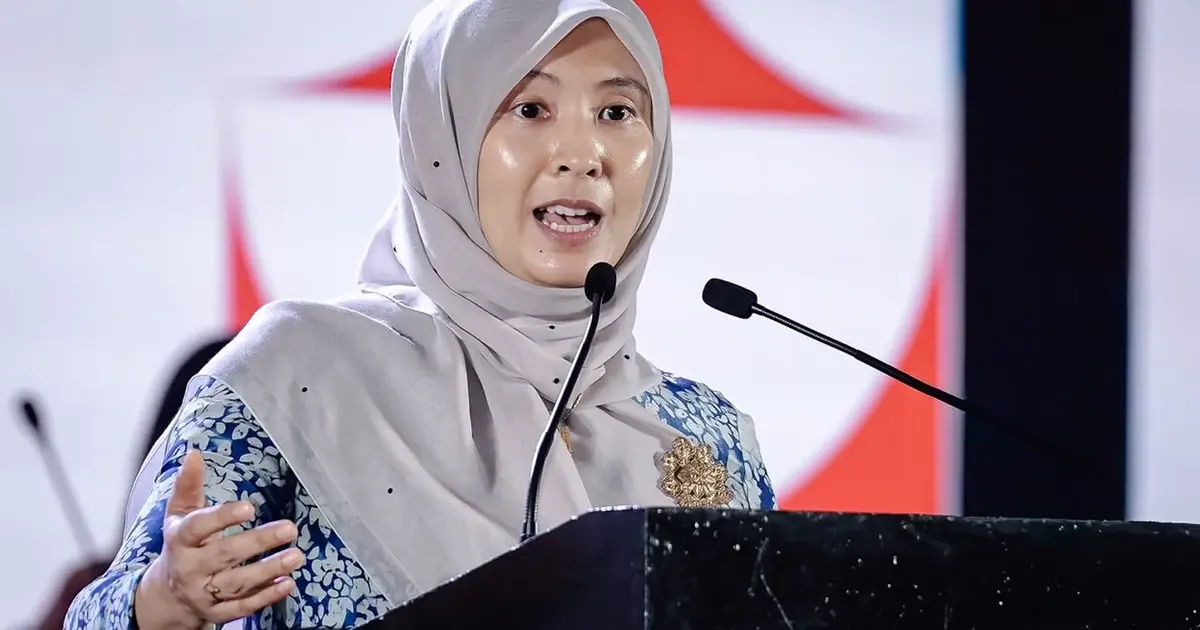
Nurul Izzah Anwar has adopted a philosophical stance toward the mounting criticism directed at her following a series of political setbacks, contending that satisfying all observers is an inherently impossible task. The PKR figure's remarks come as she faces sustained public scrutiny over multiple fronts, from her electoral performance in GE15 to her bid for the party's deputy presidency and her subsequent decision to step back from the role.
The daughter of Anwar Ibrahim has long occupied a prominent position within the opposition landscape, but recent developments have drawn attention from both supporters and detractors alike. Her loss in the 15th general election represents a notable reversal from her previous political standing, signalling shifting electoral fortunes in her constituency. This defeat has sparked broader conversations about her political trajectory and the PKR's organisational strength in key battlegrounds.
Beyond electoral performance, Nurul Izzah's bid for the deputy presidential position within the People's Justice Party has itself become a point of contention. The internal party dynamics surrounding her candidacy revealed tensions within PKR's leadership structure and raised questions about succession planning and generational renewal within Malaysia's primary opposition coalition party. Her campaign for the post highlighted both her ambitions and the degree to which her decisions invite external commentary.
The decision to take leave from the deputy president role, should she have assumed it, further intensified scrutiny surrounding her political decisions. This move prompted observers to question whether personal circumstances, party politics, or strategic calculations informed her choice to step back from such a high-profile position. For an established political figure with her profile and family connections, the optics of such decisions carry implications beyond immediate personal circumstances.
Nurul Izzah's recent comments reflect a broader challenge facing Malaysian politicians in the age of social media and heightened political transparency. Every decision, statement, and move becomes subject to instant analysis and criticism from diverse stakeholder groups with competing interests and ideological perspectives. What one faction views as prudent political strategy another interprets as retreat or inconsistency.
The timing of her remarks is significant given the broader political landscape in Malaysia. As PKR navigates its role within opposition coalitions and contemplates its electoral strategy for future contests, questions about the viability and visibility of its senior figures naturally emerge. Nurul Izzah's positioning within the party hierarchy and her ability to command electoral support directly affects the coalition's calculus and confidence heading into the next electoral cycle.
Her pushback against criticism also speaks to a particular dynamic within Malaysian politics whereby family connections to prominent figures—in her case, to Prime Minister-in-waiting Anwar Ibrahim—can sometimes overshadow individual achievement and political legitimacy. Critics occasionally suggest she has benefited from proximity to power, while supporters counter that such reasoning diminishes her own political agency and accomplishments. This ongoing tension colours much of the discussion surrounding her career moves.
The dismissal of critics reflects a practical political reality: sustained high-profile positions require developing thick skin and declining to respond to every perceived slight or accusation. Politicians who engage continuously with detractors often find themselves trapped in defensive cycles that consume energy better directed toward constructive political work. Nurul Izzah's refusal to be drawn into extended defensive posturing may itself represent a strategic calculation about where to direct her efforts and political capital.
However, the accumulation of challenges—electoral defeat, contested internal party elections, and absence from positions—does raise legitimate questions about her political viability and future direction. For a figure of her stature and connections, such developments warrant reflection beyond dismissive platitudes. Whether she intends to rebuild her electoral base, strengthen her position within PKR through other means, or recalibrate her political ambitions altogether remains unclear to external observers.
For Malaysian political watchers, Nurul Izzah's situation encapsulates broader tensions within the country's opposition movement. The PKR faces pressure to demonstrate renewal and organisational strength while maintaining cohesion among rival factions and leadership aspirants. How the party navigates succession and slots its various senior figures into roles where they can contribute effectively will partially determine the opposition coalition's electoral competitiveness.
Moving forward, Nurul Izzah's political relevance will likely depend less on philosophical acceptance of criticism and more on tangible contributions to PKR's political objectives. Whether through legislative work, constituency engagement, or strategic party roles outside the spotlight, she retains opportunities to shape her political narrative beyond mere defensive positioning. The coming months will reveal whether her leave of absence represents a temporary recalibration or a more significant reorientation of her political priorities.

