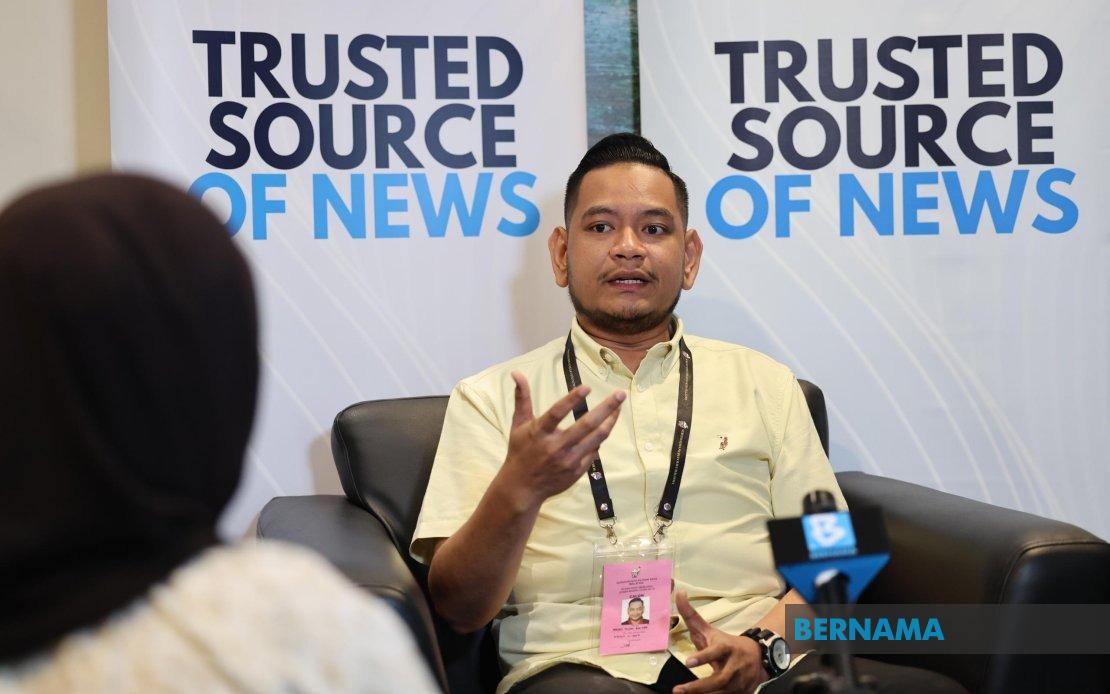
In a bid to shake up one of Barisan Nasional's traditional strongholds, Pakatan Harapan has fielded Amirul Huzni Onn, a 29-year-old political newcomer and Youth chief of Parti Amanah Negara, to contest the Sedili state seat in the upcoming Johor election scheduled for July 11. Rather than viewing his inexperience as a liability, the young candidate has reframed the generational contest as an opportunity to demonstrate that age and novelty in Malaysian politics can translate into fresh, responsive governance.
Amirul Huzni will face two considerably more seasoned political figures in what promises to be a closely watched three-cornered fight. His opponents include Muszaide Makmor, the incumbent BN representative, and Rasman Ithnain, a former three-term Sedili assemblyman now representing Perikatan Nasional. The contest pits established political machinery against a younger generation eager to prove itself, a dynamic increasingly visible across Malaysia's electoral landscape as voters grapple with questions about whether experience or renewal should guide local governance.
The Sedili candidate has adopted an unconventional framing of his disadvantage, arguing that his status as a political outsider is precisely what enables him to offer constituents something different. He contends that younger candidates arrive unencumbered by the accumulated baggage of previous failed initiatives or unfulfilled promises, allowing them to build trust on a foundation of transparency rather than inherited political capital. This positioning reflects broader frustrations among Malaysian voters, particularly in urban and semi-urban constituencies, with what they perceive as entrenched political structures resistant to change and accountability.
When asked about the disparity in political experience separating him from his rivals, Amirul Huzni acknowledged the reality frankly. He recognised that traditional measures of political influence—including name recognition, established networks, and historical institutional connections—clearly favour his more experienced opponents. Yet he pivoted to a more philosophical argument about electoral contests themselves, suggesting that victory ultimately depends not on accumulated credentials but on presenting voters with a compelling vision they find credible and achievable. This framing resonates with younger Malaysian voters increasingly sceptical of arguments that tenure and seniority automatically confer legitimacy or competence.
The PH candidate's electoral manifesto reflects a calculated strategy to avoid overpromising and instead concentrate on tangible, locally relevant issues that directly impact daily life in Sedili. Rather than offering sweeping visions of transformation, he has identified specific problems requiring concrete solutions. This pragmatic approach may prove particularly appealing in a constituency where previous election cycles may have witnessed unfulfilled campaign pledges, leaving residents wary of grand rhetorical flourishes unsupported by realistic implementation plans.
Among his identified priorities is completion of a fuel station long promised to the Sedili community but never realised. The project, which has been substantially advanced toward implementation—with land already cleared more than a year ago—remains stalled, frustrating local fishermen and recreational anglers who depend on convenient fuel access. By highlighting this specific, quantifiable objective with visible progress already initiated, Amirul Huzni aims to demonstrate that his concerns are grounded in local reality rather than abstract political promises. Successfully delivering on such a tangible goal early in his tenure, should he win, could establish crucial credibility for future initiatives.
The Sedili contest unfolds against a broader Malaysian context where generational tensions within political parties are becoming increasingly pronounced. Amanah, which has positioned itself as a reformist force within Pakatan Harapan, has staked significant hopes on younger candidates who can articulate progressive values while remaining rooted in community concerns. Amirul Huzni's candidacy thus carries implications beyond his individual electoral prospects, functioning as something of a test case for whether this strategy resonates with voters fatigued by traditional political approaches.
Notably, Amirul Huzni has publicly emphasised the importance of conducting his campaign with maturity and respect toward political opponents, even on nomination day when such conflicts often escalate. This stance, while potentially appearing weak in the context of hardscrabble Malaysian electoral competition, also reflects a calculated appeal to voters increasingly alienated by aggressive, divisive campaigning tactics. By contrasting his approach with the often acrimonious nature of contemporary Malaysian political contests, he positions himself as a representative of a different political generation willing to compete fiercely while maintaining community harmony and civility.
The Johor state election, from which this Sedili contest emerges, represents a significant electoral moment for both Pakatan Harapan and the broader Malaysian political landscape. The state has traditionally leaned toward Barisan Nasional governance, making it territory where opposition parties must demonstrate they can credibly challenge entrenched power structures. Results in constituencies like Sedili will offer important indicators about whether Malaysian voters are genuinely prepared to entrust political power to younger, less institutionally connected candidates, or whether the pull of established political machinery and name recognition remains decisive.
Early voting is scheduled for July 7, with the main polling day set for July 11. The timing provides both Amirul Huzni and his opponents with roughly a week to make their final electoral appeals to a constituency that may prove pivotal in determining the broader outcome of Johor's state-level contest. For a young candidate seeking to upset conventional expectations about political progression and experience, this compressed campaign period presents both opportunity and challenge—insufficient time to fully overcome the influence of established political networks, yet sufficient to mobilise younger and first-time voters who may be most receptive to his message of generational renewal.
The Sedili contest ultimately reflects deeper questions about Malaysia's political future. As the country grapples with demands for institutional reform and more responsive governance, the performance of younger candidates like Amirul Huzni will help determine whether Malaysian democracy is genuinely open to generational succession and fresh approaches, or whether established structures will continue to dominate despite rhetorical commitments to change. His success or failure will likely influence similar campaigns across Southeast Asia, where generational change in politics remains contested terrain.

