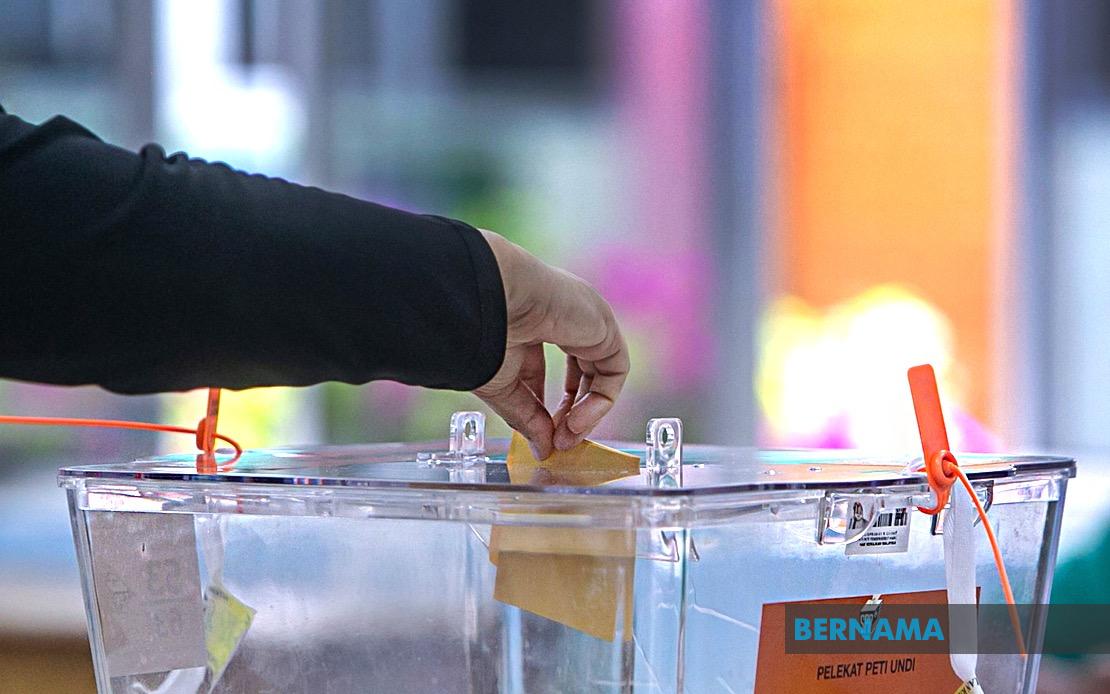
The Ministry of Youth and Sports has directed all Youth and Sports Skills Training Institutions across the country to grant special leave to students who wish to participate in electoral processes, whether in general elections, state polls, or by-elections. This policy initiative seeks to remove barriers that might otherwise prevent young voters from exercising their democratic rights while pursuing vocational training.
The directive came through the Youth Skills Development Division, which issued formal notification to all ILKBS directors outlining the framework for implementing this special leave arrangement. The move signals recognition from the government that civic participation and skills development need not be mutually exclusive, particularly for Malaysia's youth population who represent a significant bloc of registered voters.
According to the ministry's statement, the underlying rationale centres on the principle that electoral participation is a fundamental responsibility of citizenship. Young trainees should not face an impossible choice between continuing their skills programmes and fulfilling their duty to vote, the ministry emphasized. This framing positions voting as a civic obligation that warrants institutional accommodation, rather than an optional activity that competes with training schedules.
The special leave application process has been designed with practical considerations in mind. Students seeking time off must submit requests directly to their respective ILKBS management, which will evaluate each application based on several criteria. These include the distance between the training institution and the student's designated polling centre, the reasonable travel time required, and the capacity to reschedule or adjust the institution's training and learning calendars without disrupting overall educational outcomes.
Approval for special leave remains at the discretion of individual ILKBS directors, giving institutions flexibility to manage their own operational constraints and attendance records. This decentralized approach acknowledges that different training programmes and locations face varying scheduling pressures. The ministry emphasized that student welfare and safety considerations will remain paramount in any approval decisions, ensuring that arrangements facilitate safe and orderly participation rather than creating logistical problems.
The ministry has also mandated that all ILKBS institutions proactively inform eligible student voters well in advance of upcoming elections, creating sufficient lead time for students to submit applications and make travel arrangements. This preventive notification system aims to eliminate last-minute complications and enable smoother coordination between student voters, training management, and their home communities. Early communication also allows institutions to plan their training schedules more effectively when multiple students require simultaneous leave.
From a policy perspective, this directive reflects broader youth engagement strategies that have gained prominence in Southeast Asian democracies. Malaysia has historically grappled with questions about youth voter turnout and political participation, particularly among younger demographics who may face institutional or circumstantial obstacles. By removing administrative barriers at training institutions, the government seeks to signal that voting is encouraged and facilitated, not discouraged or treated as an inconvenience.
The move also carries symbolic weight for Malaysia's democratic institutions. Skills training programmes have expanded significantly as part of vocational education initiatives, drawing tens of thousands of young Malaysians into full-time institutional settings. Without special leave provisions, a substantial cohort of eligible voters could potentially miss electoral opportunities simply due to training schedules. Removing this friction point represents a tangible commitment to inclusive democratic participation.
For ILKBS students, the policy offers practical relief from what might otherwise constitute a genuine dilemma. Young Malaysians in these programmes often come from rural or distant areas, making the journey home to vote logistically and financially challenging within compressed timeframes. By granting special leave, institutions acknowledge that voting participation sometimes requires geographic mobility that cannot be accomplished during conventional breaks or after-hours arrangements.
The ministry's appeal for responsible voting exercise adds a civic education dimension to the policy announcement. Framing this accommodation as enabling youths to "strengthen democracy and national development" suggests that the government views young voter participation not merely as a procedural necessity but as an active contribution to the nation's political health. This language may be intended to encourage a sense of ownership and civic consciousness among young voters in training programmes.
Implementation will depend on how individual ILKBS directors interpret and apply the directive. Some institutions may develop streamlined approval processes, while others might require more detailed justification from applicants. Consistency in approach across different training centres could influence how effectively this policy achieves its intended outcomes. The ministry's emphasis on systematically managing attendance records suggests that careful documentation will be important for both tracking compliance and maintaining programme integrity.
For Malaysian voters and election observers, this development reflects the government's effort to remove structural impediments to participation while maintaining programme standards and institutional order. Whether this represents a broader commitment to youth engagement or a more limited policy response remains to be seen. Future electoral cycles will provide data on uptake rates and whether special leave provisions effectively increase voting participation among ILKBS students.

