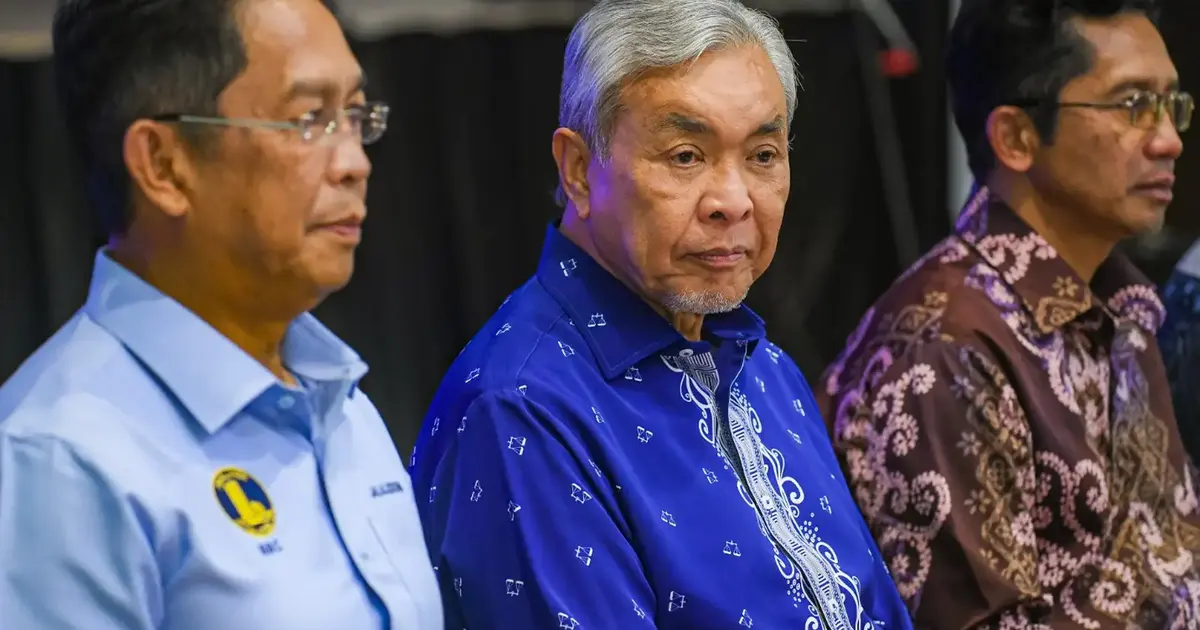
Barisan Nasional chairman Zahid Hamidi has urged authorities to conduct a thorough investigation into claims of vote-buying activities reported in Negeri Sembilan, stating that the coalition has already taken formal steps to escalate the matter through official channels. The appeal underscores growing concerns within the ruling coalition about electoral integrity and the need for swift action against those suspected of engaging in corrupt campaign practices.
According to Zahid, multiple police reports have been submitted to law enforcement agencies, each fortified with documented evidence and detailed statements sourced from witnesses who claim to have observed or been offered inducements in exchange for their votes. This formal documentation provides authorities with a foundation to launch preliminary investigations and potentially pursue criminal charges if the allegations prove substantiated during preliminary inquiries.
The emergence of these allegations in Negeri Sembilan, a state where BN maintains significant political influence, highlights vulnerabilities in electoral oversight despite existing legal frameworks designed to prevent such malpractices. Vote-buying remains one of the most persistent challenges to democratic integrity in Malaysian politics, with enforcement agencies often struggling to gather sufficient evidence to secure convictions due to the clandestine nature of such transactions.
Negeri Sembilan has been a traditional stronghold for Barisan Nasional, with the coalition controlling the state government and holding substantial representation at both state and federal levels. Any erosion of public confidence in the electoral process in the state could have broader implications for BN's political standing and raise questions about the party's internal mechanisms for ensuring ethical campaign conduct among its members and supporters.
The timing of these revelations is significant given Malaysia's ongoing political volatility and the intense competition between coalitions during both general and state-level elections. Political observers have noted an apparent uptick in reports of irregular campaign practices across multiple states, suggesting that enforcement agencies may need to strengthen their monitoring capabilities and investigative resources to effectively combat electoral misconduct.
Zahid's decision to publicly acknowledge the filing of police reports and call for investigation appears to reflect BN's intention to distance itself from any vote-buying activities and demonstrate a commitment to upholding electoral standards. This approach contrasts with historical instances where political parties have attempted to downplay or suppress reports of misconduct within their ranks, and suggests an evolving institutional response to public accountability demands.
The witness statements cited by Zahid represent a crucial component of any potential investigation, as direct testimonies often provide investigators with the specificity needed to identify perpetrators and establish the mechanisms through which inducements were offered. However, prosecutors in electoral misconduct cases frequently encounter challenges in securing convictions, as witnesses may prove reluctant to testify publicly due to social or political pressure, or victims may struggle to articulate the precise nature of offers they received.
Under Malaysia's electoral laws, vote-buying constitutes a serious offence that can result in significant penalties for those convicted, including fines and imprisonment. Despite these deterrents, the practice persists across various electoral contexts, suggesting that the potential returns from securing votes through financial or material inducements often outweigh the perceived risks of detection and prosecution in the calculations of those inclined toward such conduct.
The Royal Malaysia Police and election commission bodies now face the responsibility of conducting investigations that are both thorough and expedient, ensuring that due process is followed while public interest in the matter remains high. The credibility of their investigative processes will be closely scrutinised by political observers, civil society organisations, and the general electorate, particularly given the high-profile nature of the allegations and the prominence of those potentially implicated.
For Malaysian voters and political stakeholders alike, these allegations serve as a reminder of the persistent challenges facing the nation's democratic institutions and the necessity for continuous vigilance against practices that undermine electoral authenticity. The role of civil society in reporting suspected misconduct and supporting witnesses has become increasingly vital in an environment where formal oversight mechanisms sometimes struggle to identify irregularities without external information and cooperation from the public.
The broader implications extend beyond Negeri Sembilan, as the exposure of vote-buying schemes in one state inevitably prompts scrutiny of similar practices elsewhere and raises questions about whether such conduct is endemic across multiple electoral jurisdictions or concentrated in specific regions. Political analysts suggest that addressing this challenge effectively will require coordinated efforts involving law enforcement, election management authorities, political parties, and community organisations working together to strengthen electoral integrity standards.

