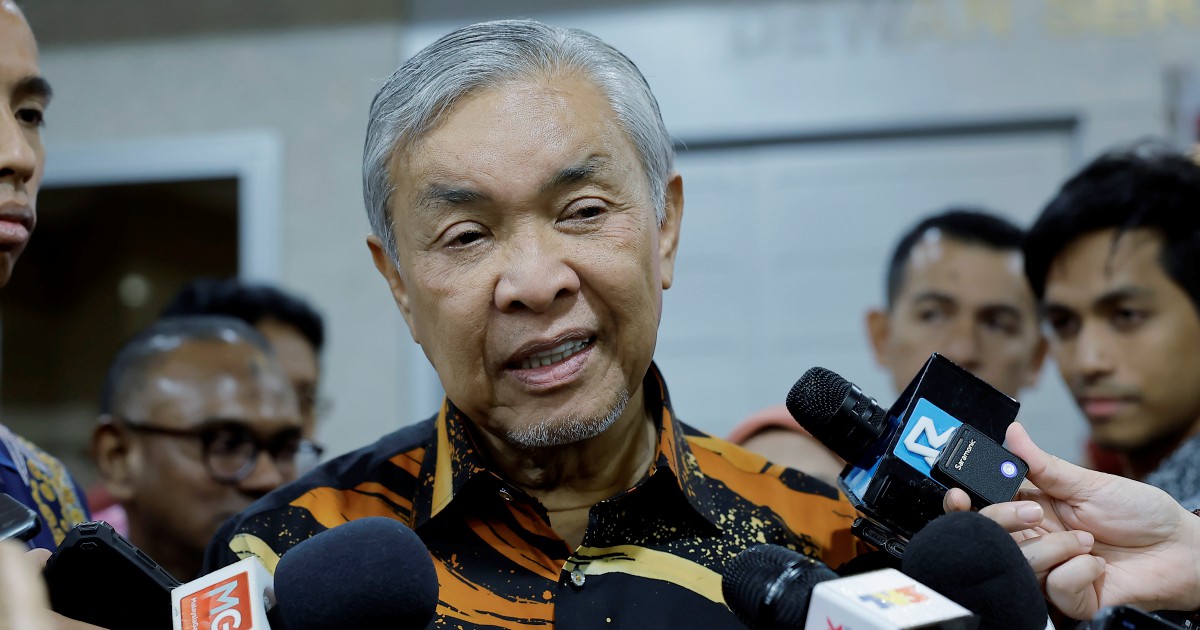
Barisan Nasional chairman Datuk Seri Dr Ahmad Zahid Hamidi has firmly rejected accusations of outside interference in the selection of Negri Sembilan's new Menteri Besar, characterising such claims as fundamentally misguided. Speaking in Putrajaya, Zahid suggested that those raising such concerns simply do not grasp the intricate workings of contemporary Malaysian politics, dismissing their arguments as uninformed commentary rather than substantive critique.
The remarks come amid ongoing scrutiny of the appointment process that saw a particular candidate elevated to the position. Within Malaysia's complex political landscape, appointments of state-level leadership positions have traditionally involved multiple stakeholders, party negotiations, and federal considerations—dynamics that often generate speculation about the true drivers of such decisions. Zahid's defence indicates the BN leadership views the process as entirely routine and within established norms, though the public controversy suggests broader questions about transparency and decision-making mechanisms within the coalition.
The Negri Sembilan appointment holds particular significance for BN's standing in a state where the coalition has traditionally enjoyed considerable influence. The Menteri Besar position represents not merely a ceremonial role but a crucial administrative post affecting state governance, development priorities, and resource allocation. Any appointment carries implications for both local governance and the broader dynamics between federal and state-level BN structures, making leadership transitions newsworthy and subject to public interest.
Zahid's dismissive response reflects a wider trend in Malaysian political discourse where senior figures respond to criticism by questioning the questioners' competence or awareness. This rhetorical approach, while common, often sidesteps the specific concerns raised by observers, whether they involve procedural transparency, intra-coalition fairness, or the influence of non-elected actors in appointment decisions. By framing objections as mere ignorance of "political realities," Zahid essentially argues that the complexities of Malaysian politics operate on levels comprehensible only to those within the system.
However, the persistence of such allegations suggests that at least some stakeholders within BN or among the broader Malaysian public perceive the appointment as unusual or potentially influenced by factors beyond normal party and state-level deliberation. Whether these concerns relate to suggestions that federal intervention shaped outcomes, or that particular party factions exercised disproportionate influence, remains unclear from Zahid's statement alone. The vagueness of his defence, combined with his refusal to address specifics, may itself fuel further speculation about what exactly occurred during the selection process.
For Malaysian observers accustomed to coalition politics, the question of "external interference" carries particular weight. The relationship between federal BN leadership and state branches has long involved tension between centralised authority and local autonomy. When critics invoke "external" influence in a state appointment, they may reference federal intervention, intervention by other coalition members beyond Negri Sembilan, or even influence from non-governmental figures with political connections. Without clarification from Zahid, these possibilities remain open to interpretation.
The appointment also reflects the current state of BN's political fortunes following the coalition's return to federal power after the 2022 elections. As BN works to consolidate influence across multiple states and strengthen its organisational coherence, decisions about state leadership become increasingly significant. Negri Sembilan, as a constituent state within BN's portfolio, represents both an opportunity for demonstrating effective governance and a test of the coalition's internal unity and decision-making processes.
Zahid's position as BN chairman places him at the intersection of coalition politics, party management, and federal-state coordination. His defence of the appointment process, therefore, carries weight beyond mere rhetoric—it represents an official statement about how BN conducts its internal affairs and makes major decisions. The fact that he felt compelled to issue such a defence, rather than allowing the appointment to pass without comment, suggests the controversy generated sufficient noise to require a response from the highest levels of the coalition.
Looking forward, how BN addresses ongoing questions about decision-making transparency in leadership appointments will influence both internal cohesion within the coalition and its credibility with the broader Malaysian electorate. Political parties in competitive democracies face inherent tensions between maintaining internal discipline and demonstrating openness to public scrutiny. BN's handling of this particular controversy may set expectations for how future appointments at state and federal levels receive public explanation and justification.
The broader context matters for Malaysia's political trajectory. Strengthening public confidence in the fairness and transparency of major political decisions contributes to stable democratic institutions. Conversely, perceptions that key appointments result from opaque processes involving undefined "external" actors can erode trust in political institutions and fuel cynicism about governance. Zahid's dismissal of concerns, while asserting confidence in the process, does not necessarily resolve the underlying questions that prompted the original allegations.

