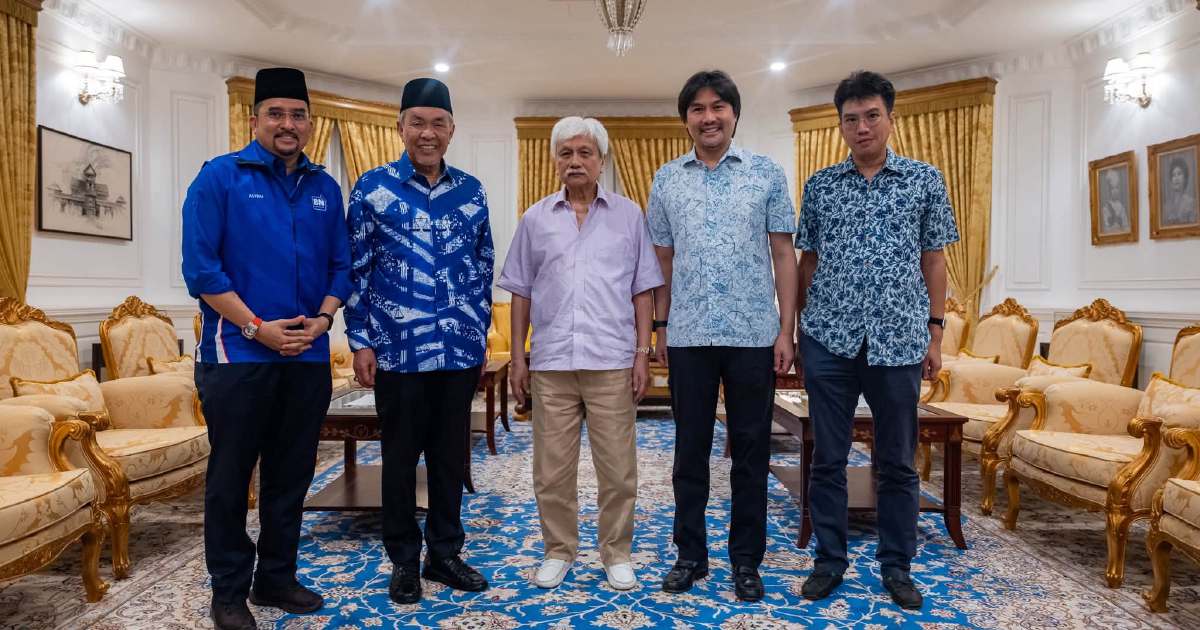
Barisan Nasional's leadership has moved forward with the succession process in Negri Sembilan by formally submitting a slate of three candidates to the state palace for the position of Menteri Besar. Datuk Seri Dr Ahmad Zahid Hamidi, who chairs the coalition, presented the names to the Negri Sembilan palace authorities in what marks a significant procedural step in determining who will lead the state government.
The submission reflects the established mechanism for filling Malaysia's top state executive positions, where the ruling coalition traditionally advances its preferred candidates for royal consideration. The palace maintains constitutional authority to appoint the Menteri Besar, though in practice the ruler typically selects from names proposed by the coalition commanding a legislative majority. This dual process of internal coalition selection followed by palace approval ensures both democratic legitimacy and institutional respect for the sultanate's constitutional role.
Negri Sembilan occupies an important position within Malaysia's political landscape as a state that has consistently maintained Barisan Nasional's control through successive general elections. The selection of a new Menteri Besar thus carries implications beyond the state itself, affecting the coalition's broader national standing and internal dynamics. How the coalition manages this succession can signal either unity or underlying tensions within its constituent parties, all of whom have strategic interests in the outcome.
The three-candidate approach provides the palace with genuine options while preserving the coalition's preferred outcome. By presenting multiple names rather than a single nominee, the arrangement respects royal prerogative while maintaining coalition discipline. This practice has become customary in Malaysian politics, balancing the modern democratic principle that voters select their representatives with the constitutional principle that sultans formally appoint chief ministers. The nuance reflects Malaysia's unique constitutional monarchy structure, where ceremonial authority carries real constitutional weight.
For observers watching Barisan Nasional's internal mechanics, the timing and composition of the candidate list offers insight into party dynamics and power distributions. The candidates themselves likely represent different factions or parties within the coalition, or alternatively demonstrate consensus on individuals with proven administrative capability. The palace's ultimate choice, whenever announced, will reveal which profile the ruler deemed most suitable for leading the state during the present political period.
Negri Sembilan's governance challenges and opportunities will shape the new Menteri Besar's agenda. The state has pursued economic diversification away from traditional industries, while managing development pressures and maintaining social cohesion across its diverse communities. Infrastructure projects, investment attraction, and public service delivery will occupy the incoming leader's priorities regardless of which candidate the palace selects.
The succession process also occurs within the context of broader Malaysian politics, where coalition stability remains an ongoing concern. Barisan Nasional has worked to consolidate its recent electoral recovery while managing expectations among component parties seeking representation in key positions. How the Negri Sembilan appointment unfolds will be scrutinised by other state branches and at the federal level, particularly regarding whether the process appeared inclusive or dominated by particular power centres.
The palace's decision-making process typically involves consultations beyond merely reviewing submitted names. Palace officials may seek guidance from existing state leadership, assess candidates' demonstrated administrative records, and consider any constitutional or ceremonial factors relevant to the appointment. This consultative approach, conducted privately, often extends beyond formal submission deadlines, meaning the public announcement of the chosen Menteri Besar may come weeks after candidate names reach the palace.
For political parties within Barisan Nasional, particularly those with significant presence in Negri Sembilan, the succession represents both opportunity and risk. A favorable appointment strengthens a party's standing within the coalition and its ability to influence state policy; an unfavorable outcome could provoke internal criticism or adjustment of coalition arrangements. Party leaders would have advocated their preferred candidates during internal coalition discussions preceding Zahid's palace submission.
The broader Southeast Asian context also matters, as Malaysian state-level governance contributes to the region's overall political stability and economic performance. Negri Sembilan's steady administration under successive Barisan Nasional leadership has enabled consistent policy implementation and investor confidence. Ensuring continuity through a smooth transition to a capable Menteri Besar serves both state interests and the region's economic ecosystem.
Ultimately, the next chapter in Negri Sembilan governance will begin when the palace announces its selection from the three submitted candidates. That decision will reflect both the coalition's institutional recommendations and the sultan's constitutional judgment, maintaining Malaysia's distinctive balance between democratic representation and monarchical authority.

