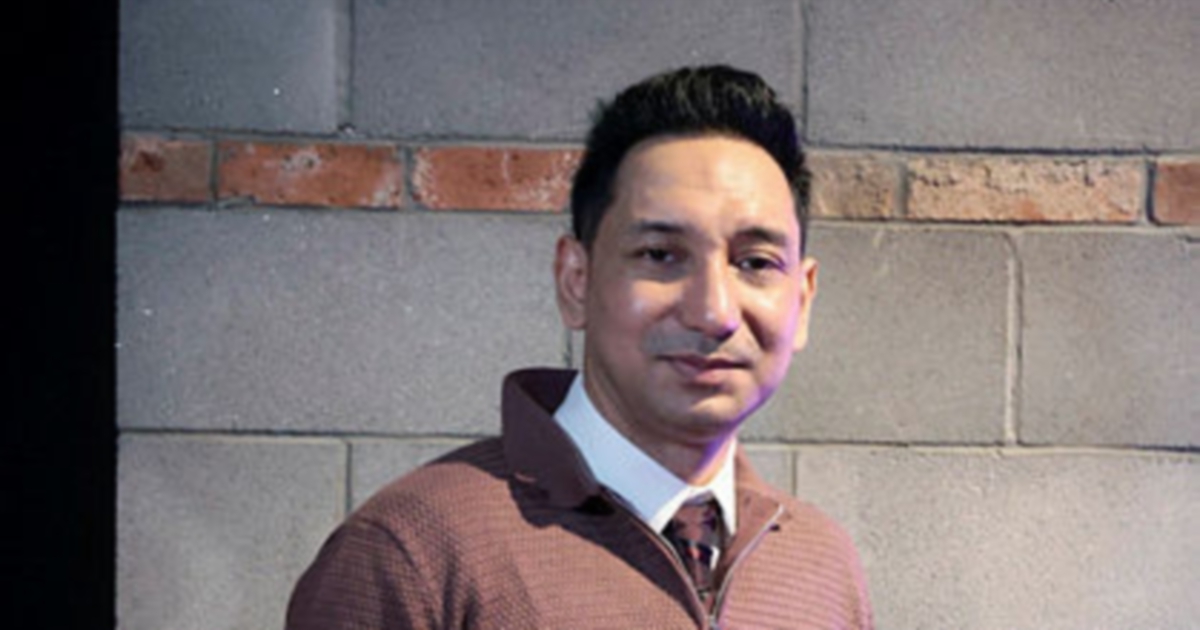
Malaysian actor and comedian Zizan Razak has recently issued a forthright statement addressing the growing problem of his photographs being repurposed online without permission to generate viral social media content. The entertainment personality's intervention comes amid increasing concern within the local showbusiness community about the unchecked circulation of celebrity likenesses across digital platforms, particularly through artificial intelligence applications that require minimal effort to implement yet carry substantial commercial and reputational implications.
Zizan's grievance extends beyond the simple sharing of his images. The primary issue concerns the creation of new content—specifically memes and promotional materials—that deploy his likeness while neither seeking his consent nor providing compensation. This distinction is crucial because it transforms passive image-sharing into active content creation that carries commercial value and potential brand association risks. When netizens craft memes featuring a celebrity's photograph, they are not merely circulating existing material; they are generating derivative works that can shape public perception and market narratives without the subject's input or control.
The rise of AI-powered image manipulation tools has dramatically lowered the technical barrier for such unauthorized content production. Whereas previous generations required some degree of graphic design skill or creative effort, contemporary applications enable virtually anyone to generate polished, convincing visual content in minutes. This accessibility paradoxically creates a greater enforcement challenge for public figures, who must now monitor not only deliberate misuse by commercial actors but also the casual creation of derivative works by ordinary internet users who may not fully appreciate the intellectual property and personality rights implications of their actions.
Particularly troubling for Malaysian entertainers is the phenomenon of unauthorised brand endorsements. When Zizan's image is incorporated into promotional materials without his knowledge or agreement, he risks being associated with products, services, or messages he would never voluntarily support. This represents a direct breach of his right to control his commercial persona and determine which brands align with his public image and personal values. For consumers and audiences, such unauthorized associations create confusion about actual endorsements versus fabricated ones, undermining the entire ecosystem of influencer marketing and celebrity partnerships.
The Malaysian entertainment industry has historically operated in a landscape where intellectual property enforcement, particularly regarding personality rights, remains inconsistently developed. Unlike Western jurisdictions with robust legal frameworks governing the use of a person's likeness for commercial purposes, enforcement in Southeast Asia often falls to individual celebrities willing to invest time and resources into pursuing violators. This asymmetry means that even well-known figures like Zizan must essentially police their own image across multiple platforms and account for countless individual violations, most of which go unaddressed due to practical limitations.
Social media platforms bear partial responsibility for this environment. While these services have implemented automated tools to combat copyright infringement of music and video content, protection of personality rights through image manipulation has received comparatively minimal investment. The platforms' business models incentivize engagement and content circulation, creating inherent tension with individual rights protection. This structural imbalance makes it incumbent upon content creators themselves to actively assert their rights, as Zizan has now done.
Zizan's public reminder serves multiple strategic purposes beyond the immediate issue. By explicitly stating that unauthorised use of his image is prohibited, he establishes a clear record of his objection, which strengthens any future enforcement action. His statement also educates his fanbase about the distinction between legitimate sharing and rights violations, potentially shifting social norms around the acceptable use of celebrity images. Furthermore, by framing the issue in terms of commercial exploitation—unpaid advertisements—he appeals to broader principles of fairness that resonate even with those who might otherwise view meme-creation as harmless play.
The situation reflects broader tensions emerging across Southeast Asia as social media penetration deepens and digital literacy remains unevenly distributed. Younger netizens, particularly those who have grown up with ubiquitous meme culture and user-generated content, may not intuitively understand why creating a meme using someone else's image constitutes a violation rather than homage or entertainment. Simultaneously, celebrities and public figures possess legitimate interests in controlling their commercial persona and protecting their reputation from association with unsuitable or false endorsements.
Malaysia's regulatory environment provides limited tools for addressing such violations independently. While the Copyright Act and Consumer Protection Act offer some recourse, personality rights and the right of publicity remain underdeveloped areas of Malaysian law compared to jurisdictions like the United States. This gap means celebrities often lack clear legal pathways for addressing even egregious violations, instead relying on cease-and-desist letters, platform reporting mechanisms, and public pressure—all of which require sustained individual effort.
Zizan's intervention also carries significance for the broader Malaysian entertainment ecosystem. By publicly asserting his rights, he sets expectations for how other entertainers should approach similar violations. His willingness to directly address the issue may encourage peers to do likewise, potentially building collective awareness about intellectual property protection. This cascading effect could gradually shift industry norms toward greater respect for personality rights, even as technology continues to lower the barriers for unauthorized use.
Moving forward, the resolution of such issues likely depends on multiple interventions operating simultaneously: platform policy improvements that better protect personality rights, evolving social norms that recognize meme-creation from unauthorized images as inappropriate, and potentially legislative clarification regarding personality rights in Malaysia. Until such systematic changes materialize, celebrities like Zizan must continue the labour-intensive work of individually asserting their rights in the digital sphere.

