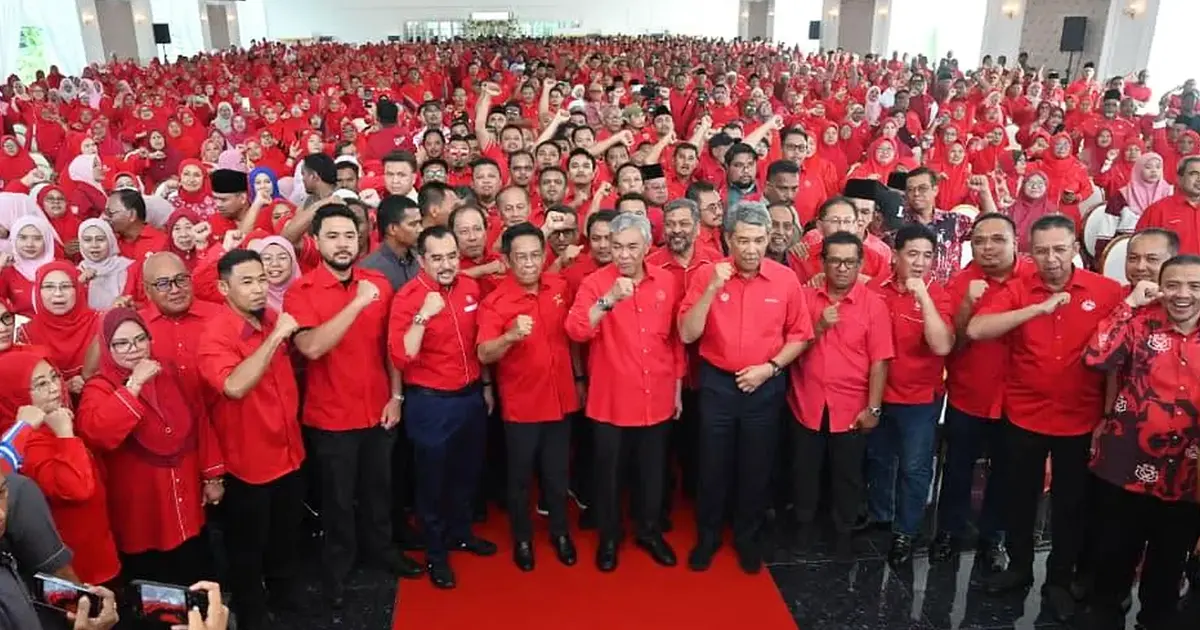
Barisan Nasional chairman Ahmad Zahid Hamidi has signalled a devolved approach to the coalition's candidate selection process for the Negeri Sembilan state elections, placing primary responsibility for seat negotiations in the hands of the state-level leadership. The decision to delegate these crucial discussions to Negeri Sembilan BN chief Tok Mat reflects a broader strategy within the coalition to allow regional bodies greater autonomy in determining their own electoral preparations, rather than imposing centralized directives from the national headquarters.
This move carries significant implications for how BN intends to manage the delicate balance of power-sharing among its component parties in the coming state polls. The allocation of state assembly seats among BN's various member parties—including UMNO, MCA, and MIC—has historically been a contentious process, with each organization vying for larger representations to enhance their political standing and influence within the state government. By empowering the state BN chief to lead these negotiations, Ahmad Zahid appears to be devolving decision-making authority to those closest to the local political dynamics and inter-party relationships.
Tok Mat's appointment as the chief negotiator signals confidence in his ability to broker consensus among the often-competing interests of BN's constituent parties. As the Negeri Sembilan BN chief, he possesses intimate knowledge of the political landscape in the state, including the relative electoral performance of different BN parties in previous contests, the viability of incumbent representatives, and the ground-level organizational capacity of each party in specific constituencies. His position allows him to engage directly with party leaders operating at the state level, facilitating discussions that might prove more productive than those conducted through national party hierarchies.
The timing of this announcement reflects BN's strategic recalibration following recent electoral performances in other states. The coalition has faced mounting pressure to demonstrate competent governance and inclusive representation across its component parties, particularly in states where multiple BN members hold significant numbers of seats. Negeri Sembilan, historically a BN stronghold, represents an important testing ground for the coalition's ability to maintain cohesion while accommodating the aspirations of smaller parties within the alliance.
For Malaysian political observers, the devolution of seat-allocation decisions to state leadership represents a potential shift away from the top-down decision-making that has characterized BN operations for decades. This approach could enhance legitimacy among party members and constituents who perceive that their local representatives have meaningful input into candidate selection, rather than viewing the process as predetermined by national party elites. However, it also introduces the risk of inconsistency and protracted negotiations that could delay candidate announcements closer to election day.
The implications extend beyond mere procedural matters. By delegating authority to Tok Mat, Ahmad Zahid may be attempting to demonstrate that BN has learned from previous electoral setbacks where centralized candidate selection processes generated internal grievances and loyalty defections. Many analysts attribute BN's erosion of support in several states to perceptions that the coalition's national leadership favored certain parties or individuals over others in seat allocation, creating resentment among sidelined members and their supporters.
Negeri Sembilan's political composition makes the seat-allocation process particularly complex. The state has emerged as a competitive arena where BN's dominance faces challenges from opposition parties, demanding that the coalition field its strongest possible slate of candidates. This necessitates careful assessment of which representatives can retain their existing seats, which new candidates demonstrate sufficient electoral appeal, and how seats can be distributed to balance the interests of UMNO, which typically commands a larger proportion, against the expectations of smaller coalition members seeking increased representation.
The role of Tok Mat in these negotiations will require diplomatic skill and political acumen. He must navigate competing demands from BN component parties while maintaining focus on the overarching objective of winning the maximum number of seats in the state assembly. His success in achieving a broadly acceptable allocation formula will significantly influence BN's unity and campaign effectiveness in Negeri Sembilan, potentially serving as a model for how the coalition conducts similar discussions in other states.
From a broader Southeast Asian perspective, BN's approach to internal power-sharing and candidate selection carries lessons for other regional political coalitions grappling with the challenge of maintaining multi-party alliances in competitive electoral environments. The delegation of authority to state-level leadership reflects recognition that cookie-cutter national approaches may not adequately account for the distinctive political contexts in different regions.
Ahmad Zahid's explicit statement that he has transferred responsibility for these matters to the Negeri Sembilan BN chief also serves a strategic communication purpose. By publicly stepping back from direct involvement in seat discussions, the BN chairman reduces the likelihood that his office will be perceived as biased in favor of particular parties or candidates, potentially dampening grievances from those dissatisfied with final allocations. The responsibility for difficult decisions rests visibly with the state-level leadership, allowing national party management to maintain distance from contentious internal negotiations.
The candidate selection and seat allocation process will inevitably attract intense scrutiny from party members, rival political parties, and media observers. The outcomes will send clear signals about which representatives BN considers most viable, and decisions to exclude long-serving members or overlook aspiring candidates will generate discussion about the coalition's future direction. Tok Mat's handling of these pressures will test both his political judgment and his capacity to maintain party unity during a crucial pre-election phase.

