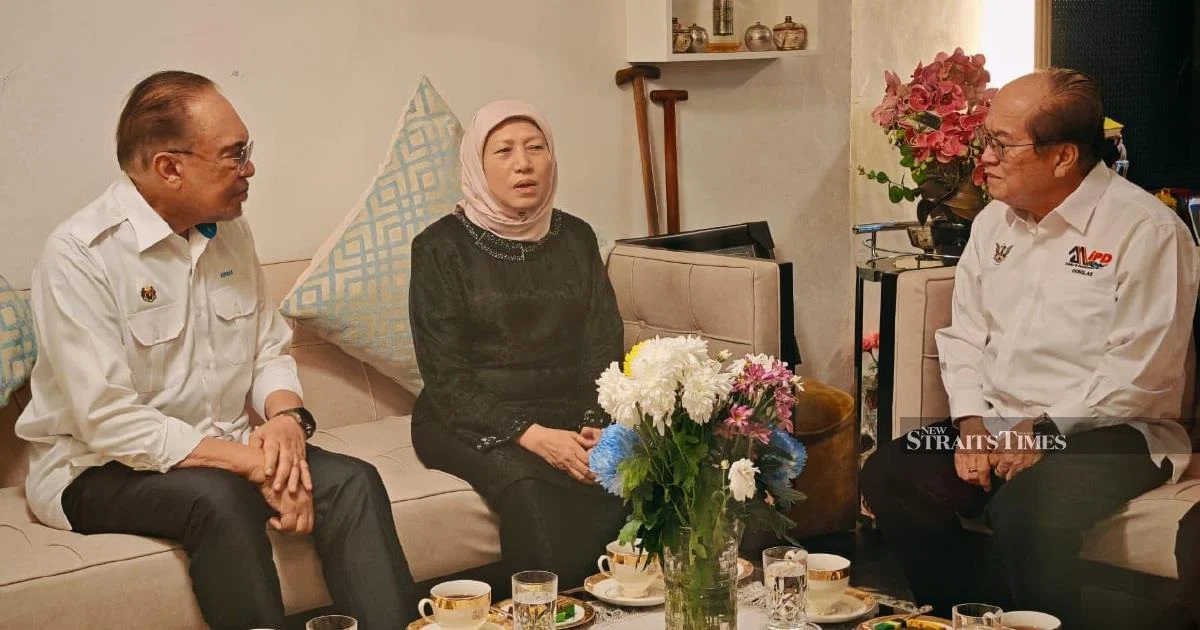
Prime Minister Datuk Seri Anwar Ibrahim travelled to Kuching to personally extend his sympathies to Women, Family and Community Development Minister Datuk Seri Nancy Shukri following the passing of her spouse, Datuk Kamil Misuari. The visit underscores the significance of maintaining institutional solidarity within the federal cabinet during moments of personal tragedy affecting senior government officials.
Such condolence visits from the nation's top leadership carry considerable symbolic weight in Malaysian political culture. When a sitting minister loses a family member, the Prime Minister's physical presence at the bereaved residence represents more than mere courtesy—it demonstrates the government's acknowledgement of the minister's contributions to the administration and affirms the bonds of collegial respect that bind the cabinet together. In this instance, Anwar's journey to the Sarawak capital reflects the importance placed on acknowledging Nancy Shukri's position within the federal government structure.
Nancy Shukri has held the ministerial portfolio overseeing women's affairs, family matters, and community development since her appointment to the cabinet. Her responsibilities encompass a broad range of social policy initiatives affecting millions of Malaysian families, from welfare schemes to gender-based initiatives and community engagement programmes. The minister's work in these areas frequently places her at the forefront of discussions regarding social cohesion and family welfare, making her role integral to the government's broader policy agenda.
The death of Kamil Misuari represents a personal loss for the minister at a time when she continues to shoulder significant administrative responsibilities. Balancing grief with the demands of high office presents considerable challenges, and customary gestures of support from cabinet colleagues and the Prime Minister provide essential acknowledgement of both the personal difficulty and the continued confidence the government places in her ability to execute her duties.
Anwar's visit also carries implications for the broader political landscape in Sarawak, a state where federal-state relations remain carefully calibrated. The Prime Minister's presence in Kuching during this private occasion demonstrates the federal government's commitment to maintaining strong working relationships with political representatives from the state, regardless of partisan considerations. Such visits can strengthen bonds between Putrajaya and state leadership during moments of shared human experience.
The Malaysian political establishment traditionally places considerable emphasis on personal relationships and interpersonal respect among senior officials. Condolence visits by the Prime Minister are not routine occurrences and typically occur only when the deceased or bereaved holds substantial political standing. That Anwar chose to travel personally to Kuching rather than delegating the responsibility through intermediaries suggests the depth of regard in which Nancy Shukri and her family are held within the highest echelons of government.
For the minister herself, such expressions of solidarity from the Prime Minister and colleagues within the government provide essential institutional and emotional support. The loss of a spouse while maintaining a demanding public role requires resilience and strength, and the acknowledgement from national leadership validates both her personal sacrifice and her continued commitment to public service during a difficult personal period.
The visit also reflects evolving standards of recognition for women in senior ministerial positions within Malaysia's government structure. Women holding cabinet-level appointments represent a significant demographic shift in federal governance, and their experiences—including their losses—receive acknowledgement that might not have occurred in earlier political eras. Anwar's personal condolence visit affirms the normalisation of women's substantial roles within Malaysia's executive branch.
From a Southeast Asian perspective, such acts of institutional respect and personal solidarity among political leaders contribute to stable governance and demonstrate the maturity of Malaysia's democratic systems. Political leadership that prioritises human dignity and personal acknowledgement during moments of grief exemplifies standards of governance that transcend partisan political considerations and focus instead on the shared human experience that unites citizens across socioeconomic and political divides.