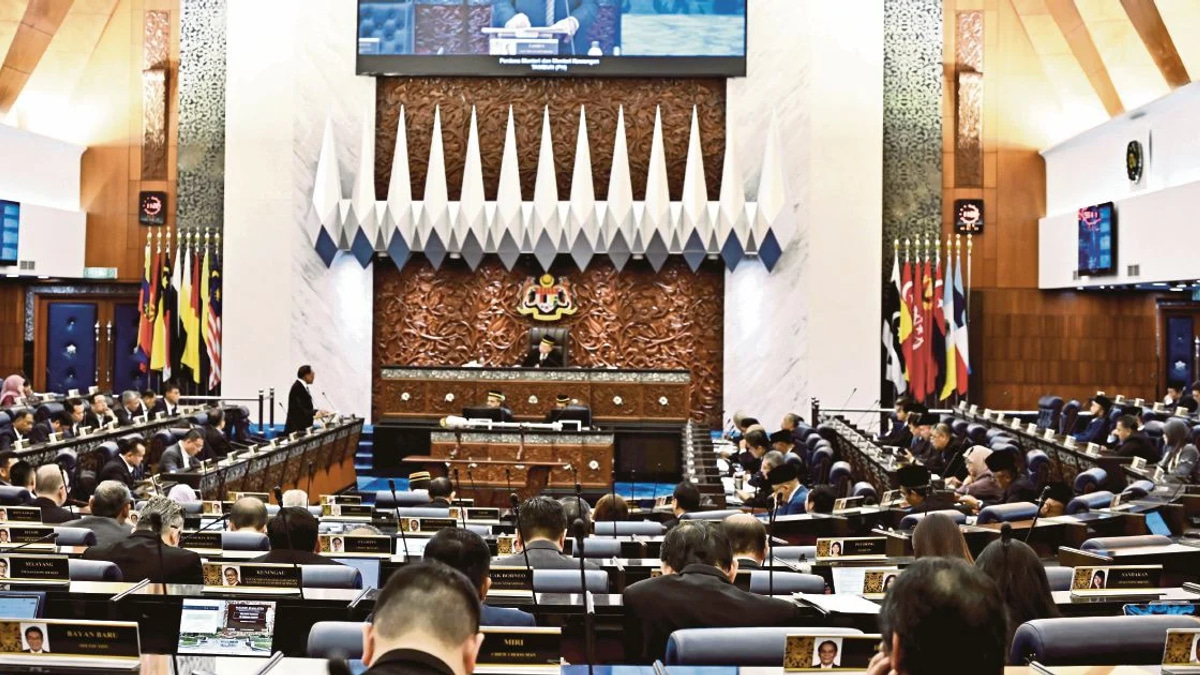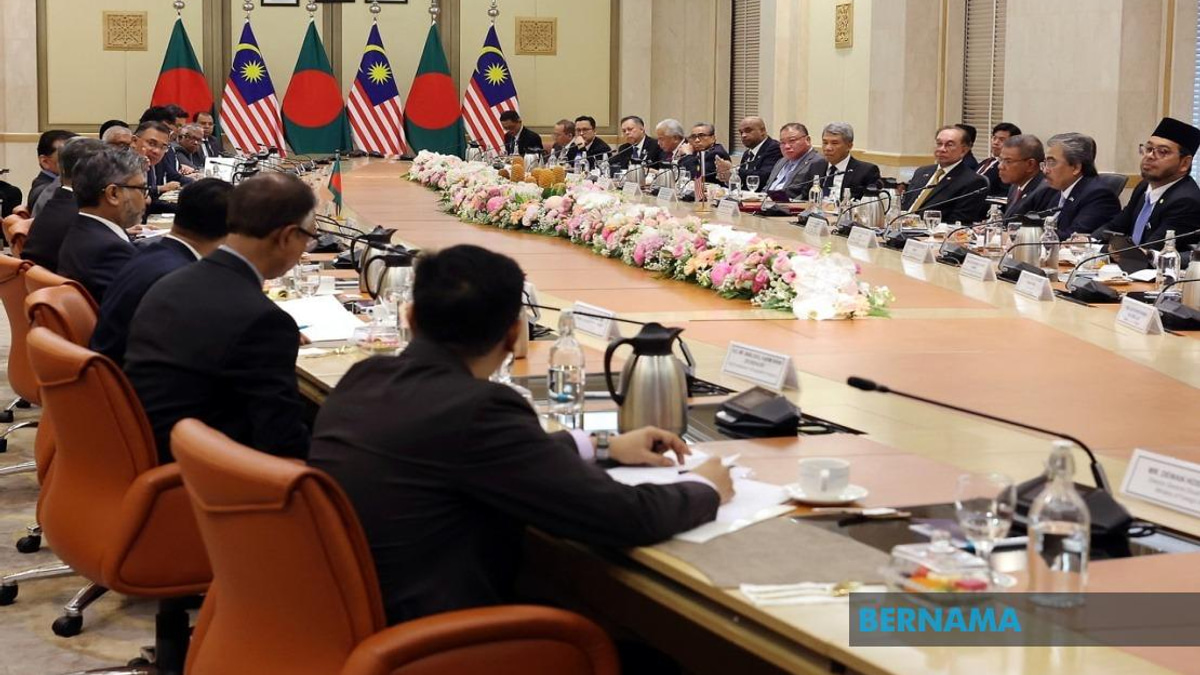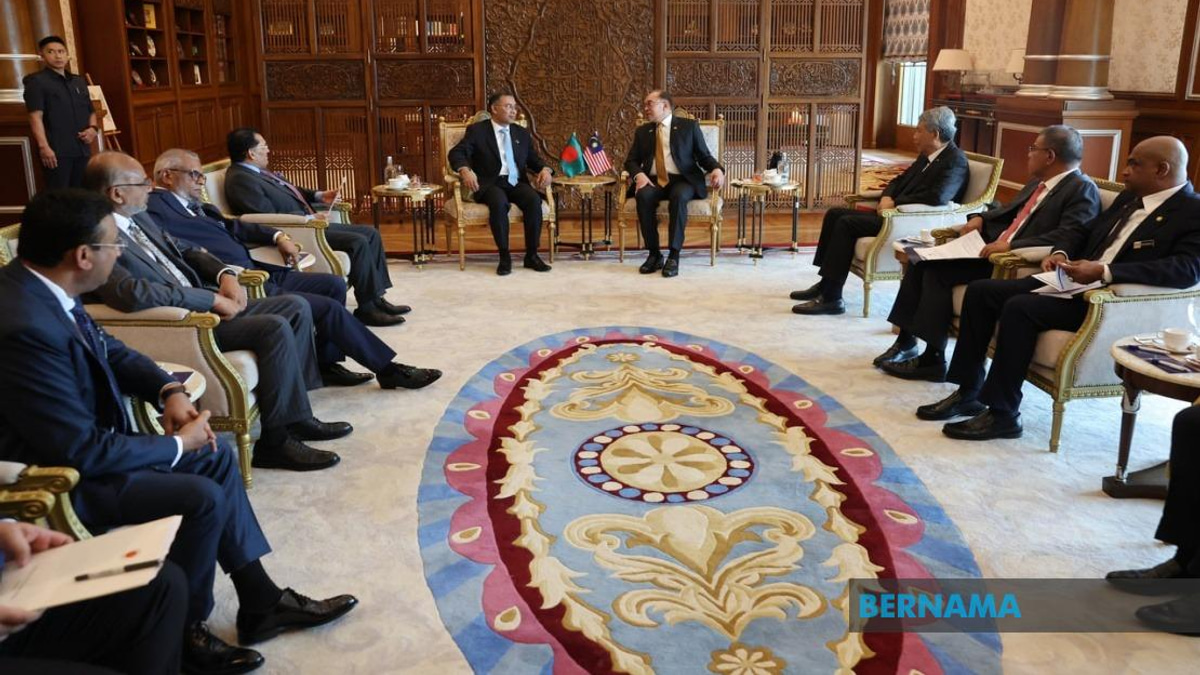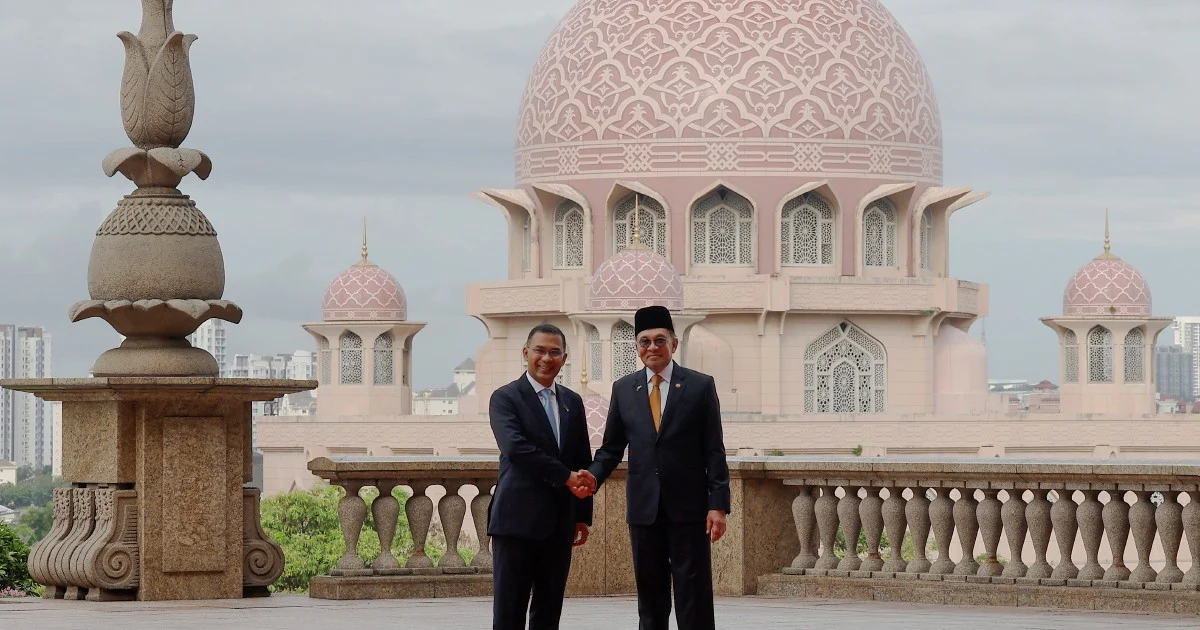
Prime Minister Anwar Ibrahim welcomed Bangladesh Prime Minister Tarique Rahman to Malaysia with full ceremonial honours at the Perdana Putra Complex in Putrajaya, marking the opening of what is expected to be a diplomatically significant two-day visit. The official reception underscores the importance both nations place on strengthening bilateral relations during a period of considerable political transition in South Asia. Rahman's journey to Malaysia represents an early international engagement for the newly-formed Bangladesh administration and reflects the country's commitment to maintaining regional connectivity despite ongoing domestic changes.
The formal reception at Malaysia's administrative heart signals the diplomatic weight attached to the visit. Perdana Putra, the seat of the Malaysian Prime Minister's office, provides the appropriate venue for high-level state interactions, emphasising that discussions between Rahman and Anwar are positioned as significant bilateral matters. The choice of location and ceremonial protocol typically indicates that substantive policy dialogue on regional and bilateral matters is expected to feature prominently during the two days.
Bangladesh has undergone notable political transformation in recent months, and Rahman's tenure as Prime Minister represents a fresh chapter in the nation's governance. This visit provides an opportunity to reset and refresh diplomatic relations with one of Southeast Asia's closest economic and cultural partners. For Malaysia, engaging with Bangladesh's new leadership offers a chance to deepen cooperation frameworks that have evolved over decades of bilateral relations.
The two nations share significant historical, economic, and people-to-people linkages. Bangladesh represents an important trading partner for Malaysia, with considerable investment flows in sectors ranging from manufacturing to services. Meanwhile, Malaysia serves as a significant destination for Bangladeshi professionals, workers, and students, creating enduring ties beyond mere governmental channels. These multifaceted connections provide a solid foundation for political dialogue and policy coordination.
Regional stability and maritime security likely feature among the topics for discussion, given both nations' positions in the Indian Ocean and broader Indo-Pacific context. Malaysia's growing diplomatic activism in regional affairs and Bangladesh's strategic location at the intersection of South Asia and Southeast Asia make cooperation on security matters mutually beneficial. Both countries face shared challenges including transnational crime, piracy concerns, and climate change impacts on maritime zones.
Economic cooperation will almost certainly dominate the bilateral agenda. Bangladesh's growing manufacturing sector and Malaysia's advanced economy present complementary opportunities for increased trade and investment. Discussions may cover potential expansion of commercial ties, investment protections, and industry-specific collaborations, particularly in sectors where each nation possesses competitive advantages or technological expertise.
Cultural and educational exchanges represent another pillar of Malaysia-Bangladesh relations worthy of exploration during this visit. The significant Bangladeshi diaspora in Malaysia has fostered grassroots connections that governmental programmes can amplify. Academic partnerships, scholarships, and cultural initiatives serve not only to strengthen official relations but also to deepen mutual understanding among ordinary citizens of both countries.
For Malaysia's government, the reception of Bangladesh's Prime Minister fits within the broader pattern of active diplomatic engagement pursued by the Anwar administration. Malaysia has positioned itself as a constructive voice in regional and international forums, and hosting significant state visits demonstrates the country's diplomatic standing and influence. The visit also provides Malaysia an opportunity to articulate its positions on regional matters and to coordinate approaches with a fellow developing nation facing comparable governance challenges.
The timing of Rahman's visit may also reflect Bangladesh's effort to broaden its international engagement following recent political developments. By reaching out to key regional partners early in the administration's tenure, Bangladesh signals stability and a commitment to maintaining existing partnerships while potentially negotiating new arrangements. For Malaysia, such timing offers advantages in shaping the trajectory of future bilateral cooperation.
Both nations stand to benefit from deepened cooperation on climate adaptation and environmental sustainability, areas where developing economies in the region face mounting pressures. Bangladesh, particularly vulnerable to climate change impacts given its geography and population density, has developed considerable expertise in adaptation strategies that Malaysia might learn from and potentially support through technology transfer or capacity-building initiatives.
The visit also occurs against the backdrop of broader regional geopolitical considerations, where both Malaysia and Bangladesh maintain careful balances in their international relations. Malaysia's efforts to maintain equidistant relationships with major powers while prioritising ASEAN and regional unity find resonance with Bangladesh's similar diplomatic positioning. Such alignment on strategic principles can facilitate productive dialogue on regional security architecture and development partnerships.
During the two-day visit, Anwar and Rahman are expected to explore mechanisms for enhancing cooperation across multiple sectors including trade, investment, defence and security, education, and cultural affairs. The substance of discussions will likely extend beyond ceremonial pleasantries to encompass concrete measures for advancing shared interests and addressing mutual concerns. Such visits, when substantive engagement occurs, can establish the foundation for enduring partnership benefiting both populations.