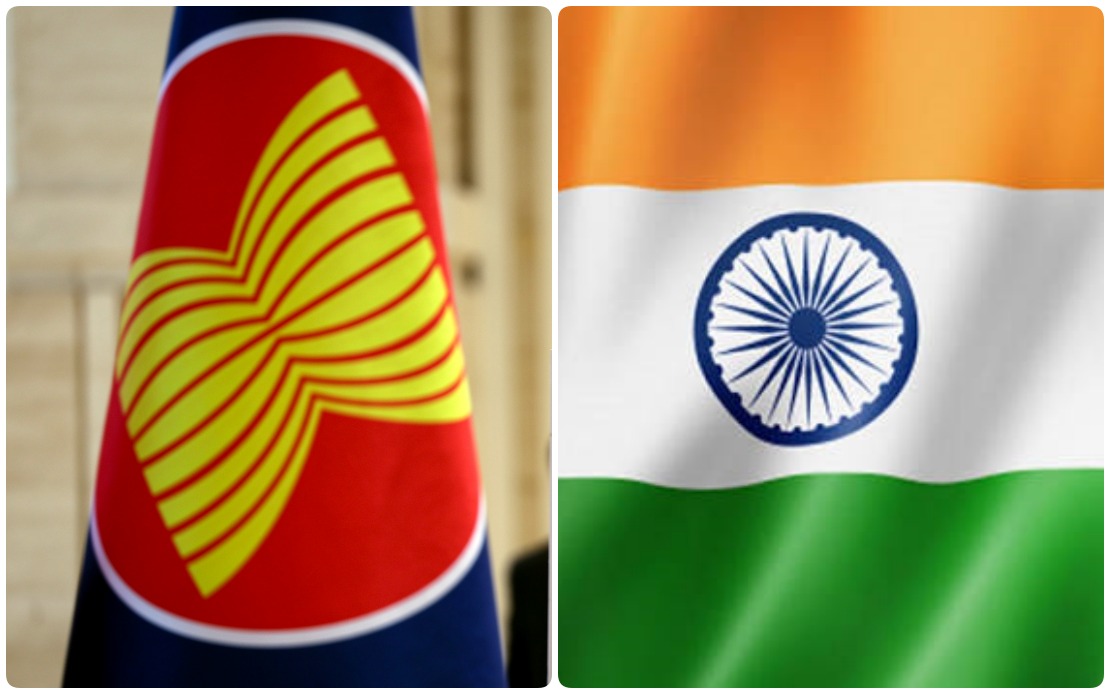
Foreign ministers from ASEAN member states and India gathered in Manila this week to reaffirm their strategic partnership, signalling renewed determination to deepen cooperation across multiple domains as both regions navigate an increasingly volatile international environment. The discussions, held during the Post-Ministerial Conference of the 59th ASEAN Foreign Ministers' Meeting, reflected broader efforts to anchor the ASEAN-India relationship as a stabilising force in regional and global affairs.
Philippine Foreign Affairs Secretary Theresa P. Lazaro underscored the maturity of the partnership, which has evolved significantly since diplomatic relations were formally established three and a half decades ago. The elevation of ties to comprehensive strategic partnership status in 2022 marked a critical juncture, transforming what had been a developing association into a relationship grounded in recognition of shared challenges and mutual aspirations. For Malaysia and other Southeast Asian nations, this elevation carries implications for how ASEAN collectively engages with major powers, particularly India's growing influence in regional economic and security architecture.
The emphasis on tourism and cultural exchanges reflects a softer dimension of the partnership that often receives less attention than security or trade concerns. The ASEAN Tourism Year initiatives, alongside planned activities under the ASEAN Year of Maritime Cooperation, represent attempts to build people-to-people connections that can sustain diplomatic relationships during periods of political friction. For Malaysia's tourism and hospitality sectors, such initiatives create tangible opportunities for business expansion and workforce development across the Southeast Asian region.
Maritime cooperation emerged as a central theme in discussions, with plans to establish 2026 as the ASEAN-India Year of Maritime Cooperation. This designation carries particular significance for Southeast Asian economies heavily dependent on sea routes and maritime resources. The agenda encompasses an ambitious range of initiatives, from workshops and training programmes to capacity-building efforts in specialised areas including marine bioprospecting, ocean engineering and marine energy. These technical collaborations could accelerate technology transfer and knowledge sharing beneficial to Malaysia's maritime industries and blue economy ambitions.
India's External Affairs Minister Subrahmanyam Jaishankar articulated a clear rationale for deepening the partnership, pointing to mounting global pressures that no single nation can address independently. Energy security, food security and health security have moved to the forefront of international concerns, particularly as pandemic-related disruptions continue affecting global supply chains. For Malaysia, caught between major power competition and dependent on stable energy imports, India's perspective on these shared vulnerabilities resonates with domestic policy imperatives.
The question of maritime security and international law loomed large throughout the ministerial discussions, though both sides avoided explicit references to contemporary regional tensions. Jaishankar's emphasis on respecting international law in maritime affairs served as an implicit acknowledgment of concerns affecting Southeast Asian nations, where competing territorial claims and freedom of navigation remain contentious issues. Malaysia's position as a maritime nation with its own navigational interests in critical waterways means that ASEAN's collective stance on these principles carries domestic political weight.
The framing of ASEAN-India relations as mutually beneficial partnerships between Global South nations suggests an emerging counterweight to traditional Western-dominated international frameworks. This positioning appeals to ASEAN governments seeking to expand their strategic options and reduce dependency on any single great power. India's rise as a major economic and military power offers Southeast Asian nations an alternative partner for defence cooperation, investment and technology exchange, thereby expanding the region's strategic autonomy.
Lazaro's description of the partnership as practical, people-oriented and results-focused addresses criticism that regional organisations often engage in rhetorical commitments without tangible outcomes. The specificity of proposed initiatives—marine bioprospecting workshops, maritime law enforcement training, blue economy ventures—suggests serious intent to move beyond ceremonial diplomatic exchanges. For Malaysian stakeholders in these sectors, such commitments represent concrete opportunities for participation and knowledge acquisition.
The timing of these reaffirmations carries geopolitical significance, occurring as regional anxieties about great power rivalry intensify. ASEAN nations, including Malaysia, have pursued a strategy of strategic ambiguity, maintaining relationships with multiple powers while avoiding forced alignment. India's demonstrated commitment to ASEAN cooperation, articulated through ministerial-level engagement and concrete initiatives, reinforces ASEAN's utility as a counterbalance to other regional powers.
Broader implications for Malaysian foreign policy emerge from this partnership trajectory. As India increasingly projects influence across Asia and the Indian Ocean, Southeast Asian nations benefit from channels enabling dialogue on security matters without formal alliance commitments. The emphasis on maritime cooperation particularly resonates given Malaysia's extensive maritime claims and interests in maintaining stable sea lanes critical to national economic prosperity.
Looking ahead, the momentum established through these discussions faces practical implementation challenges. Regional cooperation initiatives often encounter obstacles related to differing national priorities, resource constraints and competing agendas. Success will depend on whether ASEAN and India can translate ministerial-level commitments into sustained action at working levels, with dedicated funding and institutional mechanisms to drive initiatives forward.
The partnership's sustainability also hinges on managing expectations across diverse stakeholder groups. While governments emphasise strategic cooperation, private sector actors and civil society organisations will assess whether initiatives deliver tangible benefits. For Malaysia specifically, the success of tourism exchanges and maritime cooperation projects will ultimately influence broader public and business support for deepened ASEAN-India engagement.

