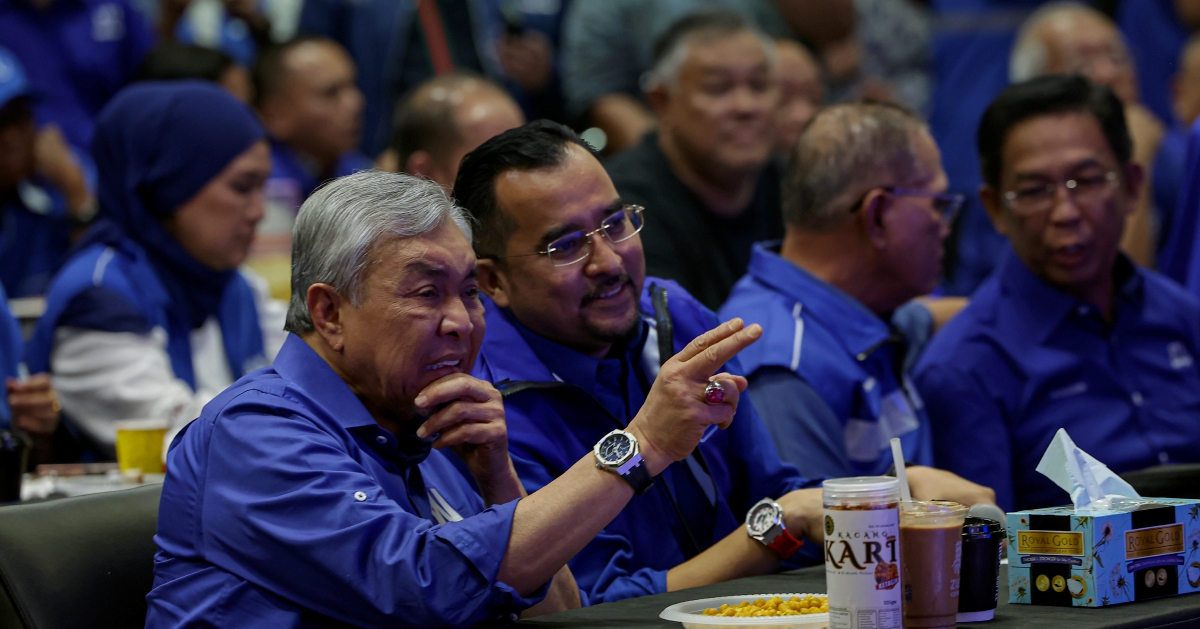
Umno secretary-general Datuk Dr Asyraf Wajdi Dusuki has used Barisan Nasional's electoral success in Negri Sembilan as an opportunity to impart a critical lesson to the party's membership and grassroots supporters: the importance of remaining grounded and measured in the aftermath of political victory. His warning carries particular weight given Umno's tumultuous history over the past decade, marked by successive electoral defeats and internal divisions that have fundamentally reshaped Malaysia's political landscape.
The cautionary message reflects a mature understanding of how electoral victories can breed complacency and overconfidence within political organizations. Asyraf's emphasis on humility suggests a deliberate pivot away from the triumphalism that has historically characterised Umno's approach following poll successes. This shift in messaging represents an attempt to instil institutional discipline and remind the party that electoral mandates are conditional, temporary grants of power that must be wielded responsibly and delivered upon through effective governance.
For Malaysian voters and political observers, the timing of such warnings from senior Umno figures is significant. The party has endured profound electoral setbacks in recent years, including its loss of federal power in 2018 and subsequent defeats in key state contests. Each reversal has been accompanied by public introspection about the causes of decline, yet Umno has also been vulnerable to the cyclical pattern of regaining confidence too quickly after partial recoveries. Asyraf's intervention suggests party leadership recognizes this vulnerability and is attempting to counteract it through internal communication.
The Negri Sembilan victory provides Barisan Nasional with a visible marker of political relevance in a context where the coalition has faced sustained challenges to its dominance. However, the scale of the state's electorate and its positioning within Malaysia's political geography means that success there, while important, should not be misconstrued as indicative of broader national trends. This distinction may inform Asyraf's push for measured responses to the result, as overinterpreting a state-level win could lead to strategic miscalculations affecting national politics.
Historically, Umno has struggled with the temptation to interpret electoral gains as vindication of all party positions and leadership decisions. Following victories, the party has sometimes doubled down on policies or approaches that contributed to earlier defeats, creating a cycle of strategic error. Asyraf's current emphasis on restraint and humility represents an attempt to break this pattern by institutionalizing reflection and preventing triumphalist narratives from crowding out critical analysis.
The broader context for Asyraf's message involves the complex dynamics of Malaysian coalition politics. Barisan Nasional must maintain coherence across multiple component parties and diverse geographic constituencies while competing against Pakatan Harapan and other political formations. A coalition-wide descent into overconfidence following any single electoral success could undermine the careful management of intra-coalition relationships and complicate Barisan's positioning ahead of future contests, including the next general election.
For Umno specifically, the challenge involves rebuilding organizational capacity and grassroots morale without losing sight of the deficiencies that contributed to the party's decline. Members and supporters who have endured years of electoral defeats and internal turmoil are understandably eager to celebrate positive developments. Channeling that enthusiasm productively while maintaining vigilance against past pitfalls requires the kind of leadership message Asyraf is attempting to deliver—one that validates success without surrendering critical perspective.
Regional implications extend beyond Malaysia's borders, as Umno's political fortunes have historically influenced broader Southeast Asian political dynamics. The party's ability to govern effectively, maintain cohesion, and implement policies impacts not only Malaysian citizens but also the region's economic and geopolitical stability. Asyraf's emphasis on responsible stewardship of electoral mandates therefore carries significance beyond party management, touching on broader questions about governance quality and political accountability.
The secretary-general's cautionary approach also reflects awareness that electoral victories can paradoxically create new vulnerabilities. When parties relax discipline and permit internal factionalism to resurface, they frequently squander political capital and disappoint voters who granted them mandates for specific purposes. Asyraf's message implicitly acknowledges that the real work of justifying electoral support occurs after votes are counted, requiring disciplined implementation of policy commitments rather than celebration of the victory itself.
Moving forward, whether Umno's membership heeds such warnings will significantly influence the party's trajectory. The contradiction between leadership calls for humility and pressure from activists and members seeking recognition of their efforts through resource allocation and position distribution often creates tension. Successfully navigating this dynamic while maintaining the electoral discipline necessary for longer-term competitive advantage represents perhaps the most immediate test facing Umno's senior leadership.

