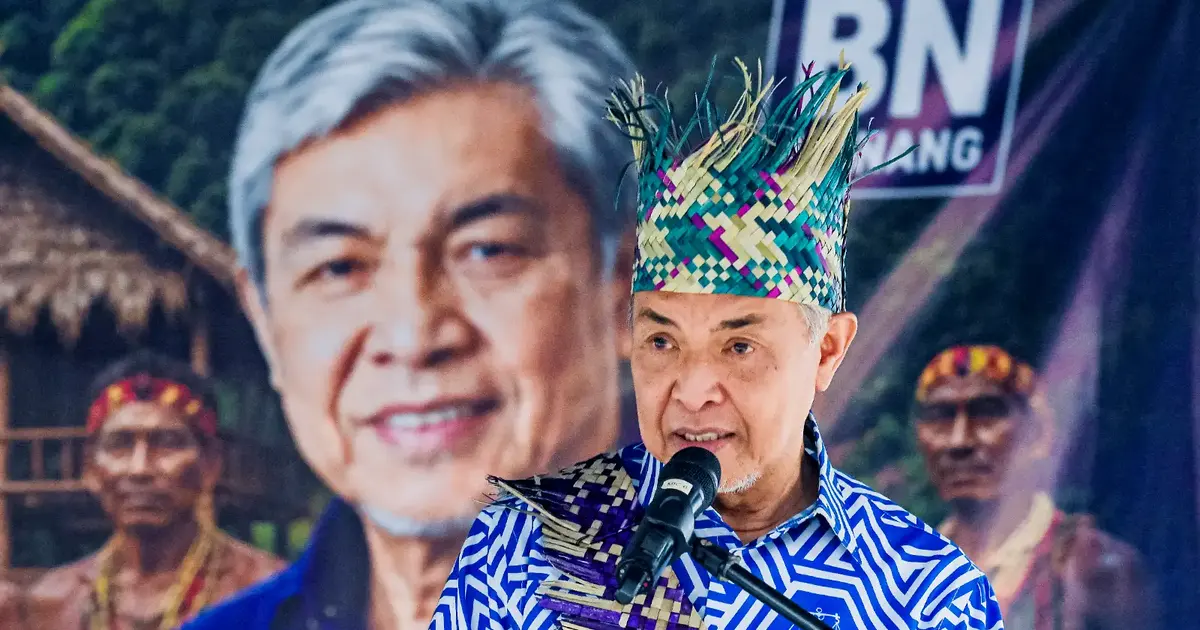
Barisan Nasional has committed to establishing a dedicated officer position to oversee indigenous Orang Asli affairs in Negeri Sembilan should the coalition be returned to government following the next general election. The announcement, made by coalition chairman Ahmad Zahid Hamidi, signals a strategic focus on indigenous community engagement as BN seeks to strengthen its political standing in the state ahead of polling day.
The proposed appointment would be housed directly within the office of the Negeri Sembilan menteri besar, positioning it at the highest tier of state administration. This placement underscores BN's intention to elevate indigenous affairs from peripheral administrative units to a prominent position in state governance, ensuring the officer would have direct access to the chief minister and influence over policy direction affecting the Orang Asli population.
According to Zahid Hamidi, the implementation of this new post could proceed through existing administrative mechanisms rather than requiring extensive legislative amendments or lengthy bureaucratic restructuring. This suggests BN views the initiative as feasible within the current constitutional and administrative framework governing Negeri Sembilan, thereby accelerating its potential rollout should the coalition secure electoral victory in the state.
The pledge reflects broader recognition among Malaysian political parties of the need to address longstanding grievances within indigenous communities. The Orang Asli, numbering approximately 180,000 individuals across Peninsular Malaysia, have historically experienced marginalisation in land rights, educational access, and economic opportunities. Negeri Sembilan is home to several Orang Asli settlements, particularly in districts such as Jelebu and Jempul, making indigenous affairs a relevant electoral consideration in the state.
BN's focus on this demographic arrives amid intensifying political competition for indigenous voter support. Various political coalitions have increasingly recognised the electoral significance of Orang Asli constituencies and the importance of demonstrating tangible commitments to addressing community-specific challenges. By proposing a dedicated administrative position, BN aims to differentiate itself through institutional commitment rather than rhetoric alone.
The creation of a specialised officer role could potentially improve coordination between state government initiatives and Orang Asli community priorities. Such a position might facilitate more responsive grievance mechanisms, enable better targeting of development programmes, and ensure indigenous perspectives inform policy-making across multiple state departments. However, the effectiveness of such arrangements depends substantially on adequate resource allocation and the officer's genuine authority within the administrative hierarchy.
Historically, indigenous affairs in Malaysian states have operated through various institutional arrangements, ranging from dedicated departments to committees within existing structures. The quality of outcomes has varied considerably depending on funding levels, political priority, and bureaucratic integration. BN's proposal must be evaluated against this mixed record, particularly regarding whether a single officer position can meaningfully address systemic challenges affecting Orang Asli communities across Negeri Sembilan.
The electoral context for this announcement is significant. Negeri Sembilan has become increasingly contested territory in Malaysian politics, with BN facing competition from Pakatan Harapan and other political forces. Indigenous communities, while numerically limited, can influence outcomes in specific constituencies and contribute to overall state-level support calculations. Positioning indigenous affairs prominently within potential governance structures suggests BN recognises this electoral mathematics.
Implementation timelines and funding mechanisms for the proposed officer position remain unclear. BN has not detailed the recruitment process, qualifications required, operational budget, or specific mandates the officer would address. These details will be crucial for assessing whether the pledge represents substantive policy innovation or primarily electoral positioning. Malaysian voters will likely scrutinise BN's track record on similar commitments before determining credibility.
The appointment, if realised, would follow broader regional and international trends toward institutionalising indigenous affairs within government structures. Several Southeast Asian nations have established dedicated indigenous affairs portfolios or inter-agency coordination bodies, reflecting global recognition that indigenous populations require targeted policy attention. Malaysia's comparative approach to indigenous governance remains underdeveloped relative to some regional counterparts, suggesting room for institutional innovation.
For Orang Asli communities in Negeri Sembilan specifically, the pledge offers potential opportunities for improved government engagement but warrants careful examination of implementation details. Effectiveness would ultimately depend on the officer's seniority, reporting lines, resource access, and authority to influence state policies affecting indigenous land rights, education, health, and economic participation—the core issues motivating community demands for better government responsiveness.
As Negeri Sembilan moves toward the next electoral cycle, indigenous affairs will likely remain contested political terrain. BN's commitment to a dedicated officer position represents one approach to addressing community concerns, though voters must assess whether institutional reforms alone can meaningfully reverse decades of marginalisation or whether more comprehensive policy reorientation is necessary to achieve substantive improvements in Orang Asli welfare and rights.

