Beijing authorities have exposed a sophisticated fraud operation targeting vulnerable seniors, arresting more than 30 suspects involved in a health centre scheme that swindled over 100 elderly people out of more than 10 million yuan, equivalent to US$1.5 million. The operation relied on psychological manipulation, fake medical expertise, and a remarkably simple deception: adding dark soy sauce to intestinal cleansing liquids to create the illusion of bodily toxins being expelled. The investigation began when the family of a woman surnamed Li discovered she had spent 700,000 yuan—approximately US$103,000—at the facility, prompting authorities to unravel what emerged as a coordinated, multi-location fraud network.
The operational sophistication of this scam reveals how organised criminals have adapted predatory tactics to exploit an increasingly vulnerable demographic in China. The health centre's total turnover exceeded 30 million yuan, or US$4.5 million, with individual victims losing staggering sums. One elderly person alone surrendered more than two million yuan, approximately US$295,000, demonstrating the scale of financial devastation. What began as Li purchasing an inexpensive 38-yuan foot massage voucher evolved into endless sessions of expensive treatments, each costing tens of thousands of yuan. When her finances depleted, clinic staff reportedly pressured her to pawn her golden bracelet, with callous statements such as "If your illness cannot be treated, what do you need money for?"—a psychological tactic designed to override the victim's remaining financial caution.
The scam's success depended fundamentally on understanding the emotional vulnerabilities of its targets. Police investigations revealed that the operation deliberately targeted affluent seniors living alone or experiencing emotional isolation despite having children. Staff employed calculated relationship-building strategies, remembering birthdays and extending what appeared to be genuine care—often exceeding the attention victims received from their own families. This emotional grooming created psychological dependence, making victims reluctant to question recommendations or recognise exploitation. The perpetrators actively recruited victims through free consultations at senior centres and gathering places, presenting themselves as medical experts offering authoritative health assessments.
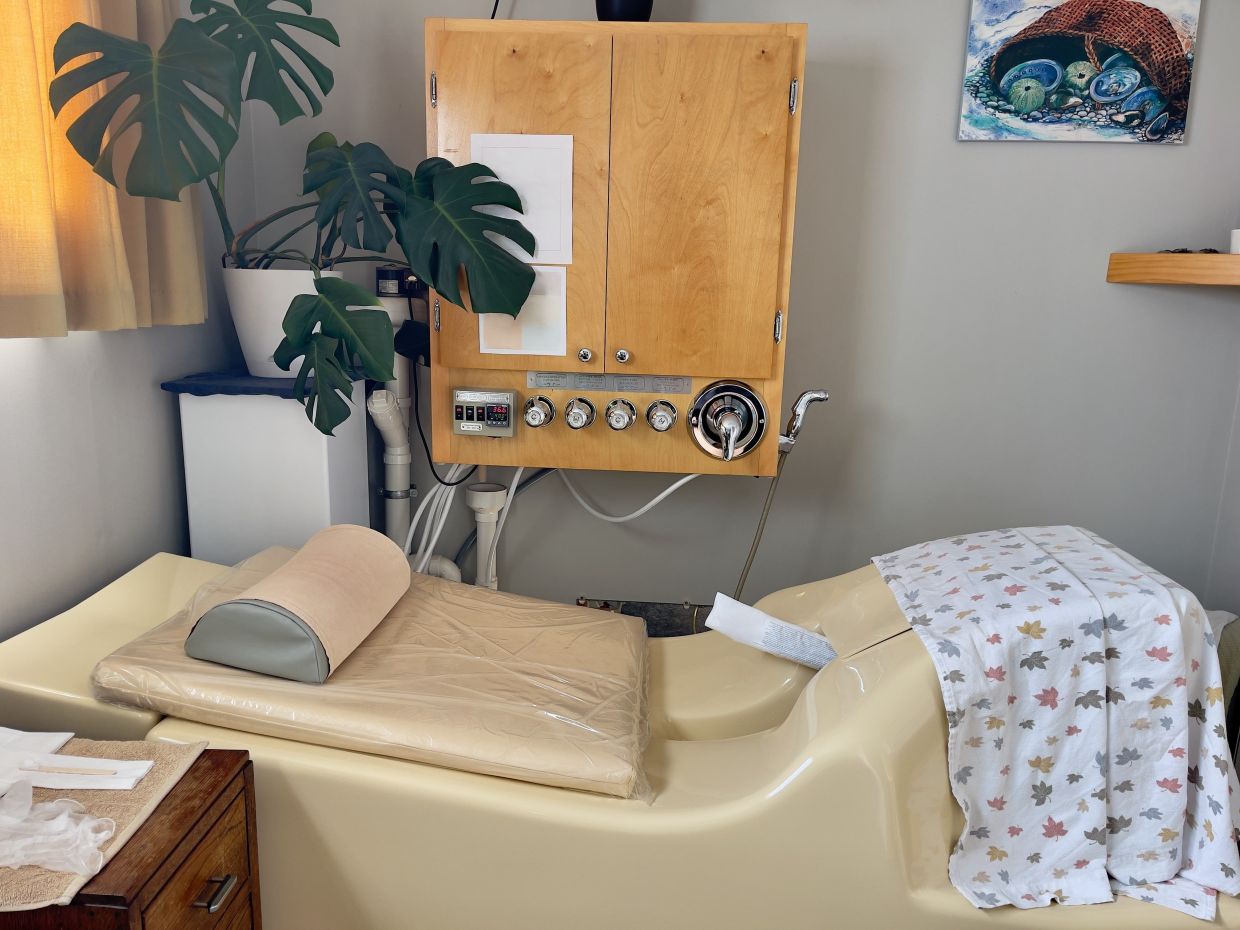
The fake medical procedures formed the centrepiece of the deception. Staff would perform intestinal cleansing treatments and deliberately add dark soy sauce—a common Chinese culinary ingredient—to the liquid waste output. The darkened discharge was then presented to seniors as evidence of dangerous bodily toxins, justifying the need for prolonged, expensive treatment regimens. This crude but effective visual manipulation exploited the elderly victims' limited medical knowledge and natural health anxieties. By creating apparently objective evidence of illness, the perpetrators overcame scepticism and motivated victims to continue spending money on further treatments, ensnaring them in a cycle of dependency.
The geographic scope of the operation amplified its criminal reach. Police discovered that more than 20 establishments operated as fake health centres across multiple Beijing districts, suggesting a coordinated franchise-style network rather than isolated incidents. This distributed approach allowed the operation to prey on large numbers of seniors simultaneously while complicating law enforcement detection. The scale indicates careful planning by experienced fraudsters who understood how to operate across jurisdictions and shield individual locations from scrutiny.
China's demographic reality provides crucial context for understanding why such schemes flourish. By the end of 2025, the country counted 323 million people aged 60 and above, representing 23 percent of the total population. Among this elderly population, approximately 60 percent are classified as empty-nesters—seniors without children or whose children live separately. This vast pool of economically stable, emotionally isolated seniors creates exactly the conditions fraudsters exploit. The combination of accumulated savings, limited social connections, and reduced family supervision leaves many vulnerable to coordinated predatory tactics.
The psychological dimension of this fraud extends beyond simple financial exploitation. Victims were deliberately made to feel that only the clinic understood their health concerns and could provide necessary treatment. By emphasising care and attention while simultaneously diagnosing frightening conditions, operators ensured victims felt dependent on the facility rather than their families or conventional medical institutions. This manipulation proved particularly effective because it aligned with genuine feelings of abandonment or neglect some elderly individuals experience within modern Chinese society, where geographic mobility for economic opportunity has fractured traditional family structures.
For Malaysian readers, this case carries particular relevance given Southeast Asia's rapidly ageing populations and similar demographic trends toward smaller family sizes and increased urban migration. The tactics exposed in Beijing—emotional manipulation, fraudulent medical procedures, and exploitation of emotional isolation—represent warning signs applicable across the region. Malaysia's own elderly population, estimated at over 2.6 million people, faces comparable vulnerabilities. Local regulators and community organisations should strengthen oversight of health and wellness facilities, particularly those targeting seniors, while public awareness campaigns should educate elderly citizens about recognising predatory tactics and verifying medical credentials.
The incident also highlights systemic gaps in consumer protection and health facility regulation. Fraudulent operators maintained operations across multiple locations for extended periods before detection, suggesting inadequate licensing oversight or inspection protocols. More rigorous monitoring of financial transactions at health facilities, combined with mandatory credential verification for medical practitioners, could prevent similar schemes. Additionally, family members and social services must recognise that emotional manipulation and gradual financial extraction are hallmarks of elder abuse requiring intervention.
Authorities and observers emphasise that this case represents only the exposed portion of a broader problem. As one online commentator noted, numerous health centres throughout urban China continue operating similar schemes, distributing free gifts and offering false medical consultations to vulnerable seniors. The industry requires urgent, comprehensive supervision to prevent further exploitation. This extends beyond Beijing, affecting seniors across numerous Chinese cities where similar conditions prevail.
The investigation underscores that elder fraud succeeds not through technical sophistication but through exploitation of human vulnerabilities—isolation, health anxiety, and desire for genuine care and attention. Addressing such crimes requires not only law enforcement action but also societal changes that reduce elderly isolation, strengthen community support systems, and enhance regulatory frameworks protecting vulnerable populations. The case serves as a sobering reminder that in rapidly ageing societies across Asia, criminal networks will continue targeting seniors unless comprehensive protective measures address both the regulatory environment and the underlying social conditions that enable such exploitation.
%22%2F%3E%3C%2Fpattern%3E%3C%2Fdefs%3E%3Crect%20width%3D%22100%25%22%20height%3D%22100%25%22%20fill%3D%22url(%23ph2fc1ig)%22%2F%3E%3Crect%20width%3D%22100%25%22%20height%3D%22100%25%22%20fill%3D%22url(%23ph2fc1ip)%22%2F%3E%3Ctext%20x%3D%2250%25%22%20y%3D%2250%25%22%20text-anchor%3D%22middle%22%20dominant-baseline%3D%22central%22%20fill%3D%22rgba(255%2C255%2C255%2C0.95)%22%20font-family%3D%22Georgia%2C%20'Times%20New%20Roman'%2C%20serif%22%20font-weight%3D%22700%22%20font-size%3D%22320%22%20letter-spacing%3D%22-0.02em%22%3EMOH%3C%2Ftext%3E%3C%2Fsvg%3E)