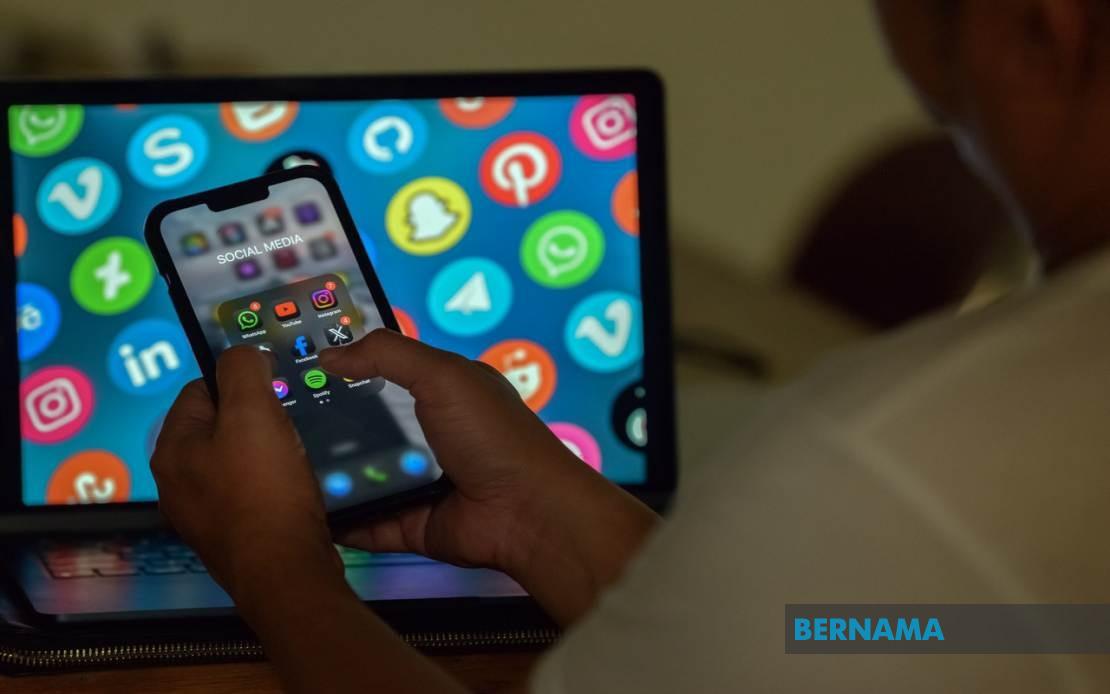
The upcoming Negeri Sembilan state election on August 1 is shaping up as a distinctly digital affair, with candidates from all three major political coalitions abandoning traditional campaign methods in favour of an aggressive social media push designed to reach the state's 889,490 registered voters. From Pakatan Harapan and Barisan Nasional to Perikatan Nasional, political operatives recognise that winning hearts and minds in 2024 demands a presence across multiple online platforms, each carefully calibrated to speak to specific voting demographics with tailored content and messaging strategies.
The shift towards digital campaigning reflects a fundamental reorientation of how Malaysian politicians engage with the electorate. While physical walkabouts and traditional campaign material distribution remain part of the electoral toolkit, social media has emerged as the primary battleground for voter attention. The major parties are deploying coordinated strategies across Facebook, YouTube, TikTok, Instagram and Threads, effectively creating parallel campaign universes that operate according to the logic and norms of each platform rather than imposing a one-size-fits-all message across digital channels.
This segmented approach acknowledges a crucial reality about Malaysian voter demographics: age remains a powerful predictor of platform preference and media consumption habits. Candidates have observed that older voters, including Baby Boomers and Generation X, concentrate their online activity on Facebook and YouTube, where longer-form content and established social networks facilitate engagement. Middle-aged voters and Millennials similarly cluster on these platforms, though with growing crossover to Instagram and other channels. The strategy therefore allocates resources accordingly, ensuring that messages reaching these cohorts appear in the environments where they already spend considerable time.
Meanwhile, Generation Z voters—often dismissed by traditional politicians as politically disengaged—are being actively courted through TikTok, Instagram Reels and Threads, where short-form, visually-driven content dominates. This represents a significant departure from conventional political messaging, which typically relies on prepared speeches, policy documents and formal pronouncements. Instead, candidates are experimenting with Point of View clips, trending audio formats, behind-the-scenes content and casual, unscripted appearances that signal authenticity and approachability to younger audiences. The effectiveness of this approach in driving actual voter turnout among youth remains to be seen, but the tactical investment suggests parties believe digital-first strategies hold genuine electoral value.
Menteri Besar Aminuddin Harun, the Pakatan Harapan candidate for Linggi, exemplifies this new campaign style. His social media presence focuses on mundane but relatable activities—performing dawn prayers, sharing breakfast with residents, conducting constituency visits by motorcycle—that humanise him beyond his official role. These posts function as implicit endorsements of his accessibility and commitment to grassroots engagement. The accompanying messaging emphasises the Pakatan Harapan government's track record and appeals to voter desires for stability, though delivered through personal anecdotes and lifestyle content rather than policy exposition. This represents a conscious calculation that emotional resonance and personal brand cultivation now outweigh detailed policy discussion in capturing voter attention.
Other Pakatan Harapan candidates have adopted similar but distinct approaches. Ahmad Shahir Mohd Shah, popularly known as Ustaz Shahir and contesting the Paroi seat, has built his campaign around a vision for economic development and prosperity in his constituency, distributing this message across multiple digital channels to create redundancy and reach. Dr Azizul Hakim Mahdi, the Rantau candidate and a medical professional, has distinguished himself by offering free health screenings for senior citizens as part of his campaign activities, publicising these events through social media to demonstrate both community service and professional credibility. This strategy—combining visible policy action with digital documentation—suggests candidates understand that social media content gains authenticity and persuasive power when it documents real activities rather than consisting purely of political rhetoric.
Barisan Nasional candidates have not ceded digital terrain to their rivals. Datuk Seri Mohamad Hasan, contesting Rantau under the BN banner, and Datuk Seri Jalaluddin Alias, the BN nominee for Pertang, have similarly embraced social media to showcase campaign activities and foster direct voter communication. The ruling coalition's approach mirrors that of Pakatan Harapan in emphasising visual documentation and regular updates, suggesting convergence around best practices for digital political engagement. This uniformity across party lines indicates that candidates across the political spectrum have reached consensus about what works in online campaigning, at least in terms of basic format and frequency of posting.
Perikatan Nasional parties, including Bersatu, alongside smaller parties like Parti Orang Asli Malaysia, Parti Sosialis Malaysia and Barisan Jemaah Islamiah Se-Malaysia, have similarly mobilised social media resources. Independent candidates too have recognised the necessity of digital engagement to compete against established party machines. The democratisation of campaign reach through social media—where a well-coordinated individual or small party can theoretically reach as many voters as a major coalition—has fundamentally altered electoral dynamics, potentially reducing the organisational advantage that traditionally favoured larger parties with deeper financial resources for traditional advertising and ground operations.
Infographics and visual data presentation have become standard campaign tools, particularly for communicating manifestos and policy positions in digestible formats suited to social media consumption. Rather than publishing lengthy policy documents, candidates distil their pledges into visually appealing graphics designed for sharing and viral potential. This approach reflects pragmatic recognition that social media algorithms reward engaging, shareable content while penalising walls of text and lengthy policy exposition. Candidates are effectively competing for algorithmic distribution by conforming to the platforms' native content preferences, transforming political communication in the process.
The campaign schedule—with early voting on July 28 and general polling on August 1—compresses the window for digital mobilisation, placing a premium on rapid response capacity and sustained posting frequency. Candidates maintaining active social media presences throughout the campaign period generate repeated touchpoints with voters, a form of cumulative persuasion that differs markedly from traditional media campaigns where message repetition depended on paid advertising budgets. This structural advantage accrues to candidates willing to invest time and resources in consistent digital engagement, creating incentives for personalised, authentic-seeming content even when orchestrated by professional campaign teams.
The emergence of social media as the primary campaign platform has implications extending beyond Negeri Sembilan. If the state election demonstrates that digital strategies effectively drive voter mobilisation and decision-making, the model will likely cascade to other electoral contests across Malaysia. Political parties will increasingly allocate campaign resources towards social media management, content creation and digital advertising rather than traditional methods. This shift carries both democratic and concerning dimensions: while social media theoretically democratises campaign reach and enables direct politician-voter communication bypassing traditional media gatekeepers, the dominance of platforms controlled by private corporations and algorithms opaque to public scrutiny introduces new dependencies and vulnerabilities into electoral processes.

