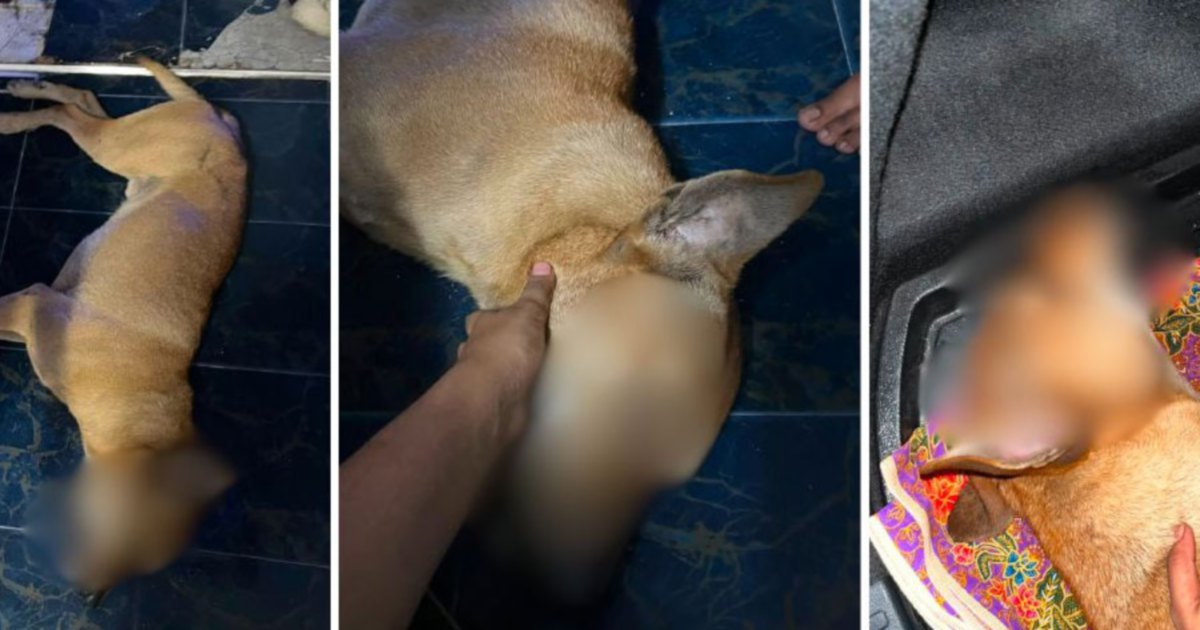
The Selangor Department of Veterinary Services (DVS) has escalated its response to allegations of animal abuse by filing an official police report and systematically gathering statements from multiple witnesses, marking a significant step in establishing accountability for the incident captured in widely-circulated video footage.
The case centres on Rocky, whose treatment in the video sparked widespread public concern and outrage across Malaysian social media platforms. The decision by DVS to file the police report signals that the department views the evidence serious enough to warrant criminal investigation, moving beyond routine administrative procedures into formal law enforcement channels. This shift indicates growing institutional scrutiny of the incident and suggests investigators have identified potentially actionable conduct.
The formal statement-recording process initiated by DVS represents a methodical approach to gathering evidence that may be crucial for any subsequent prosecution. By documenting accounts from various individuals connected to the case, the department is building a factual foundation that transcends hearsay or unverified claims circulating online. This investigative groundwork typically precedes formal charges and can determine whether authorities possess sufficient evidence to proceed with legal action.
The incident highlights broader concerns about animal welfare in Malaysia, where enforcement of animal protection laws has historically faced challenges due to limited resources and competing enforcement priorities. The DVS involvement, as the statutory body responsible for animal health and welfare in Selangor, underscores how such cases require coordination between veterinary authorities and police to adequately address both the medical and legal dimensions of alleged abuse.
Public sentiment regarding animal welfare has shifted notably in recent years, with Malaysian social media users increasingly documenting and reporting incidents of perceived mistreatment. This emerging culture of accountability, while sometimes prone to misidentification or premature judgement, has created pressure on authorities to respond visibly to credible allegations. The DVS action reflects this shifting landscape, where institutional inaction attracts reputational and political costs.
The video evidence itself carries particular investigative weight in modern animal abuse cases. Unlike complaints based solely on witness testimony, visual documentation provides objective proof of specific actions and conditions, making it substantially more difficult for accused parties to deny involvement or challenge the veracity of allegations. Investigators can analyse footage frame-by-frame to establish timelines, identify individuals, and document precise conduct in ways that pure verbal accounts cannot match.
The statement-recording process will likely encompass various categories of witnesses, ranging from those with direct knowledge of the incident to individuals who can provide context about the animal's care, environment, or condition before and after the alleged abuse. The comprehensiveness of this approach suggests DVS is treating the matter with appropriate seriousness and awareness that successful prosecution often depends on corroborating details rather than isolated testimony.
From a regional perspective, this case reflects Southeast Asia's gradual movement toward stricter animal welfare standards and enforcement. Countries like Thailand, the Philippines, and Indonesia have experienced similar high-profile incidents that prompted public mobilisation and institutional responses. Malaysia's approach here contributes to a broader regional conversation about the intersection of animal rights, cultural practices, and legal accountability.
The investigation's outcome carries implications beyond the immediate case. If DVS successfully prosecutes the responsible party, it would establish precedent for similar future cases and signal to the public that animal abuse allegations warrant serious legal consequences. Conversely, if evidence proves insufficient or the process stalls, it may reinforce public perceptions of enforcement inadequacy and dampen reporting of future incidents.
The involvement of the Selangor DVS also reflects Malaysia's federal structure, where veterinary services operate at state level. This creates a patchwork of enforcement capabilities and priorities across different states, with implications for consistency in animal welfare protection. Selangor's prominent response to this case may influence other states' approaches to similar incidents and potentially prompt discussions about standardised protocols across Malaysia.
For pet owners and animal welfare advocates, the DVS investigation represents a tangible response to public concern and demonstrates that documented evidence of abuse can trigger formal investigative machinery. This recognition may encourage more systematic reporting and documentation of suspected animal mistreatment, though it also carries risks of false accusations if people do not verify information before sharing allegations online.
The police report and statement-recording phase represents an intermediate stage in the justice process. Investigators must now determine whether collected evidence meets the threshold for criminal charges under relevant legislation, most likely the Animal Act 1953, which carries penalties including fines and imprisonment for proven cruelty. The statements recorded during this phase will form the foundation for any prosecution brief presented to the Attorney General's chambers.

