A 16-year-old female student has died at a school in Seremban, prompting Education Minister Fadhlina Sidek to issue an urgent appeal for public compassion and restraint. The tragedy occurred this morning and has triggered an ongoing police investigation into the circumstances surrounding the death. Fadhlina's intervention underscores the gravity of the incident and the ministry's commitment to supporting all those impacted by this unexpected loss.
In her public statement, Fadhlina expressed condolences to the student's family and extended prayers for the deceased. She invoked religious sentiment, seeking blessings for the girl's soul and requesting strength for relatives navigating what she characterised as an extraordinarily difficult period. The minister's tone reflected the sensitivity required when addressing school-based tragedies, particularly those involving minors, which often generate intense public scrutiny and emotional responses from communities.
The ministry has made clear its position of full cooperation with law enforcement authorities conducting the investigation. This stance signals that education officials will facilitate all necessary inquiries without obstruction, providing access to relevant documentation, witnesses, and school premises as required. Such transparency is crucial in building public confidence during investigations into deaths occurring within educational institutions, where parents and guardians naturally harbour heightened concerns about student safety and institutional accountability.
Beyond procedural cooperation, Fadhlina emphasised that her immediate priority centres on providing comprehensive assistance to the grieving family. This commitment extends to practical and emotional support mechanisms, reflecting an understanding that bereaved families face overwhelming demands at such moments. The ministry's role encompasses coordinating counselling services, facilitating communication with school administrators, and ensuring that family members receive necessary information throughout the investigative process.
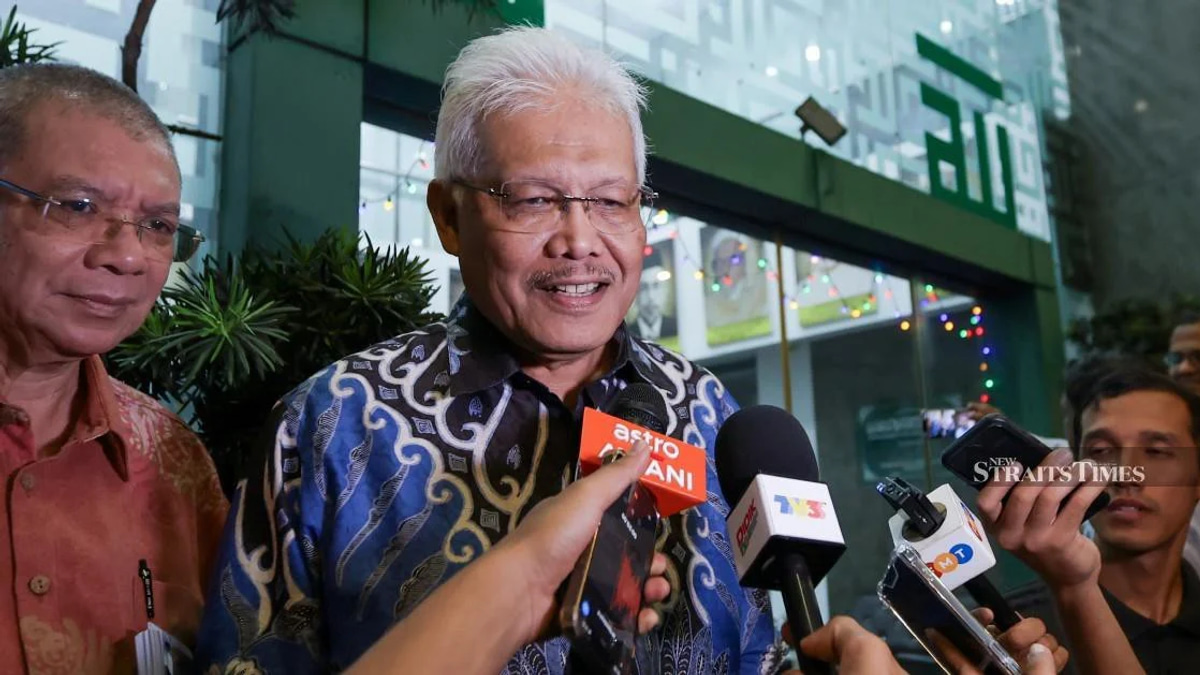
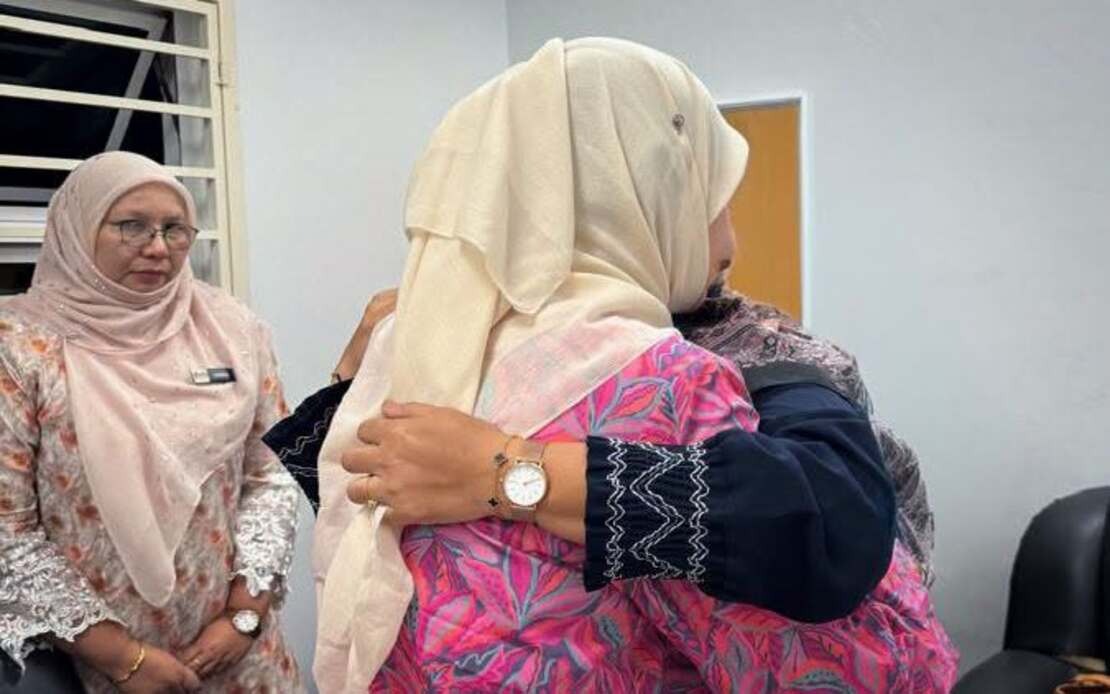
Fadhlina and Education Director-General Datuk Dr Mohd Azam Ahmad personally visited the student's family at Rembau Hospital, a gesture that demonstrates high-level institutional acknowledgment of the tragedy. Such visits serve multiple functions: they convey official respect and sympathy, provide families with direct access to senior leadership, and signal to the broader school community that the ministry takes such incidents with utmost seriousness. Personal engagement by top officials often helps families navigate the complex procedural landscape that typically follows unexpected deaths.
The call for public space and sensitivity carries particular importance in Malaysia's social media environment, where news of tragedies can spread rapidly with accompanying speculation, rumour, and sometimes invasive commentary. Fadhlina's appeal essentially requests that citizens exercise restraint in how they discuss the incident online and offline, avoiding sensationalism that could compound the family's grief. This reflects recognition that media narratives and public discourse surrounding school deaths can either facilitate healing or exacerbate trauma for affected families.
Student deaths in schools represent one of the most challenging situations educational systems face, combining legal, medical, pastoral, and public relations dimensions. The circumstances prompting this particular investigation remain undisclosed at this stage, but the involvement of police suggests that officials are treating the matter with appropriate rigour. Regardless of findings, such incidents typically prompt broader conversations within education communities about student welfare protocols, mental health support systems, and emergency response procedures.
For Malaysian schools and the education sector generally, this tragedy arrives amid ongoing discussions about student wellbeing and institutional safeguarding. School administrators, teachers, and counsellors will likely intensify focus on identifying struggling students and ensuring appropriate support networks exist. The incident underscores how quickly educational environments can confront crises that demand sophisticated institutional responses and genuine pastoral care extending beyond conventional academic functions.
The broader implications for Southeast Asian education systems include renewed attention to how schools identify and support at-risk students, how institutions communicate with families during crises, and how communities balance investigative processes with compassionate support for bereaved relatives. Each tragedy generates lessons that inform systemic improvements, though such improvements often emerge only through difficult experiences that institutions and families would prefer to avoid entirely. Fadhlina's ministry will likely use this incident to review protocols and enhance existing welfare frameworks across Malaysian schools.