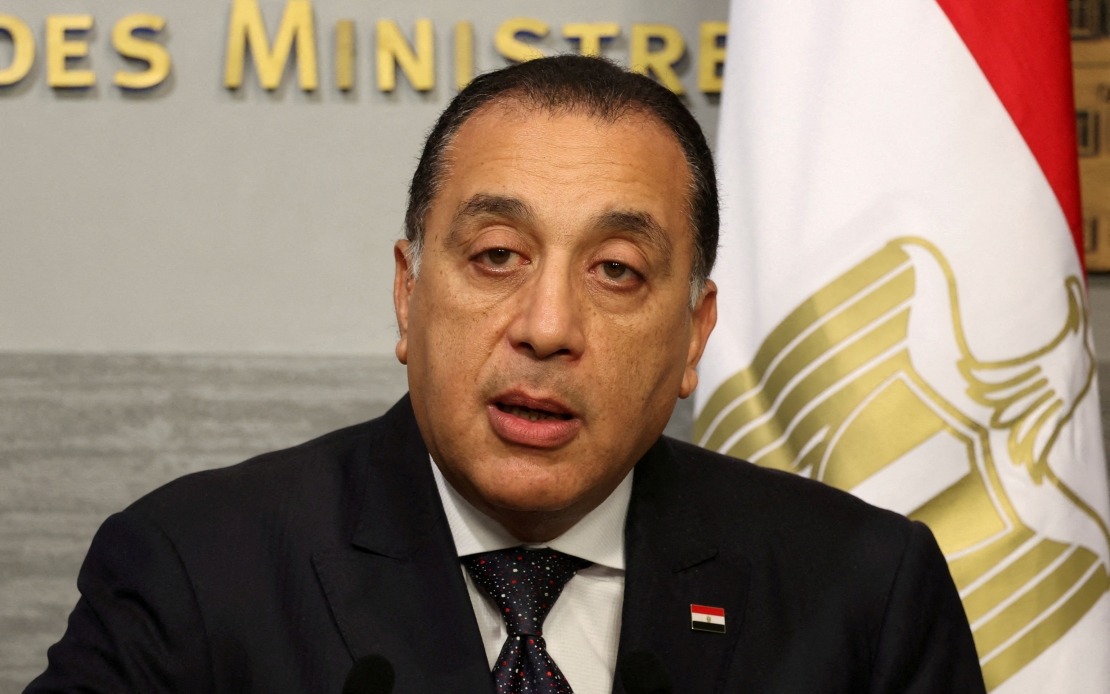
Egypt is pressing ahead with construction of its inaugural nuclear power facility, marking a significant milestone in the country's diversification away from fossil fuels. During a meeting with Russia's nuclear chief in Cairo, Prime Minister Mostafa Madbouly confirmed that the El Dabaa Nuclear Power Plant remains on schedule, with the initial reactor poised to feed electricity into Egypt's national grid during 2028. The announcement came as technicians completed installation of the reactor pressure vessel for the facility's second operational unit, underscoring tangible progress on the ground at the Mediterranean coastal site.
The El Dabaa complex, situated roughly 300 kilometres northwest of Cairo in the Matrouh Province coastal city of El Dabaa, represents one of the Middle East's most significant energy infrastructure undertakings. Comprising four identical reactor units, each with a nominal capacity of 1,200 megawatts, the plant is designed to generate approximately 4,800 megawatts of electrical output once fully operational. This scale of deployment would meaningfully augment Egypt's electricity supply, addressing chronic power shortages that have constrained economic growth and industrial expansion across the nation for years.
Madbouly underscored that the nuclear initiative embodies a long-standing aspiration now being realised through sustained diplomatic and technical cooperation with Russia. The Egyptian administration views the project as foundational to the country's broader energy transition strategy, which hinges upon expanding the proportion of clean, low-carbon electricity within the national energy portfolio. Given Egypt's rapidly expanding population and surging industrial demand for power, the government recognises that conventional thermal generation alone cannot sustain future consumption trajectories without incurring prohibitive environmental and economic costs.
The partnership with Moscow's state nuclear corporation Rosatom has proven instrumental in advancing the project. Alexey Likhachev, director general of Rosatom, commended Egypt's sustained governmental backing and reiterated confidence in the development timeline. According to the Russian official, following the 2028 connection of the first reactor, the subsequent three units will gradually enter service, with all four expected to be fully operational before 2030. This phased implementation approach permits the nation to absorb the technical and operational demands of managing nuclear generation capacity incrementally.
The technological and financial dimensions of the El Dabaa undertaking are substantial. The foundational bilateral contracts underpinning the initiative were concluded between Cairo and Moscow and became effective in December 2017, establishing a framework for Russian technical expertise, equipment supply, and financing support. The involvement of Rosatom, a global leader in nuclear reactor design and deployment, ensures that Egypt benefits from proven engineering solutions and operational best practices accumulated across decades of international nuclear development.
For Southeast Asian observers, Egypt's nuclear ambitions carry instructive implications. Like several developing economies in the region grappling with energy security and environmental commitments, Egypt is confronting the imperative to expand electricity generation whilst reducing carbon intensity. The El Dabaa project exemplifies how middle-income nations can leverage international partnerships and Russian technological leadership to deploy nuclear capacity as a tool for decarbonisation. However, it also highlights the substantial capital outlays, extended construction timelines, and regulatory sophistication required to bring such projects to fruition.
The strategic significance of Egypt's nuclear programme extends beyond purely domestic considerations. As a cornerstone of the Arab world's energy infrastructure and a gateway between Europe, Asia, and Africa, Egypt's energy trajectory influences broader regional stability and economic development. Reliable, abundant electricity supply strengthens industrial competitiveness, supports population growth, and underpins urban development across the nation's congested Nile Valley corridor.
Egypt's energy challenges have been acute. The nation's conventional thermal power stations, predominantly fuelled by natural gas and diesel, have proven insufficient to meet demand while inflation and operational inefficiencies have pressured state finances. The anticipated addition of 4,800 megawatts of nuclear capacity would substantially alleviate strain on the system and offset future gas import dependencies, thereby enhancing energy sovereignty and economic resilience. For a country already managing acute fiscal constraints, reducing reliance on imported hydrocarbon fuels carries meaningful macroeconomic consequences.
The nuclear plant also intersects with Egypt's broader aspirations within international climate diplomacy. As a signatory to the Paris Agreement and a vocal advocate for climate action in multilateral forums, Cairo is seeking to demonstrate tangible progress in transitioning towards cleaner energy systems. The El Dabaa project furnishes concrete evidence of this commitment, even as the country remains heavily dependent upon fossil fuels across other sectors of its economy.
Russia's role as the principal technology and financing partner reflects deeper strategic interests in the Eastern Mediterranean and Arab world. Beyond commercial considerations, Moscow's nuclear partnerships with nations like Egypt reinforce geopolitical influence whilst positioning Russian engineering and industrial capacity as essential to the region's infrastructure modernisation. This dimension of the partnership deserves closer attention from regional analysts monitoring evolving great power competition within the broader Middle East and Mediterranean basin.
Looking ahead, successful completion of the El Dabaa plant would validate Egypt's ability to manage complex megaproject implementation whilst establishing a template for potential future nuclear additions to the grid. However, the undertaking also carries inherent risks related to cost overruns, construction delays, and the stringent regulatory and safety protocols that modern nuclear deployment demands. Egyptian engineers and administrators will require sustained international support to navigate these challenges whilst maintaining public confidence in the safety and economic viability of nuclear energy production.

