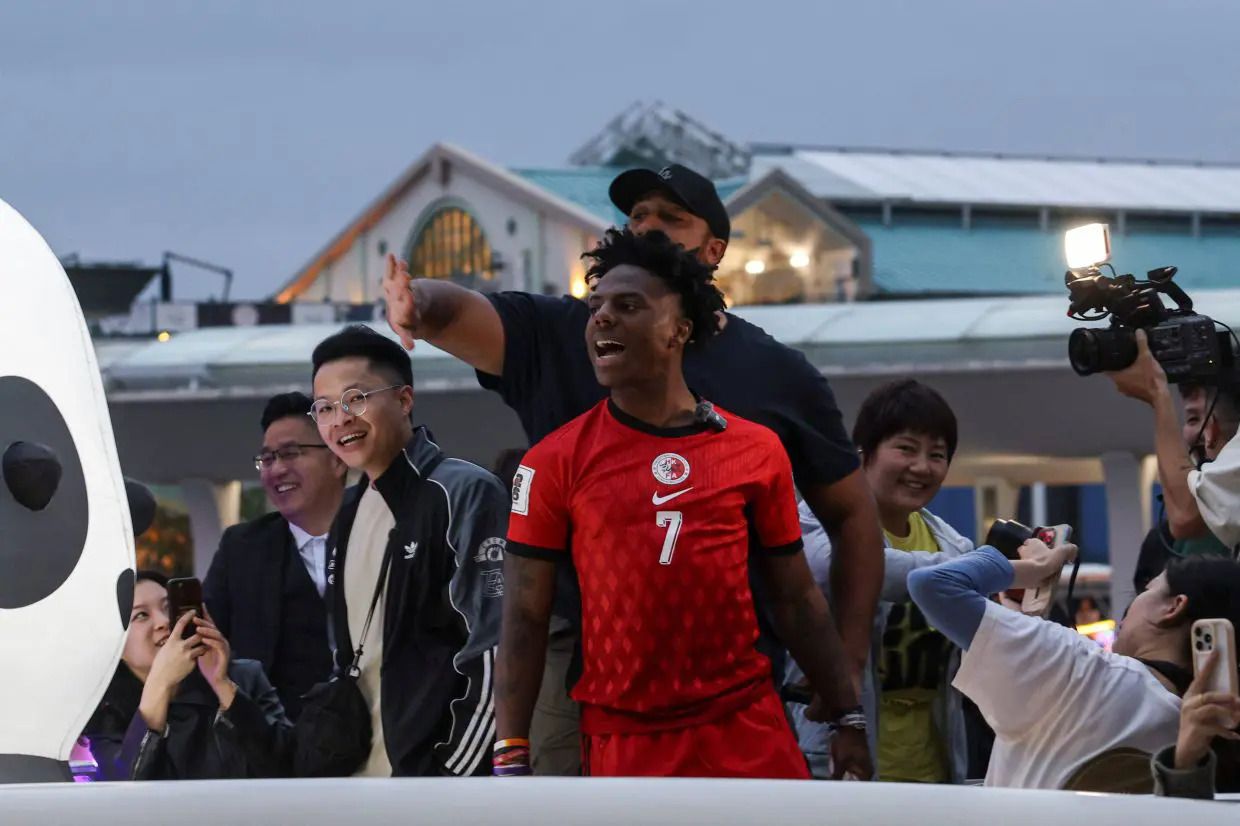
FIFA has initiated a formal investigation into racist abuse allegedly directed at IShowSpeed, a globally prominent content creator, during the Argentina versus Cape Verde World Cup fixture held on 3 July 2026 at Miami Stadium. The international football governing body announced the probe through its official X account on Tuesday, July 7, signalling swift action in response to what it characterised as discriminatory conduct unbecoming of the tournament and the sport itself.
The incident marks a significant moment in how major sporting events handle misconduct involving digital-era celebrities and streaming personalities. IShowSpeed, whose real name is Darren Watkins Jr, represents a new category of World Cup attendee—content creators whose audience reach through social media platforms often exceeds traditional sports broadcasting. At just 21 years old, he commands an extraordinary following of over 57 million subscribers on YouTube alone, with an additional substantial presence across other video platforms, making him one of the most-watched individuals documenting the tournament's events for global audiences.
The streamer's access to World Cup matches stems from a specially negotiated arrangement involving FIFA, YouTube, and American broadcaster Fox Sports, formalising the integration of digital content creation into modern tournament coverage. This partnership reflects how football's governing bodies now recognise the commercial and promotional value of real-time streaming to younger demographics who may consume sports content differently from conventional television audiences. However, the arrangement has evidently exposed Watkins to vulnerabilities within stadium environments, where fan conduct remains difficult to police comprehensively.
FIFA's statement emphasised an unequivocal stance against discriminatory behaviour, declaring that "racism, hate and discrimination in all forms" have no legitimacy within football, at World Cup venues, or in broader society. This language signals that the organisation views such conduct as antithetical to its values and competitive standards. The statement's breadth—encompassing football specifically, the World Cup context, and society generally—reflects growing international pressure on sports organisations to address social issues beyond their immediate jurisdictional boundaries.
The situation became more serious when reports emerged of a second incident during an Argentina versus Egypt match on Tuesday. In this encounter, an Argentine supporter allegedly engaged in racist mockery by imitating monkey gestures during an interaction with the streamer. This second occurrence within a span of days raises questions about whether isolated incidents or a pattern of targeted harassment is occurring. For Southeast Asian observers, such incidents recall historical contexts where athletes and personalities of colour have faced similar discrimination at major sporting events across the region and globally.
The targeting of a high-profile Black content creator at a major international sporting event underscores persistent challenges within football stadiums where large, passionate crowds gather. While many supporters engage peacefully, enforcement mechanisms for addressing discriminatory behaviour by individual spectators remain imperfect. Modern surveillance technology, steward training, and incident reporting protocols represent partial solutions, yet the deterrent effect remains questionable when perpetrators face uncertain consequences.
For Malaysian football enthusiasts and media observers, this situation illuminates the evolving landscape of World Cup attendance and participation. As emerging digital platforms reshape how tournaments are documented and experienced, they simultaneously expand the potential audience but also introduce new dimensions of risk and responsibility for organisers. The intersection of traditional stadium culture with streaming technologies creates novel challenges for maintaining inclusive, respectful environments.
FIFA's investigation will likely focus on identifying specific individuals responsible for the alleged abuse, reviewing video footage from stadium cameras and potentially from IShowSpeed's own streaming feed, and determining appropriate disciplinary measures. Depending on findings, consequences could range from individual fan bans to broader stadium access restrictions for the Argentine delegation or specific supporters' groups. The precedent established through this investigation may influence how FIFA and other international sports bodies address similar incidents involving high-profile personalities, athletes, or content creators at future events.
The Watkins case also reflects broader demographic shifts within World Cup audiences and the entertainment ecosystem surrounding the tournament. By facilitating his access and streaming activities, FIFA acknowledged that contemporary World Cup experiences now encompass digital communities spanning continents. This expansion of the tournament's scope into streaming platforms and social media has democratised access but simultaneously exposed tournament participants to behavioural challenges that traditional stadium attendance never presented at comparable scale.
For regional sports governance bodies and Malaysian football authorities, the incident offers instructive lessons regarding spectator conduct, diversity and inclusion initiatives, and the role of modern media in documenting stadium behaviour. As Southeast Asian nations increasingly host or participate in international tournaments, establishing robust frameworks for addressing racism and discrimination becomes increasingly critical. The visibility of such incidents through streaming platforms means that responses—or failures to respond—are amplified globally and reshaped through social media commentary almost instantaneously.
The investigation itself represents FIFA's attempt to demonstrate institutional commitment to enforcing standards against racism in football. Whether this translates into substantive changes in how stadiums manage crowd conduct, train stewards to identify and respond to discrimination, and pursue perpetrators remains to be seen. For IShowSpeed, continuing his World Cup documentation despite these disturbing experiences tests both his resilience and FIFA's capacity to provide adequate protection and accountability mechanisms for all individuals participating in its flagship tournament.

