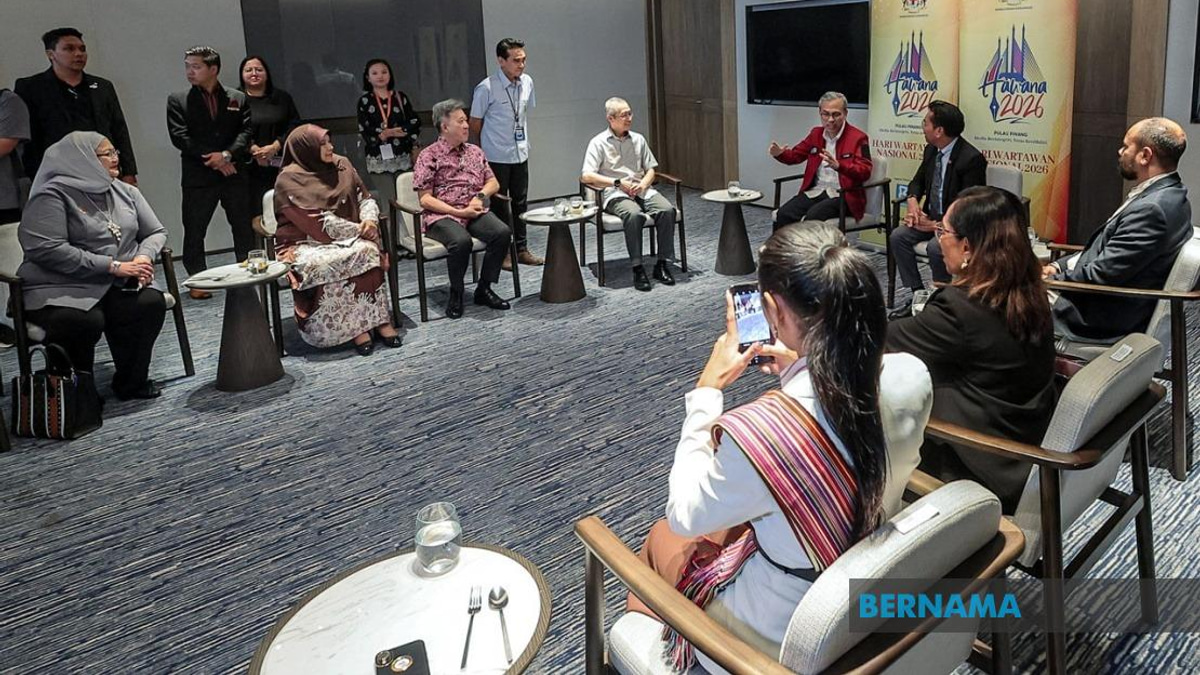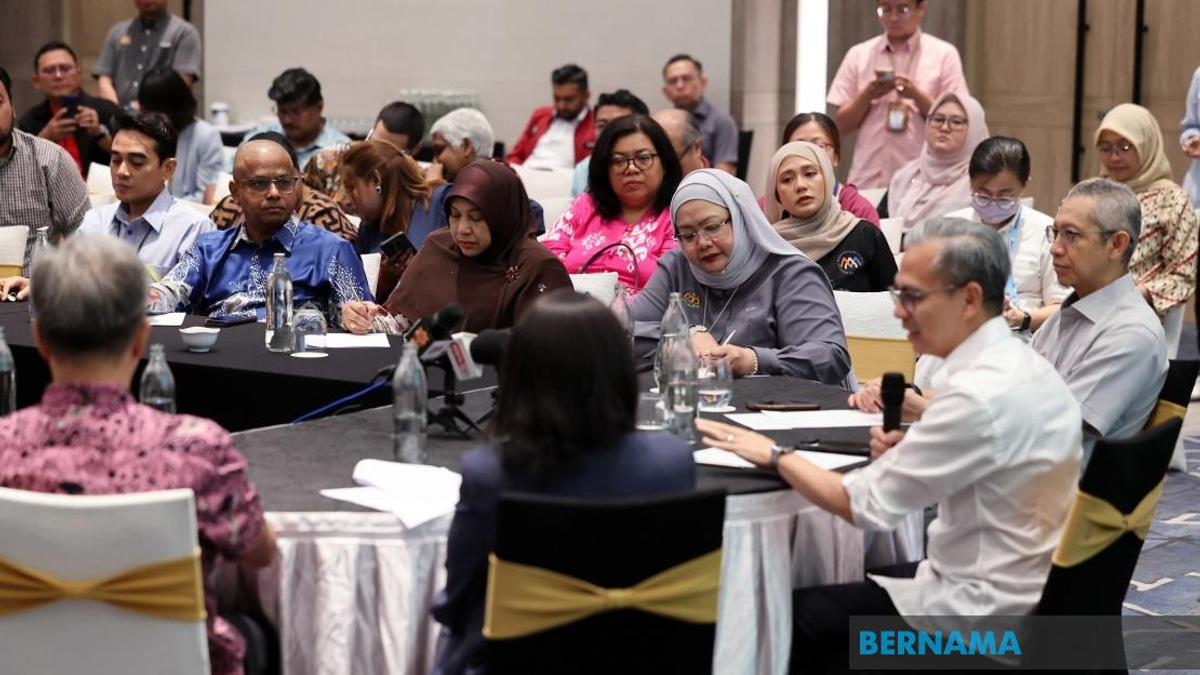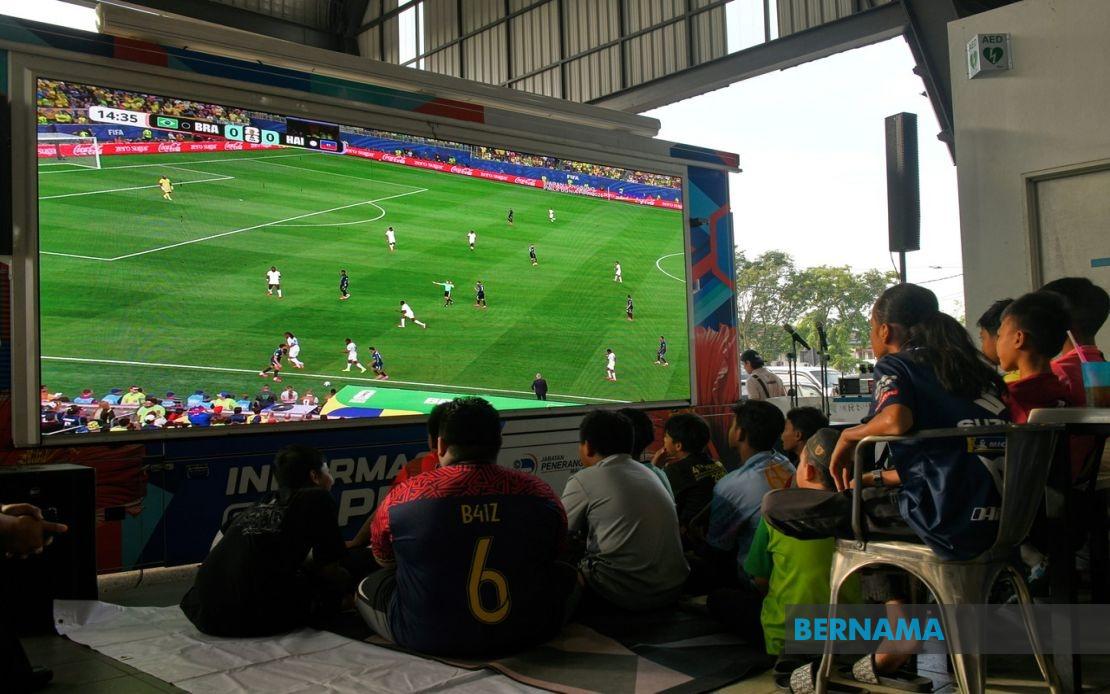
The Malaysian government's decision to provide free access to 2026 FIFA World Cup matches through Radio Televisyen Malaysia and Unifi TV is proving beneficial for the food and beverage sector, according to Communications Minister Datuk Fahmi Fadzil. Speaking in Butterworth after attending a World Cup viewing event at Seberang Jaya Public Market's food court, Fahmi highlighted that the initiative has received overwhelming support from traders and consumers alike, with feedback indicating significant relief from the financial pressures they typically face during the tournament.
The provision of free broadcasts addresses a longstanding burden on Malaysia's food and beverage industry. Restaurant and food court operators traditionally incur substantial licensing fees to screen international sporting events, costs that are often passed on to customers through higher prices. By removing this financial obstacle, the government has effectively lowered the barrier to entry for small and medium-sized establishments wishing to capitalise on the World Cup's appeal. Traders in the sector have reported that free access to matches allows them to attract more customers during prime viewing hours without compromising their profit margins.
Fahmi's visit to Seberang Jaya revealed the depth of public appreciation for the decision. One long-established trader shared that the World Cup 2026 marks the first occasion in over twenty years that he has been able to screen tournament matches without bearing significant broadcast licensing costs. This revelation underscores how the initiative represents a departure from previous World Cup tournaments, where smaller operators frequently chose not to screen matches due to prohibitive fees, thereby ceding competitive advantage to larger establishments with greater financial capacity.
The minister emphasised that the government's approach serves multiple objectives beyond immediate cost reduction. By enabling free broadcasts across RTM, RTMKlik, and Unifi TV, the initiative democratises access to world-class sporting entertainment. Malaysians from all socioeconomic backgrounds can now enjoy World Cup matches through these platforms, whether at home or in community spaces such as food courts and public markets. This accessibility has broader implications for social cohesion and national engagement around major sporting events.
For the food and beverage sector specifically, the initiative functions as a form of stimulus during a challenging economic period. Rising operational costs driven by supply chain disruptions and international geopolitical tensions have squeezed margins across the industry. The World Cup period typically represents a revenue opportunity as customers gather to watch matches. By eliminating broadcast licensing fees, the government has effectively provided targeted relief to an industry facing headwinds from external economic pressures, particularly those stemming from regional conflicts that have driven up commodity prices.
Fahmi's interaction with traders during his visit revealed ongoing economic anxieties within the business community. Multiple operators raised concerns about escalating costs resulting from international tensions in West Asia. Traders reported that certain imported goods and supplies have become significantly more expensive, compressing already-thin profit margins. The minister acknowledged these concerns as legitimate and indicated his intention to brief senior government leadership, including Prime Minister Datuk Seri Anwar Ibrahim and Penang Chief Minister Chow Kon Yeow, on the ground-level realities facing small business operators.
The visit itself demonstrated a deliberate effort by the ministry to maintain direct contact with affected communities rather than relying solely on reports and statistics. Fahmi's decision to observe the Brazil versus Haiti match alongside members of the public and engage in informal discussions with stall operators reflected an understanding that policymakers benefit from first-hand exposure to how their decisions translate into lived experience. This approach, which he explicitly encouraged other ministers, Members of Parliament, and state assemblymen to adopt, emphasises transparency and accountability in governance.
The broader context for this initiative extends beyond mere cost management. Major sporting events like the World Cup carry significant cultural and social significance in Malaysia and throughout Southeast Asia. Football commands passionate followings across the region, transcending class boundaries and uniting diverse communities. By ensuring that the 2026 World Cup remains accessible to all Malaysians through free broadcast channels, the government preserves the tournament's role as a shared national experience rather than a commodity available only to those willing or able to pay premium prices.
Regional implications of Malaysia's approach merit consideration as well. Neighbouring countries in Southeast Asia face similar challenges regarding broadcast licensing costs and public access to major sporting events. Malaysia's model of leveraging public broadcasting infrastructure to democratise access could serve as a template for other nations seeking to balance commercial interests with broader social accessibility. The success of this initiative may influence how regional governments approach future major sporting events and their relationship with public media services.
Looking forward, the sustainability of free World Cup access depends on continued government commitment to public broadcasting infrastructure. RTM and Unifi TV require adequate funding and technical capacity to deliver high-quality broadcasts to a potentially massive concurrent audience. The June 2026 tournament will provide a significant test of these systems' capabilities. If the initiative succeeds technically and generates the anticipated economic benefits for food and beverage operators, it may establish precedent for future major sporting events.
The initiative also raises questions about the commercial broadcasting landscape in Malaysia. Traditional commercial broadcasters who previously paid significant fees for exclusive broadcast rights must adapt to an environment where free alternatives are available. This shift reflects a policy decision prioritising public welfare over commercial broadcaster interests, a balance that regulatory authorities will need to manage carefully to ensure the sustainability of quality sports journalism and sports production in Malaysia.
Ultimately, the government's World Cup broadcast initiative represents an intersection of cultural, economic, and social policy considerations. By removing financial barriers to accessing the tournament, policymakers have recognised that major sporting events carry value extending beyond immediate commercial returns. For traders in Malaysia's food and beverage sector, the initiative provides tangible economic relief. For the broader public, it ensures that a significant cultural moment remains accessible regardless of ability to pay. As June 2026 approaches, this policy decision may become a model for how developing nations balance commercial interests with public service obligations.