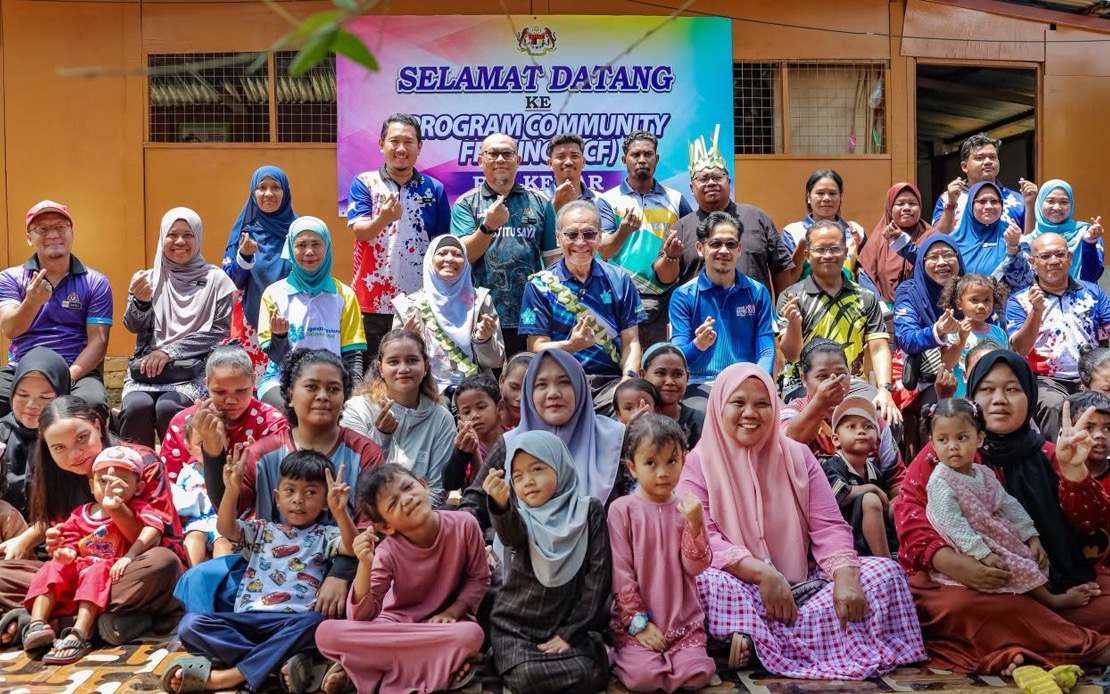
Health Minister Datuk Seri Dr Dzulkefly Ahmad has announced a RM500,000 funding allocation to modernise healthcare infrastructure at the Kemar Health Clinic in Gerik, addressing critical service gaps affecting the Orang Asli population across the remote settlements of Hulu Perak. The decision reflects the government's recognition that geographic isolation and limited transport networks have historically constrained healthcare access for indigenous communities who depend on waterway routes for emergency and routine medical care.
A cornerstone of the upgrade involves constructing a purpose-built boat storage facility to replace the existing structure, which has deteriorated significantly after more than a decade of continuous use. The current facility, originally designed to accommodate a single vessel, has become inadequate as the clinic's medical operations have expanded. This infrastructure deficiency has complicated maintenance schedules and exposed valuable emergency response assets to environmental damage, directly impacting the clinic's capacity to respond swiftly to health crises across the approximately 4,500 Orang Asli residents concentrated around the RPS Kemar settlement.
Beyond transport infrastructure, the allocation will fund the acquisition of essential medical hardware that strengthens diagnostic and emergency care capabilities. A Video Laryngoscope represents a particularly significant addition, enabling healthcare workers to perform intubation procedures with greater precision during critical cases. Such equipment becomes invaluable in remote settings where transport delays to larger hospitals can be measured in hours rather than minutes. The funding will also support procurement of a replacement four-wheel-drive vehicle, enabling staff to conduct ground-based outreach and mobile clinics across terrain inaccessible during monsoon seasons.
The investment strategy reflects a broader acknowledgment that rural healthcare delivery in Malaysia requires investment beyond standard clinic infrastructure. During his visit to the facility, Dr Dzulkefly also commissioned the Medik 8 boat, a 12-passenger multipurpose vessel costing RM350,000, which joins the existing fleet of six water ambulances operated by the Health Ministry. This addition directly addresses response time constraints for the isolated RPS Kemar population, where the absence of road connectivity means emergency transport depends entirely on reliable watercraft and trained boat operators capable of navigating challenging river conditions.
The government's commitment extends to a planned overhaul of the clinic itself, with plans underway to construct a new Kemar Health Clinic designated as Type 5, signifying a major institutional facility. This upgrade will replace the current structure with modern clinical spaces capable of delivering comprehensive care closer to the communities it serves. Such facility-type designations in Malaysia's healthcare hierarchy indicate improved diagnostic capabilities, expanded inpatient capacity, and enhanced specialist access—representing a categorical improvement in service quality for residents who previously faced lengthy journeys to reach adequately equipped hospitals.
The broader context for this investment involves Malaysia MADANI's healthcare equity principle, which frames medical access as a fundamental right independent of geographic location. Dr Dzulkefly explicitly invoked this framework during his visit, emphasising that challenging terrain and distance would not become barriers to healthcare delivery. This statement carries particular weight given historical disparities in health outcomes between rural Orang Asli communities and urban populations, stemming largely from infrastructure and resource constraints rather than any lack of clinical capability among deployed staff.
Complementing the infrastructure developments, the ministry has also intensified focus on preventive nutrition programmes targeting vulnerable populations. The Community Feeding Programme at RPS Kemar delivers targeted nutritional interventions to Orang Asli children between six months and six years, addressing early-life malnutrition through comprehensive measures including supervised feeding, fortified milk provision, multivitamins, and therapeutic food for diagnosed underweight cases. Over a decade of consistent implementation from 2015 to 2025, this approach has produced measurable improvements in population health indicators.
The stunting rate—a critical indicator of chronic malnutrition affecting growth and cognitive development—has declined substantially from 75.2 per cent to 50.8 per cent among children in the Kemar settlement. Concurrently, the underweight rate dropped from 43.7 per cent to 25.2 per cent, demonstrating that systematic nutritional intervention can reverse entrenched patterns of childhood malnutrition within remote communities. These metrics underscore how health improvements depend on comprehensive approaches combining infrastructure, equipment, personnel deployment, and community-based nutrition programmes rather than single interventions.
The health minister's emphasis on frontline personnel deserves particular attention, as the success of water-based emergency services depends on healthcare workers and boat operators willing to navigate dangerous river conditions during adverse weather. This human resource dimension often receives less public attention than infrastructure spending, yet proves essential in terrain where transportation itself constitutes a medical risk. Retaining experienced staff in remote postings requires institutional recognition of the distinct professional challenges they face and commitment to equipping them with modern tools.
For Malaysia's broader healthcare system, the Kemar investment signals a policy pivot toward proactive infrastructure development in underserved regions rather than reactive crisis management. By addressing accumulated maintenance backlogs, expanding emergency transport capacity, and upgrading diagnostic equipment simultaneously, the allocation attempts to create self-sustaining improvements rather than temporary relief. This approach aligns with emerging international evidence that remote healthcare systems require baseline infrastructure investment to prevent service deterioration and staff burnout.
The implications extend beyond Hulu Perak's Orang Asli communities, as similar geographic and logistical challenges characterise healthcare delivery across peninsular Malaysia's indigenous settlements and numerous East Malaysian locations. The Kemar model—combining facility modernisation, transport fleet expansion, community nutrition programmes, and personnel support—potentially provides a framework adaptable to other remote regions. Early results from decade-long nutritional interventions provide evidence that sustained, integrated approaches can measurably improve population health outcomes even in resource-constrained settings.
Moving forward, the success of this RM500,000 investment will depend on sustainable staffing, regular equipment maintenance protocols, and continued community engagement in nutrition programmes. The constructed boat storage facility and new Type 5 clinic will serve their intended purpose only if staffed adequately and operationally supported through subsequent budget cycles. Sustainability concerns often undermine rural health infrastructure in developing contexts, making ongoing institutional commitment as crucial as initial capital allocation.

