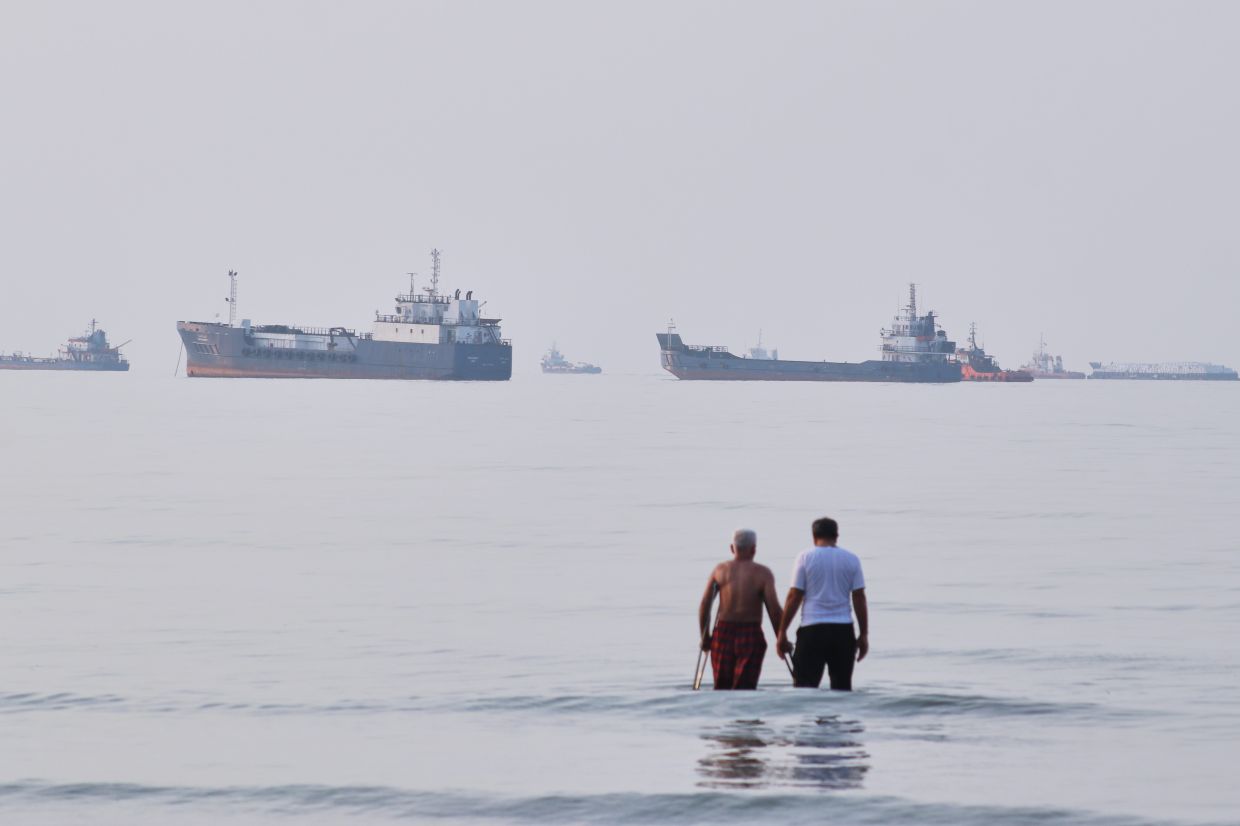
Iran has flatly rejected US President Donald Trump's suggestion that diplomatic talks could proceed without a formal ceasefire in place, instead demanding that Washington accept Tehran's foundational conditions before any meaningful negotiation can resume. At the centre of these preconditions lies the critical issue of shipping transit through the Strait of Hormuz and Iran's ability to normalise its global oil exports—both matters with profound implications for energy security across Southeast Asia and beyond.
The rejection comes amid a sharp escalation in rhetoric from Trump, who issued a stark warning late Friday that Iran would face bombardment with "1000 Missiles" should it follow through on alleged threats against his life. Trump's warning referenced calls for his assassination that reportedly emerged during funeral proceedings for Iran's Supreme Leader Ayatollah Ali Khamenei, following intelligence that Israel had shared details of an alleged Iranian assassination plot with the US administration. The inflammatory language signals how quickly diplomatic channels have deteriorated and the precarious state of any negotiations.
According to Iran's semi-official Fars news agency, Tehran's authorities have made clear that the United States must first implement what they characterise as "agreed-upon understandings" before any substantive dialogue can commence. This position reflects Tehran's view that Washington has repeatedly failed to honour previous commitments, a historical grievance that continues to complicate bilateral relations. The Iranian stance underscores the fundamental mistrust underpinning these negotiations and the structural obstacles that must be overcome for any durable agreement.
The timing of Iran's rejection is particularly significant given that senior Trump administration officials have simultaneously demanded Iran make a public declaration affirming that all Hormuz shipping lanes remain open to international traffic and commit to refraining from attacks on civilian vessels. These officials, speaking anonymously to reporters, explicitly warned of serious consequences should Tehran fail to provide such assurances. The duelling demands and threats create a deadlock that appears increasingly difficult to navigate.
Understanding the strategic importance of the Strait of Hormuz is essential for Malaysian and Southeast Asian policymakers and observers. As the world's most critical energy chokepoint, through which roughly one-third of globally traded petroleum transits daily, any disruption to Hormuz shipping carries immediate ripple effects across Asian energy markets. Elevated tensions and retaliatory strikes have already driven oil prices higher this week, a volatile trend that directly impacts fuel costs and inflation pressures in energy-dependent economies throughout the region.
The current standoff represents a critical moment in the post-February conflict between the US, Israel, and Iran. That conflict erupted following the assassination of Ayatollah Khamenei in late February airstrikes, an attack that fundamentally reshaped Iran's political landscape and military calculations. Since then, reciprocal strikes have continued throughout the region, with Iran retaliating against American military installations while the US has maintained pressure through aerial campaigns and economic measures including the recent revocation of a Treasury waiver that had permitted Iranian oil sales on the global market.
Particularly noteworthy is Iran's appointment of Mojtaba Khamenei, the late Supreme Leader's son, as his successor. However, Mojtaba has remained conspicuously absent from public appearances or video statements since assuming his position in the immediate aftermath of the February airstrikes. This absence has sparked considerable speculation about whether he sustained significant injuries in the same attack that killed his father, and more broadly, about the extent of his personal involvement in negotiations aimed at concluding the conflict. Iranian officials have acknowledged Mojtaba suffered injuries but maintain that he continues actively directing decisions throughout the ongoing military confrontation.
On Saturday, Mojtaba broke his silence through a post on social media platform X, declaring that avenging his father's death constituted an "certain and undeniable duty" for Iran. This pronouncement suggests that any near-term de-escalation remains unlikely and that revenge operations may take priority over diplomatic resolution in the immediate future. Such language typically signals that Iran's leadership views military action as both justified and inevitable, complicating any pathway toward negotiated settlement.
Despite the inflammatory rhetoric and operational hostilities, Trump administration officials have indicated that expert-level discussions with Iranian counterparts are expected to continue, suggesting that both sides retain at least minimal diplomatic infrastructure. Notably, Iran's Foreign Minister Abbas Araghchi traveled to Oman on Saturday for talks centred on the future governance and security arrangements surrounding the Strait of Hormuz. Oman has historically served as a crucial mediator in US-Iran relations, and this engagement hints that third-party diplomacy may yet provide channels for progress even as direct US-Iran tensions escalate.
The broader implications for Southeast Asia centre on energy security and shipping stability. Malaysian ports, shipping companies, and energy-dependent industries all face heightened uncertainty. Any sustained blockade or serious disruption to Hormuz traffic would necessitate rerouting vessels around Africa—a vastly longer and more expensive journey that would increase costs for regional importers. Additionally, spike in global oil prices triggered by Middle Eastern tensions directly affects Malaysia's import costs for petroleum products and energy prices for consumers and businesses across the region.
The convergence of Trump's hardline posture, Iran's defiant stance, and lingering questions about the stability of Iran's new leadership creates a volatile situation with no clear off-ramp. The administration's simultaneous demands for Iranian concessions and threats of military action, coupled with Iran's insistence on prior US compliance, suggest both sides are entrenched in positions that leave limited room for compromise. Southeast Asian governments and businesses must prepare for an extended period of elevated geopolitical risk in the Middle East and corresponding instability in global energy markets.

