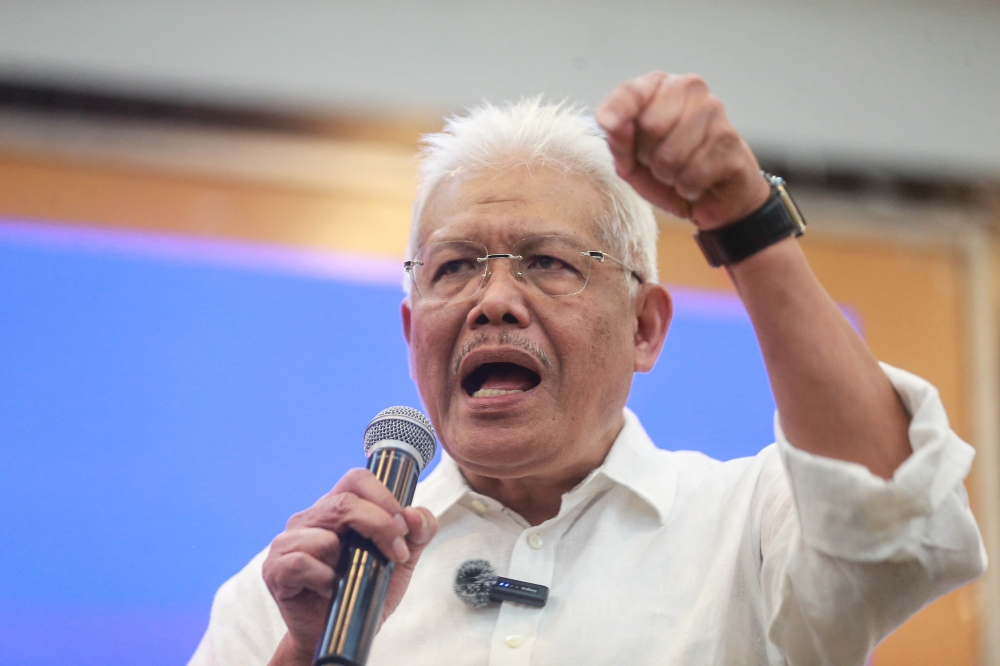
Negeri Sembilan Umno chairman Datuk Seri Jalaluddin Alias has emerged as a leading contender for the menteri besar post if the Barisan Nasional and Perikatan Nasional alliance secures victory in forthcoming state elections, according to senior political figures involved in coalition planning. The identification of Alias among the preferred candidates reflects broader coalition negotiations taking place across multiple state-level races as BN and Perikatan prepare for potential electoral gains.
The potential appointment underscores the complex power-sharing dynamics that emerge when disparate political blocs unite under a common banner. Hamzah Zainudin, a key figure in coalition coordination, indicated that multiple candidates remain under consideration, suggesting internal discussions are still ongoing regarding final candidates. This measured approach typically reflects attempts by coalition leadership to balance competing interests from partner parties and ensure broad acceptance across the alliance's diverse membership base.
Negeri Sembilan represents strategically important territory in the broader Malaysian political landscape. The state has historically demonstrated volatile electoral patterns, with leadership transitions reflecting shifts in voter sentiment across different regions and demographic groups. Control of the state assembly would provide the BN-Perikatan coalition with additional legislative representation and administrative resources, making the menteri besar selection particularly significant for alliance strategic positioning.
Jalaluddin Alias brings substantial experience in Negeri Sembilan politics through his leadership of the state Umno division. His tenure in this position has involved navigating the complex relationship between Umno's traditional powerbase and the broader coalition structures. The consideration of his candidacy suggests coalition leaders view his political foundation and established networks as valuable assets for maintaining party influence within state governance structures.
The timing of such candidate discussions typically precedes formal announcement of election dates or coalition electoral strategies. By identifying potential candidates in advance, coalition leadership establishes public expectations and allows party structures to mobilize support networks. This gradual transparency also helps gauge grassroots reactions and adjust strategies if significant resistance emerges from within party ranks or among coalition partners.
Perikatan Nasional's participation in such arrangements with Barisan Nasional represents a significant political development in Malaysian electoral dynamics. The two coalitions have historically competed directly, but recent years have witnessed increasing pragmatism regarding potential alliances in specific states. These arrangements test whether ideological differences between coalition partners can be successfully managed when pursuing shared electoral objectives.
The broader implications for Negeri Sembilan governance extend beyond simple leadership transition. Coalition governments require sophisticated coordination mechanisms to ensure policy coherence across partner parties with potentially divergent priorities. The menteri besar's role in managing such arrangements becomes particularly critical, requiring diplomatic skills alongside traditional administrative capabilities.
For Malaysian political observers, the Negeri Sembilan race illustrates patterns now common across multiple state contests. Coalition formations increasingly appear flexible and state-specific rather than following rigid national templates. This flexibility reflects recognition that different state electorates respond to localized leadership dynamics and regional policy concerns distinct from national-level considerations.
The consideration of multiple candidates suggests coalition leadership intends maintaining flexibility regarding final appointments. Such approaches provide negotiating space for partner parties to influence outcomes while preserving coalition leadership's ultimate decision-making authority. The eventual selection will likely reflect complex calculations involving party representation, electoral viability in specific constituencies, and compatibility with coalition partners' strategic objectives.
For residents of Negeri Sembilan, the leadership question carries implications for state development priorities and resource allocation. Different potential leaders bring varying emphases regarding economic development initiatives, infrastructure investment, and social policy implementation. The menteri besar's background and political constituency typically influence which regional concerns receive prioritized attention within state budget allocations.
The coalition's performance in Negeri Sembilan will provide indicators regarding broader BN-Perikatan prospects across other contested states. Electoral dynamics in individual states often create ripple effects influencing perceptions of coalition viability and momentum. A successful Negeri Sembilan outcome would bolster coalition confidence heading into subsequent state contests, while setbacks might necessitate strategic recalibration.
Looking forward, formal candidate announcements will clarify whether Jalaluddin Alias ultimately receives coalition endorsement or whether alternative candidates emerge from ongoing discussions. These decisions will reflect final coalition consensus regarding optimal positioning for state-level competition. For Negeri Sembilan voters, clarity on potential leadership will enable informed electoral decision-making based on candidates' policy platforms and administrative track records.

