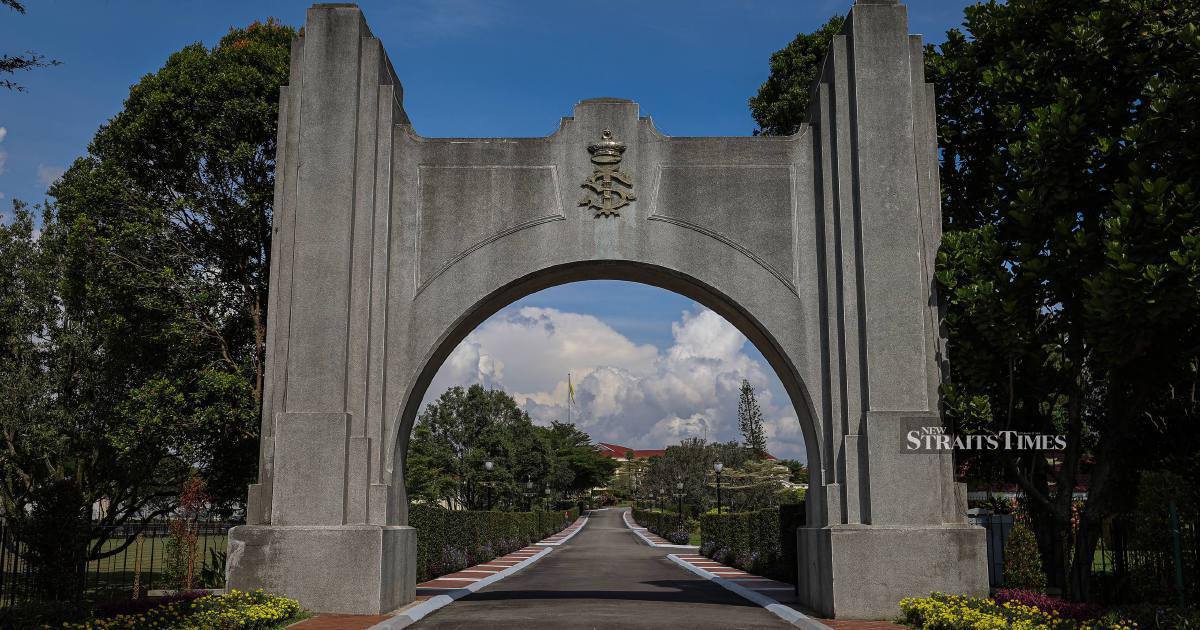
The state of Johor is preparing for a formal change in leadership as its newly elected menteri besar undergoes the constitutional swearing-in ceremony today in Johor Baru. The appointment follows Barisan Nasional's landslide performance in recent elections, providing the coalition with a strong mandate to govern Malaysia's second-largest state by population and one of its most economically significant regions.
Barisan Nasional's decisive victory at the ballot box has consolidated the ruling coalition's hold on Johor, a state that has historically been a political stronghold and serves as a crucial economic engine for the nation. The election results demonstrated considerable public confidence in the coalition's policy platform and vision for the state's development, though the specific margin of victory underscores varying levels of support across different constituencies and demographic groups within the electorate.
The swearing-in ceremony represents more than a ceremonial transition; it marks the formal assumption of executive authority and the beginning of the new administration's tenure in one of Malaysia's most strategically important states. Johor's political stability carries implications that extend beyond its borders, influencing regional dynamics and investor confidence across Southeast Asia, given the state's significant role in regional trade and logistics networks.
The appointment process itself reflects Malaysia's constitutional framework, whereby the ruler of Johor, Sultan Ibrahim Iskandar, exercises the prerogative to appoint the menteri besar from among members of the state legislative assembly. This appointment typically follows consultations with the coalition leadership and reflects the electoral verdict delivered by voters. The formal swearing-in ceremony, conducted according to constitutional protocols, will mark the legal beginning of the appointee's tenure and powers within the state.
Johor's political landscape has undergone significant shifts in recent years, with the state serving as a testing ground for electoral trends that often predict broader patterns across Malaysia. The coalition's strong showing in this election suggests sustained backing from the state's diverse electorate, encompassing urban voters in Johor Baru, agricultural communities in the interior regions, and manufacturing-based economies in industrial zones. Understanding these voting patterns provides insight into political preferences across different segments of Malaysian society.
The incoming administration will inherit both considerable opportunities and substantial challenges. Johor's economy, built on manufacturing, agriculture, trade, and increasingly on technology and tourism sectors, requires continued strategic investment and policy coherence. The state's proximity to Singapore, with which it shares significant trade relationships and cross-border economic activity, also means that policy decisions taken in Johor can have regional economic implications. Infrastructure development, particularly in transport and logistics, remains an ongoing priority for attracting further investment and supporting existing industries.
For Southeast Asian observers and business interests, the leadership transition in Johor carries significance beyond domestic Malaysian politics. The state's role as a major commercial and industrial hub, coupled with its geographic position connecting Malaysia's northern and southern regions, means that governance efficiency and policy direction matter to stakeholders throughout the region. Investor confidence, business continuity, and economic planning all depend on smooth transitions of power and clear articulation of development priorities.
The timing of the swearing-in ceremony, scheduled for today, reflects the urgency of formally establishing the new administration and allowing it to commence governance functions. Time is typically of the essence in transitions of government, as delays in establishing clear leadership authority can create uncertainty in administration and potentially disrupt the continuity of public services and policy implementation. The swift scheduling demonstrates the constitutional readiness to proceed with formal handover of executive responsibilities.
Barisan Nasional's coalition partners will also play important roles in the incoming administration, as is customary in Malaysia's federal and state governance structures. The distribution of ministerial positions among coalition members typically reflects negotiated agreements and the strength of each partner's electoral contribution. These internal coalition dynamics, while somewhat obscured from public view, significantly influence the operational capacity and policy direction of the state government.
Looking ahead, the new menteri besar will need to articulate a vision addressing contemporary challenges facing Johor, including economic diversification, human capital development, and social cohesion among an increasingly diverse population. The government's performance during its term will be scrutinized not only by Johor residents but also by regional and international observers monitoring Malaysia's trajectory. The state's developmental outcomes will contribute to broader narratives about political stability and economic competitiveness in Southeast Asia and Malaysia's standing within the region's hierarchy of economic power.

