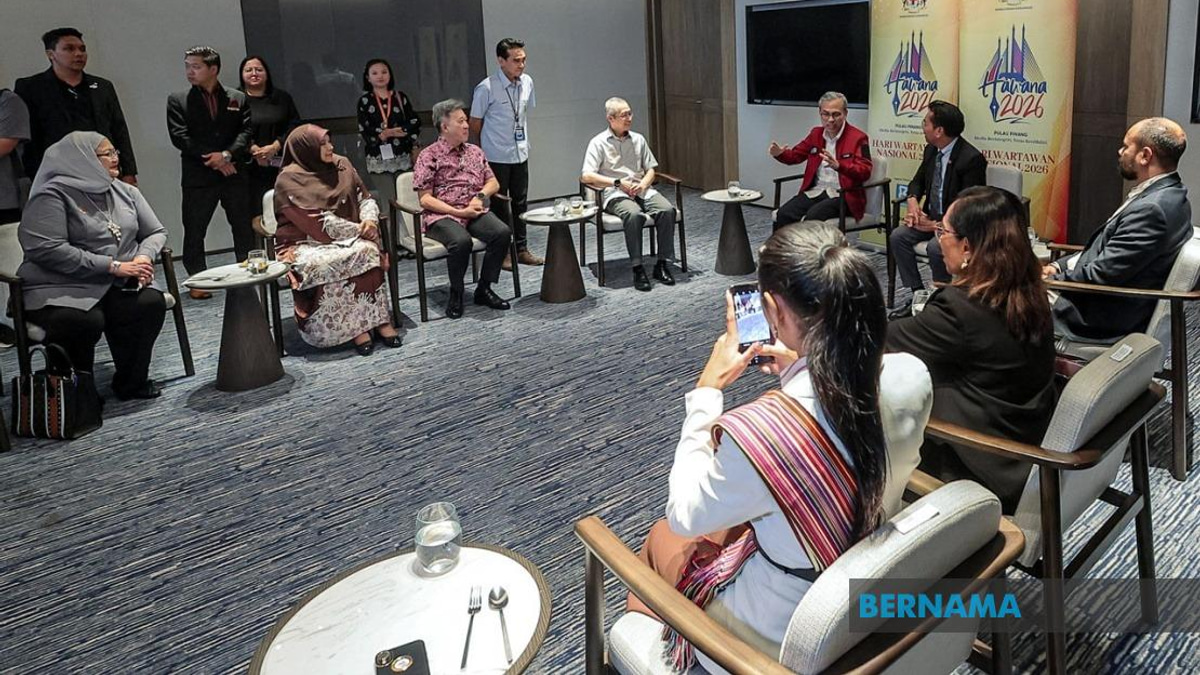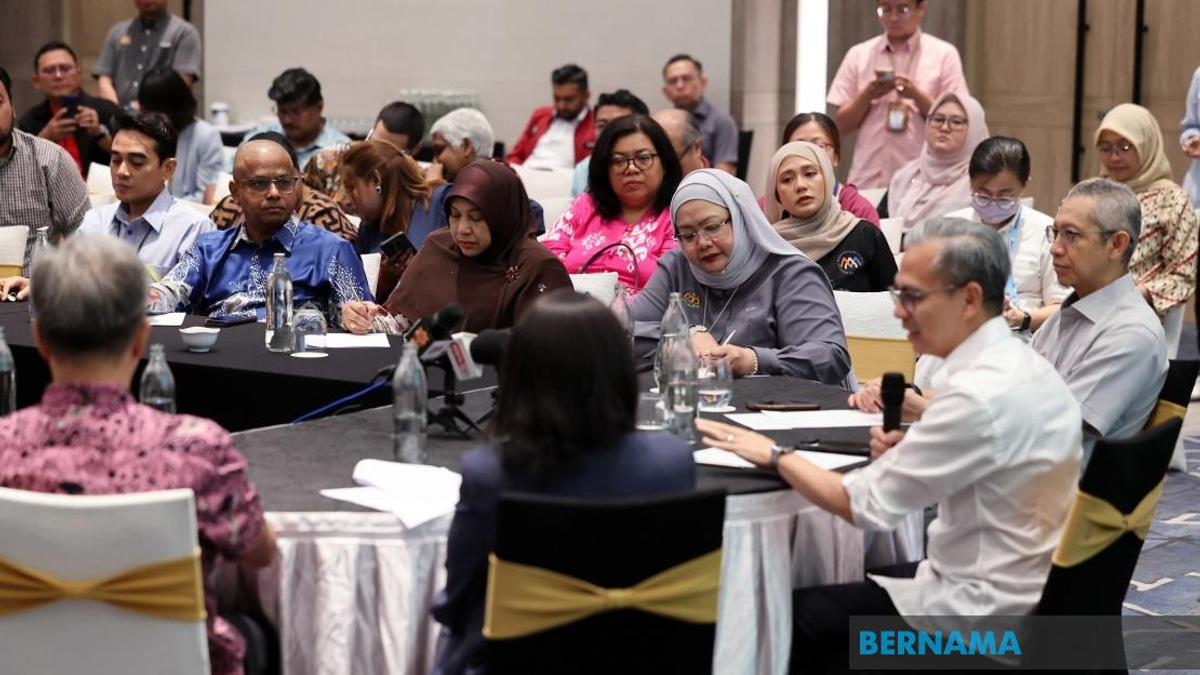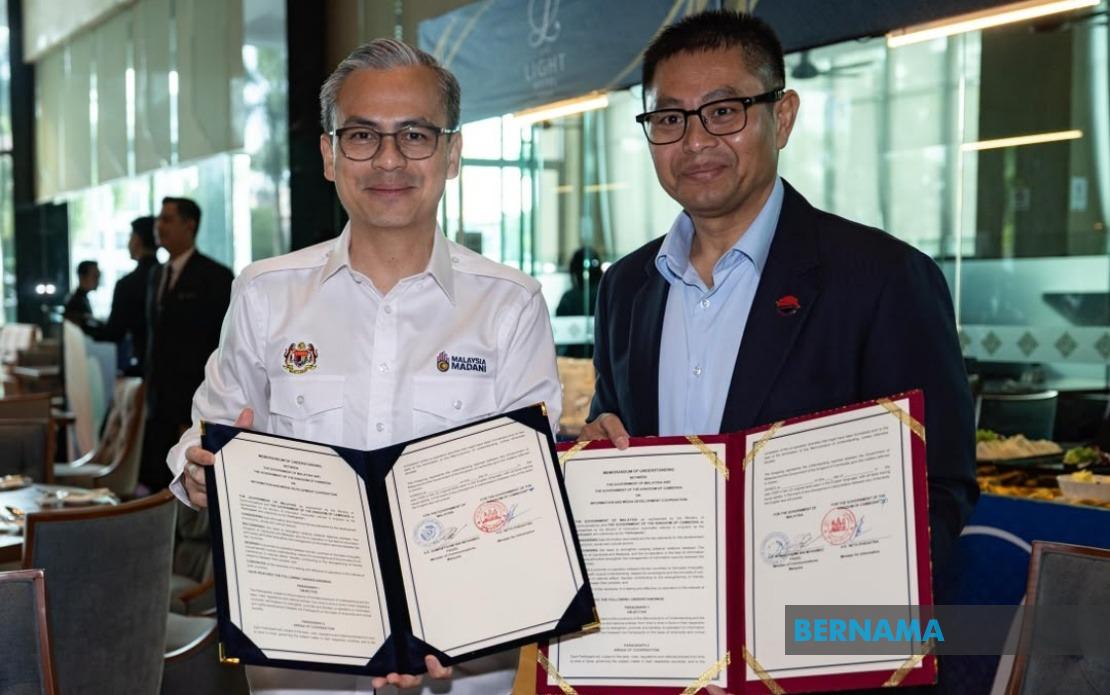
Malaysia and Cambodia have taken a significant step forward in their bilateral relationship by formalizing closer cooperation in the media and information sectors. Communications Minister Datuk Fahmi Fadzil and Cambodian Information Ministry Under Secretary of State Prak Thaveak Amida signed a memorandum of understanding at the Light Hotel in Butterworth on June 20, with the agreement subsequently presented at the National Journalists' Day (HAWANA) 2026 grand finale. The MoU, signed ad referendum on behalf of Cambodian Information Minister Neth Pheaktra, represents a strategic commitment from both nations to align their media development trajectories and foster sustained institutional collaboration.
The agreement encompasses a comprehensive framework covering multiple dimensions of the communications landscape. The partnership creates formal channels for news and information exchange between Malaysian and Cambodian media organizations, establishing mechanisms that could enhance reporting capabilities and cross-border understanding. Beyond traditional news operations, the MoU explicitly addresses radio and television broadcasting standards and practices, recognizing the foundational role these mediums continue to play in reaching audiences across both countries, particularly in regions where digital penetration remains uneven.
Printing and publishing cooperation forms another pillar of the arrangement, acknowledging the continued relevance of print media in Southeast Asian societies. The agreement also prioritizes human capital development, suggesting both governments recognize that sustainable media advancement requires investment in journalist training, editorial expertise, and professional standards. This dimension carries particular significance for the region, where capacity-building initiatives can help smaller media outlets meet international benchmarks and compete effectively in an increasingly globalized information environment.
The MoU extends into emerging and specialized areas of media practice. Film and documentary production cooperation could facilitate co-productions and cultural exchanges that tell stories relevant to both nations' audiences. Media cybersecurity provisions address a pressing contemporary concern, as newsrooms across Southeast Asia face escalating threats from state-sponsored actors, criminal networks, and ideologically motivated hackers seeking to compromise journalistic integrity or suppress reporting. By establishing coordinated approaches to digital security, Malaysia and Cambodia can share threat intelligence and defensive strategies.
Information policy harmonization and regulatory practices represent the agreement's more governance-focused dimension. As digital platforms reshape media consumption patterns, both countries face complex challenges in developing regulations that protect citizens from misinformation and harmful content while preserving editorial freedom. Comparative regulatory learning can help both nations avoid policy mistakes and identify effective governance models. Innovation in media and broadcasting provisions signal both governments' recognition that traditional media institutions must evolve technologically to remain relevant.
The timing of this formal cooperation reflects broader shifts in Southeast Asian geopolitics and economics. Malaysia and Cambodia, despite their geographical and historical differences, share complementary interests in regional stability, economic integration, and cultural exchange. Cambodia's position as a gateway to Indochina and Malaysia's role as a multicultural commercial hub mean that improved media ties can facilitate business reporting, investment flows, and mutual understanding. Enhanced information exchange also serves diplomatic objectives by reducing misunderstandings that can arise from unfiltered or distorted reporting across borders.
For Malaysian media practitioners and organizations, the MoU opens practical possibilities for collaboration with Cambodian counterparts. Journalists may gain opportunities to cover developments in Cambodia with greater access and support from local contacts. Malaysian media companies could explore partnerships in digital content creation, broadcasting, or publishing ventures that leverage both nations' comparative advantages. Educational institutions training journalists might develop exchange programs or joint curriculum initiatives with Cambodian partners.
The agreement also carries implications for media development across Southeast Asia more broadly. As one of the region's leading democracies with relatively robust press freedoms, Malaysia can share experience in managing media in diverse, competitive political environments. Cambodia, navigating its own complex media landscape, stands to benefit from exposure to Malaysian editorial practices and institutional models. Reciprocally, Malaysian journalists and editors can learn from Cambodian experiences in operating media across different political and social contexts.
The formal nature of the MoU, signed by high-level government officials and presented at a national journalists' event attended by Prime Minister Datuk Seri Anwar Ibrahim, demonstrates both governments' commitment to treating media cooperation as a strategic priority rather than a peripheral diplomatic nicety. The involvement of Penang Chief Minister Chow Kon Yeow and multiple Bernama officials underscores Malaysia's seriousness in implementing the agreement at multiple administrative levels.
Sustainability of such partnerships depends on follow-through mechanisms and institutional support. The MoU's success will be measured by whether media organizations actually utilize the cooperation frameworks, whether journalists establish regular collaborative networks, and whether governments provide resources for implementation. Establishing working groups, coordination committees, and funding mechanisms will be essential to translating diplomatic intent into concrete professional benefits.
The larger context for this agreement involves growing recognition across Southeast Asia that media cooperation enhances both professional quality and regional understanding. As disinformation and foreign interference in media narratives become increasingly sophisticated, countries benefit from coordinated approaches to media development. Malaysia and Cambodia's partnership demonstrates that bilateral media cooperation can serve multiple objectives simultaneously: strengthening professional standards, supporting economic opportunities, deepening diplomatic ties, and contributing to regional information security and integrity.