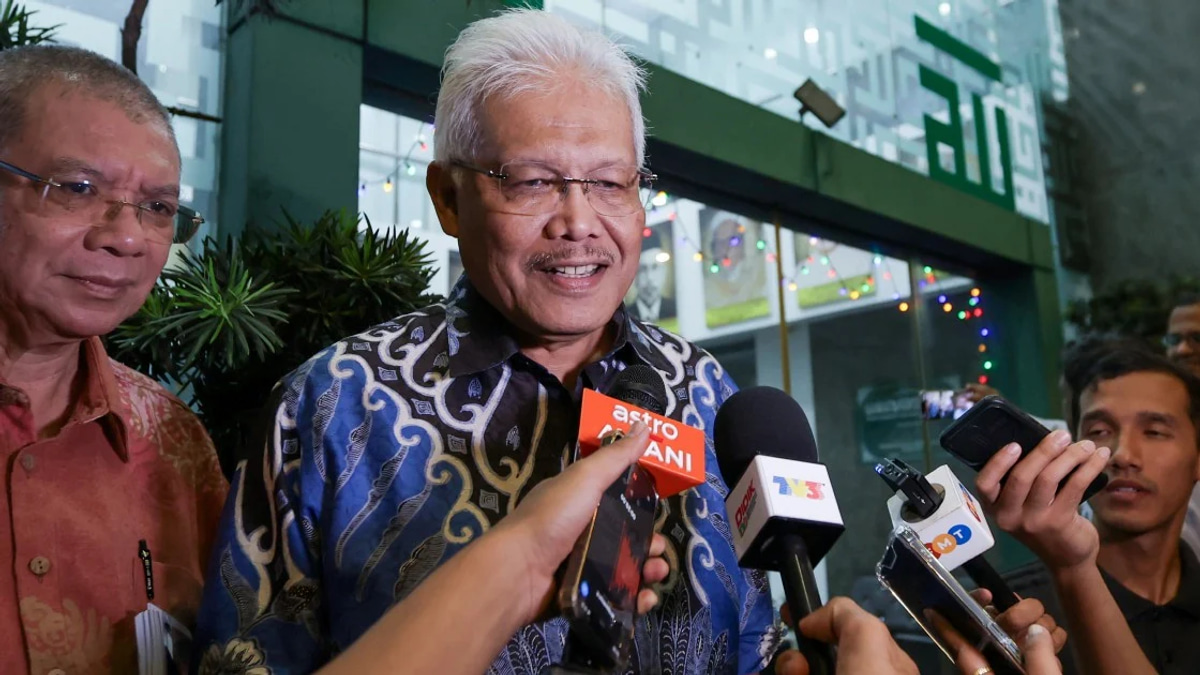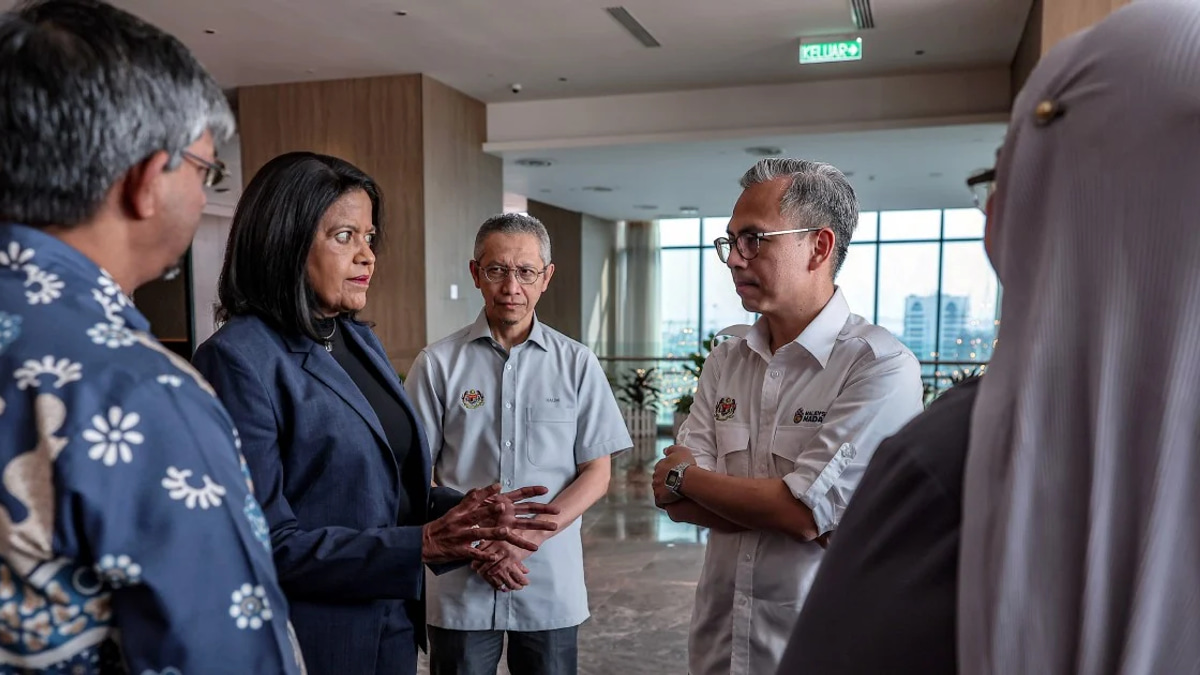
Prime Minister Datuk Seri Anwar Ibrahim has declared that Malaysia stands at the threshold of a transformative economic era, one fundamentally rooted in advanced technological capabilities rather than traditional resource extraction or labour-intensive manufacturing. The emphasis on semiconductors, artificial intelligence, and innovation marks a deliberate recalibration of the country's economic identity as it grapples with the imperatives of global competitiveness and changing market dynamics.
This repositioning reflects Malaysia's recognition that its historical reliance on commodity exports and conventional manufacturing faces structural headwinds. The semiconductor sector, in particular, represents both tremendous opportunity and existential challenge for Southeast Asia's third-largest economy. Taiwan and South Korea have demonstrated how mastery of chip production and design can transform a nation's prosperity, while Malaysia itself hosts significant assembly and testing operations that employ thousands. The next logical step involves scaling up into higher-value segments of the semiconductor value chain, from advanced packaging technologies to fabless design companies.
Artificial intelligence integration across industries offers Malaysia another pathway to economic differentiation. Unlike commodity production, which is vulnerable to price fluctuations and resource depletion, AI applications can enhance productivity across agriculture, manufacturing, healthcare, and financial services—sectors where Malaysia already possesses foundational capabilities. The government's implicit recognition of this advantage suggests policymakers understand that technological adoption, rather than mere production, will determine long-term competitiveness.
The timing of such declarations carries significance for investor sentiment and workforce development. When a prime minister publicly commits to technology-driven growth, it sends signals to multinational corporations considering Southeast Asian locations for research and development hubs. It also justifies public and private investment in education, particularly in science, technology, engineering, and mathematics disciplines where Malaysia has historically lagged regional peers. The semiconductor and AI sectors demand highly trained workforces, creating educational imperatives that extend well beyond boardrooms.
Malaysia's existing semiconductor ecosystem provides scaffolding for this transition. Companies like Penang-based manufacturers and assembly facilities already embedded in global supply chains can leverage their experience to move upstream into design, advanced packaging, and chip testing specialisation. However, this requires deliberate policy support including intellectual property protections, research tax incentives, and potentially strategic foreign partnerships to acquire technological expertise.
The geopolitical context adds urgency to Malaysia's pivot. As tensions between the United States and China reshape global semiconductor supply chains, countries positioned strategically and technologically competent can capture displaced investment. Malaysia's geographic location, existing infrastructure, and relative political stability make it an attractive alternative to concentrated production centres. Yet realising this advantage demands credible commitment to technological advancement, not merely relocation of assembly operations facing tariff pressures.
Artificial intelligence development particularly demands ecosystem thinking. Rather than attempting to compete with Silicon Valley or Chinese tech hubs, Malaysia could identify niches where local expertise and regional market knowledge confer advantage. Applications in tropical agriculture, Islamic financial services, or multilingual processing leverage Malaysia's distinctive position in the global economy. This specificity makes AI transition less a purely aspirational commitment and more a pragmatic identification of comparative advantages.
The economic multiplier effects of technology-focused growth extend beyond semiconductors and AI companies themselves. Service sectors including logistics, telecommunications, and cloud infrastructure develop alongside hardware production. Financial services evolve to support venture capital and startup ecosystems. Universities transform into research powerhouses generating intellectual property and trained talent. Malaysia's transition therefore represents not merely industrial reorientation but broader societal restructuring around technological innovation.
Implementing such transition poses considerable challenges. Malaysia competes for semiconductor investment against established regional players with deeper technical expertise and more mature ecosystems. Developing genuine artificial intelligence capabilities rather than merely adopting foreign solutions requires sustained investment in research institutions and talent retention. The risk exists that government rhetoric outpaces actual resource allocation, creating expectation gaps between stated ambitions and delivered outcomes.
Educational systems require overhaul to prepare workers for technology-intensive employment. Current curriculum emphasis and university research outputs in many Malaysian institutions lag requirements for semiconductor design or advanced AI applications. Building capability across the knowledge-intensive sectors demands not only capital but also cultural shifts toward innovation-friendly institutional practices and intellectual property commercialisation norms still developing in Malaysia.
Regional dynamics also merit consideration. Thailand, Vietnam, and Indonesia pursue similar technological upgrading strategies, competing for equivalent foreign investment and talent. Malaysia's advantages—its English-speaking workforce, established manufacturing base, and relative institutional stability—provide foundation for differentiation, but require sustained commitment to maintain competitive positioning.
Prime Minister Anwar's framing of Malaysia's economic trajectory signals strategic thinking appropriate to contemporary challenges. The question now centres on translating policy declarations into tangible ecosystem development, workforce preparation, and sustained investment that transforms rhetoric into reality. Success would position Malaysia as a genuine technology player within Southeast Asia, whereas merely aspirational statements risk widening gaps between ambition and achievement.