%22%2F%3E%3C%2Fpattern%3E%3C%2Fdefs%3E%3Crect%20width%3D%22100%25%22%20height%3D%22100%25%22%20fill%3D%22url(%23ph3twyhg)%22%2F%3E%3Crect%20width%3D%22100%25%22%20height%3D%22100%25%22%20fill%3D%22url(%23ph3twyhp)%22%2F%3E%3Ctext%20x%3D%2250%25%22%20y%3D%2250%25%22%20text-anchor%3D%22middle%22%20dominant-baseline%3D%22central%22%20fill%3D%22rgba(255%2C255%2C255%2C0.95)%22%20font-family%3D%22Georgia%2C%20'Times%20New%20Roman'%2C%20serif%22%20font-weight%3D%22700%22%20font-size%3D%22170%22%20letter-spacing%3D%22-0.02em%22%3EMalaysia%3C%2Ftext%3E%3C%2Fsvg%3E)
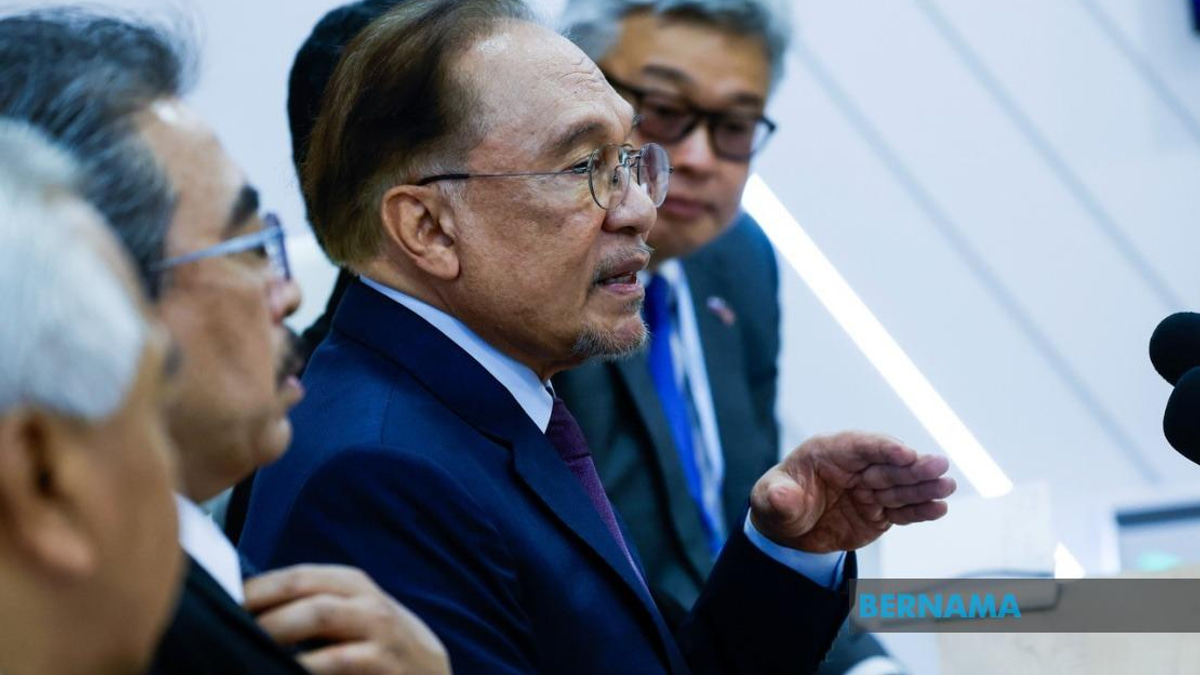
Prime Minister Datuk Seri Anwar Ibrahim's diplomatic mission to Turkmenistan represents a calculated effort to position Malaysia as an active economic player in Central Asia, a region historically overlooked by Southeast Asian policymakers but increasingly vital to global energy and trade networks. The visit underscores Kuala Lumpur's recognition that sustained economic growth requires expanding beyond traditional Asian markets and developing relationships with resource-rich nations capable of supplying critical commodities to Malaysian industries.
Turkmenistan's significance to Malaysia extends well beyond conventional bilateral relations. The Central Asian republic sits atop vast natural gas reserves and possesses established infrastructure for energy exports, making it a natural partner for a nation perpetually seeking to secure stable supplies for its power generation and petrochemical sectors. Malaysia's energy-intensive industries, particularly the petrochemical and manufacturing clusters, depend heavily on reliable commodity access, and Turkmenistan's proven reserves offer a degree of supply security that geopolitical complications in other regions cannot guarantee.
The timing of Anwar's visit reflects broader strategic calculations within Malaysia's leadership regarding economic diversification. As global trade patterns shift and traditional markets face structural headwinds, Malaysian policymakers increasingly recognize that Central Asian countries represent underexploited commercial opportunities. These nations possess growing consumer bases, infrastructure development needs, and institutional frameworks amenable to Malaysian business interests, particularly in sectors where Malaysian companies possess competitive advantages such as telecommunications, financial services, and engineering.
Energy cooperation forms the cornerstone of this diplomatic engagement. Malaysia's medium-term energy security strategy hinges on diversifying supplier relationships away from overreliance on Middle Eastern sources. Turkmenistan's proven track record as a reliable energy exporter, combined with its geographic position along multiple pipeline corridors serving Asian markets, positions it as an ideal partner for long-term supply agreements. Such arrangements would provide Malaysian utilities and energy-intensive industries with contractual certainty regarding commodity costs and availability—factors increasingly important as energy transitions accelerate globally.
Beyond hydrocarbons, the visit creates space for Malaysian companies to explore entry points into Turkmenistan's modernization agenda. The Central Asian nation has embarked on significant infrastructure development projects encompassing telecommunications networks, transportation systems, and industrial facilities. Malaysian engineering, construction, and technology companies possess the expertise and capital structures to participate meaningfully in these initiatives, generating substantial revenue streams while simultaneously anchoring Malaysia's presence in the region.
Investment flows represent another dimension of this strategic engagement. Turkmenistan's investment landscape has attracted increasing attention from Asian nations seeking to diversify their portfolios beyond traditional manufacturing destinations. Malaysian sovereign wealth funds, pension administrators, and large conglomerates possess both the financial capacity and risk tolerance necessary to engage in long-term infrastructure investments in Central Asia. Such capital deployment not only generates returns for Malaysian institutions but strengthens bilateral relationships through tangible economic linkages that transcend periodic diplomatic visits.
The visit also addresses Malaysia's broader foreign policy objectives within Asia-Central Asia connectivity frameworks. Regional initiatives increasingly emphasize bridging South Asia, Southeast Asia, and Central Asia through enhanced trade corridors, financial integration, and people-to-people exchanges. Malaysia's active participation in these frameworks positions the nation as a preferred intermediary for Central Asian nations seeking to deepen connections with Southeast Asian markets and vice versa. This brokerage role generates diplomatic influence disproportionate to Malaysia's relative size and reinforces its relevance within evolving regional architectures.
From Turkmenistan's perspective, deepening ties with Malaysia provides access to Southeast Asian markets and investment capital while diversifying its diplomatic relationships. Central Asian nations remain mindful of overreliance on traditional partners, particularly Russia and China, and actively cultivate relationships with medium-sized powers capable of offering genuine partnership rather than hegemonic domination. Malaysia's non-aligned tradition and balanced approach to great power competition render it an attractive partner for Turkmen policymakers pursuing strategic autonomy.
The commercial dimension of this engagement carries implications extending beyond bilateral commerce. Trade and investment flows between Malaysia and Turkmenistan establish precedents and institutional mechanisms that facilitate broader Southeast Asian-Central Asian integration. Success in this bilateral relationship could encourage other Southeast Asian nations to pursue similar initiatives, gradually constructing a more integrated regional economic space encompassing both sub-regions. Such developments would fundamentally alter Asian trade patterns, creating new growth corridors and competitive dynamics.
Practical outcomes from Anwar's visit likely include framework agreements establishing collaborative mechanisms for energy transactions, investment screening processes streamlined to facilitate Malaysian participation in Turkmen projects, and institutional arrangements supporting business-to-business connections. These administrative structures, though unglamorous, provide the foundation necessary for sustained economic engagement that survives changes in political leadership or shifting diplomatic priorities.
Looking forward, Malaysia's Turkmenistan engagement reflects a maturing approach to economic statecraft wherein political visits translate into concrete commercial arrangements benefiting domestic constituencies. Companies in energy, engineering, and financial services sectors will monitor negotiations closely, as successful outcomes could unlock significant revenue opportunities. For Malaysian policymakers, successful Central Asian engagement demonstrates strategic diversification and positions the nation as a sophisticated economic actor capable of operating effectively across multiple regional theaters simultaneously, a capacity increasingly essential for medium-sized powers navigating contemporary geopolitical complexities.