The MCA's decisive victory in the Chennah by-election, where it successfully ousted DAP's Loke Siew Fook from the seat, has prompted political observers to examine the intricate mechanics of Malaysia's coalition politics and what the result reveals about the underlying strength of Umno within the broader Barisan Nasional framework. Rather than viewing the triumph in isolation, analysts emphasise that the outcome underscores a fundamental pattern in Malaysian electoral behaviour: the performance of MCA and MIC, the Chinese and Indian components of the Barisan Nasional respectively, is inextricably linked to the mobilisation capacity and political momentum of their coalition partner, Umno.
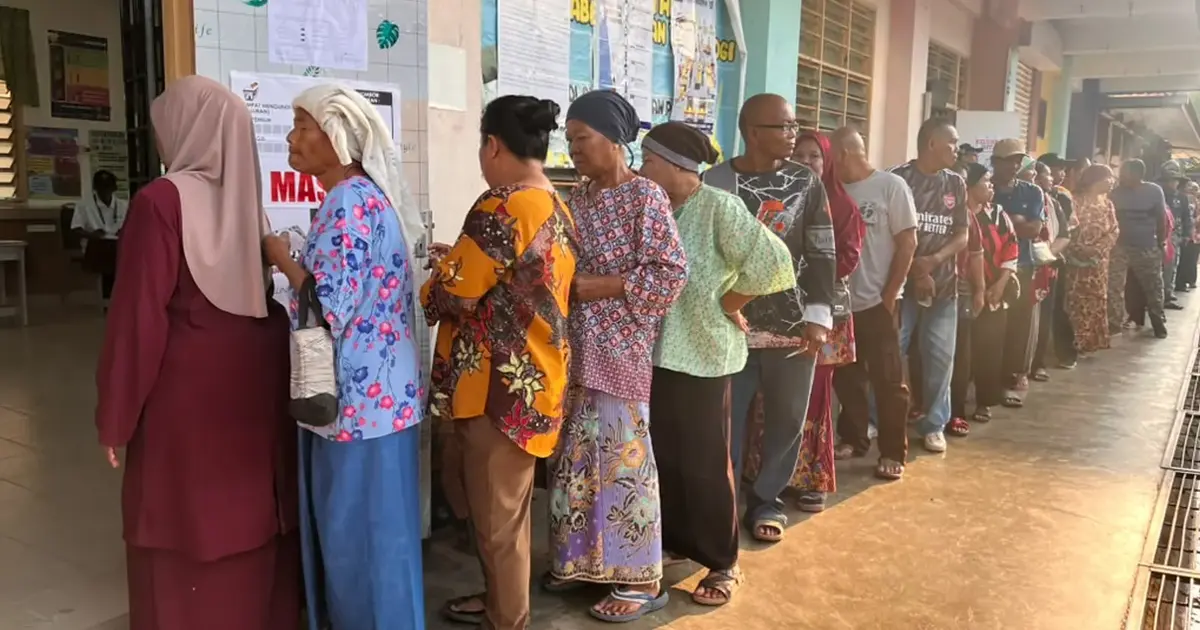
The Chennah result emerged from what observers characterised as a substantial mobilisation of Malay voters in support of the Barisan Nasional ticket. This phenomenon is not incidental but reflects the structural reality of how coalition politics functions in Malaysia's multiethnic democracy. When Umno, as the dominant partner commanding the largest reservoir of Malay-Muslim votes, successfully energises its base and turns out voters at the ballot box, the benefits cascade across the entire coalition apparatus. This ripple effect means that MCA candidates standing in constituencies with significant Malay populations find themselves boosted by the electoral energy generated through Umno's campaign machinery and organisational networks.
Understanding this dynamic requires acknowledging the asymmetry inherent in Barisan Nasional's composition. Umno's numerical dominance and its entrenchment within the federal bureaucracy, state governments, and local administration across much of the country grants it disproportionate influence over the coalition's direction and resource allocation. When the party functions effectively as a political machine, mobilising rural and urban Malay voters through traditional networks and modern campaign techniques, it creates what analysts term a "halo effect" that elevates the electoral prospects of its coalition partners in constituencies where they contest.
The Chennah by-election thus becomes a case study in how MCA's electoral fortunes remain substantially dependent on factors largely outside its direct control. The party, historically representing Malaysian Chinese business and professional interests, lacks the grassroots organisational depth across Malay-majority areas that Umno commands. Instead, MCA relies on Umno's capacity to deliver Malay voters and on the coalition's unified branding to persuade swing voters and fence-sitters that supporting Barisan Nasional is the prudent choice. When Umno's machinery functions efficiently and its core supporters respond to its mobilisation efforts, MCA benefits from the resulting tide of coalition support.
This arrangement has profound implications for the internal dynamics of Barisan Nasional. It means that MCA's relevance and electoral viability remain contingent on Umno's continued dominance and organisational effectiveness. In periods when Umno faces internal divisions, leadership crises, or declining public support, MCA invariably suffers corresponding setbacks, losing seats and credibility. Conversely, when Umno consolidates power and demonstrates strong grassroots mobilisation, MCA experiences electoral dividends even in constituencies where its own organisational presence may be relatively weak. The Chennah outcome fits this established pattern precisely.
For Malaysian politics more broadly, this dependency relationship raises important questions about coalition governance and the vulnerability of minority-community parties within multiethnic political arrangements. MCA's influence within Barisan Nasional fluctuates with Umno's fortunes, meaning the party struggles to exercise meaningful political leverage during periods of weakness. This structural subordination reflects the demographic realities of Malaysia, where Malays and Muslims constitute the majority population, but it also creates a precarious situation for MCA in terms of its ability to defend Chinese community interests when Umno pursues policies the party finds objectionable.
The analyst's observation that MCA benefits when Umno is strong therefore encapsulates a more comprehensive truth about coalition politics in Malaysia: the smaller partners in multiethnic coalitions typically enjoy electoral success only when the dominant coalition partner maintains both internal cohesion and external political momentum. This creates an institutional incentive for MCA and MIC to remain tethered to Umno's fortunes, even when their own members or constituents might prefer alternative political alignments or more independent policy positions.
Looking forward, the Chennah result may signal that Umno has successfully reasserted control over its organisational machinery and regained the capacity to mobilise voters on behalf of the broader coalition. If this trend consolidates, MCA can expect continued electoral improvements in constituencies where substantial Malay voter blocs exist and where the party can present a credible alternative to opposition candidates. However, should Umno face renewed internal turbulence or declining voter confidence, MCA will likely experience corresponding electoral reversals, regardless of the party's own organisational efforts or policy platforms.
For Southeast Asian observers studying coalition politics in plural societies, the Malaysian experience demonstrates how structural asymmetries within multiparty coalitions inevitably shape the electoral trajectories of junior partners. The Chennah by-election victory belongs nominally to MCA, but the underlying political dynamics reveal it as fundamentally a product of Umno's organisational strength and electoral appeal among Malay voters—a pattern that seems likely to persist so long as Malaysia's ethnic demographics and political structures remain substantially unchanged.

