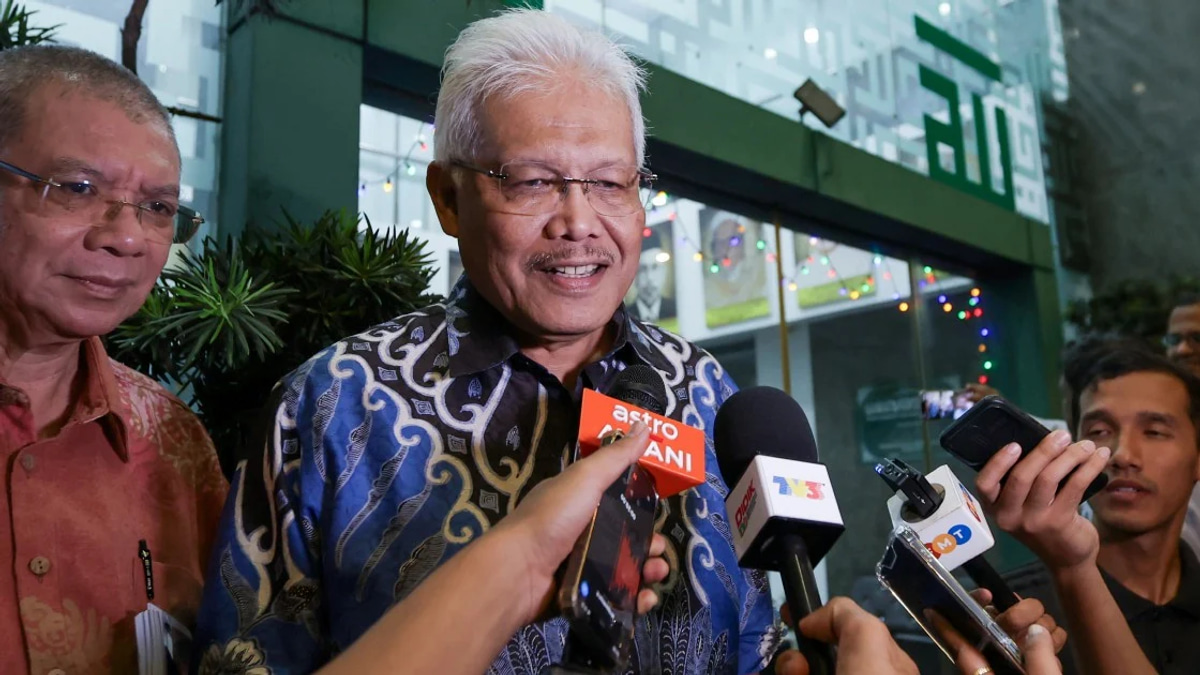
The Malaysian Media Council convened a networking dinner and informal gathering with media professionals from the northern states on June 20, coinciding with the National Journalists' Day (HAWANA) 2026 celebrations at the PICCA@Arena Butterworth Convention Centre. The event drew together more than 50 journalists, editors and media personnel from Penang, Kedah, Perak and Perlis, alongside MMC board members and staff, marking a deliberate effort to deepen relationships with the fourth estate across Malaysia's diverse regions.
MMC secretary Radzi Razak emphasised that such regional outreach initiatives remain crucial for an organisation that historically concentrates much of its engagement within the Klang Valley corridor. The decision to host this gathering in conjunction with the HAWANA highlight event presented a timely opportunity to create an informal environment where media practitioners could interact directly with council leadership and discuss the challenges they encounter in their respective states. This approach signals a shift in the council's operational philosophy—one that prioritises grassroots dialogue over top-down directives.
The session also served as the first substantive interaction between northern media practitioners and the recently appointed MMC chairman Tan Sri Nallini Pathmanathan, a former Federal Court judge who assumed the position on June 15. Her appointment represents a significant moment for the council, bringing judicial experience and independence to an institution tasked with upholding media standards and addressing industry grievances. The informal setting allowed journalists from the north to assess the new leadership's vision and approach firsthand, establishing working relationships that extend beyond formal regulatory frameworks.
Radzi articulated a fundamental concern driving the council's regional expansion strategy: the perception that the MMC operates as a Kuala Lumpur-centric body disconnected from the realities of journalism in provincial areas. Media practitioners in northern states often face distinct operational constraints—including limited advertising revenue, smaller audience bases, and reduced capacity for investigative reporting—that differ markedly from conditions in the capital. By demonstrating physical presence and genuine interest in ground-level concerns, the MMC aims to position itself as a truly national institution representing media communities from Perlis to Sabah.
The engagement session also functioned as a platform for bilateral exchange on emerging industry challenges and developments affecting journalism across Malaysia. Regional media outlets frequently navigate pressures that their Kuala Lumpur counterparts may not encounter with the same intensity, from local political interference to language and cultural sensitivities unique to their communities. Direct dialogue with council representatives provides an avenue for practitioners to articulate these concerns and seek guidance on ethical standards and professional conduct in contexts specific to their regions.
The MMC has committed to sustaining this decentralised engagement model beyond the initial northern foray. According to Radzi, the council intends to convene the Sarawak Media Conference next month, extending its regional consultation programme to East Malaysia. This progression reflects strategic planning to ensure that media professionals across the country—spanning Peninsular Malaysia, Sabah and Sarawak—have equitable access to council leadership and institutional resources. The approach recognises that effective regulation and professional development require understanding the distinct environments in which different media outlets operate.
Prime Minister Datuk Seri Anwar Ibrahim officially opened the HAWANA 2026 highlight event earlier that day, bringing together approximately 1,000 media practitioners from Malaysia and international delegations. The gathering underscored the significance accorded to the journalism profession by the highest levels of government, signalling political commitment to supporting media independence and professional standards. The event's theme, "Media Integrity Strengthens Credibility," encapsulates ongoing concerns about maintaining public trust in news reporting amid an increasingly complex information landscape.
The Ministry of Communications and Bernama, the Malaysian National News Agency, jointly orchestrated HAWANA 2026 as a recognition of the contributions, diligence and professionalism demonstrated by Malaysian media practitioners. Such commemorative events serve multiple functions: honouring the profession's contributions to national discourse, affirming government support for media freedom within appropriate regulatory frameworks, and providing platforms for professional development and industry reflection. The gathering represents an opportunity for journalists to consider collectively how their work impacts public understanding and democratic participation.
The northern engagement session illustrates a broader institutional maturation within the MMC, moving beyond reactive complaint handling toward proactive relationship building. By visiting provincial centres and creating informal spaces for dialogue, the council acknowledges that media standards and professional challenges are not uniform across the country. Media practitioners in Ipoh, Alor Setar, George Town and Kangar operate within economic, social and political contexts that demand tailored institutional responses and nuanced understanding from a body claiming to represent the entire profession.
For Malaysian journalists, particularly those based outside metropolitan areas, this visibility from national media institutions carries practical implications. Stronger relationships with the MMC can facilitate more effective resolution of professional disputes, improve access to council guidance on ethical questions, and amplify provincial media voices in national conversations about press freedom and journalistic standards. The council's commitment to sustained regional engagement suggests a recognition that media vitality depends on supporting practitioners across all states, not merely those clustered in the capital region.
%22%2F%3E%3C%2Fpattern%3E%3C%2Fdefs%3E%3Crect%20width%3D%22100%25%22%20height%3D%22100%25%22%20fill%3D%22url(%23ph4wying)%22%2F%3E%3Crect%20width%3D%22100%25%22%20height%3D%22100%25%22%20fill%3D%22url(%23ph4wyinp)%22%2F%3E%3Ctext%20x%3D%2250%25%22%20y%3D%2250%25%22%20text-anchor%3D%22middle%22%20dominant-baseline%3D%22central%22%20fill%3D%22rgba(255%2C255%2C255%2C0.95)%22%20font-family%3D%22Georgia%2C%20'Times%20New%20Roman'%2C%20serif%22%20font-weight%3D%22700%22%20font-size%3D%22226%22%20letter-spacing%3D%22-0.02em%22%3EPenang%3C%2Ftext%3E%3C%2Fsvg%3E)
%22%2F%3E%3C%2Fpattern%3E%3C%2Fdefs%3E%3Crect%20width%3D%22100%25%22%20height%3D%22100%25%22%20fill%3D%22url(%23ph4gj7hg)%22%2F%3E%3Crect%20width%3D%22100%25%22%20height%3D%22100%25%22%20fill%3D%22url(%23ph4gj7hp)%22%2F%3E%3Ctext%20x%3D%2250%25%22%20y%3D%2250%25%22%20text-anchor%3D%22middle%22%20dominant-baseline%3D%22central%22%20fill%3D%22rgba(255%2C255%2C255%2C0.95)%22%20font-family%3D%22Georgia%2C%20'Times%20New%20Roman'%2C%20serif%22%20font-weight%3D%22700%22%20font-size%3D%22272%22%20letter-spacing%3D%22-0.02em%22%3EFahmi%3C%2Ftext%3E%3C%2Fsvg%3E)