The Malaysian United Democratic Alliance (MUDA) has announced Rashifa Aljunied as its candidate for the Puteri Wangsa seat in the upcoming Johor state election, replacing the constituency's incumbent representative who is shifting focus to federal politics. The declaration, made by MUDA president Amira Aisya Abdul Aziz at a press conference in Johor Bahru on June 20, marks a significant transition for the party in one of its strongholds in the state.
Rashifa, 26, currently serves as head of the Puteri Wangsa service centre and has been instrumental in community engagement for the party in the constituency. Amira Aisya elaborated that the selection process involved comprehensive consultations with the party's top brass and grassroots machinery, reflecting MUDA's commitment to identifying candidates with genuine local roots and organisational experience. The emphasis on consensus-building within party structures suggests MUDA is attempting to maintain unity as it navigates the competitive landscape of state and federal elections simultaneously.
Amira Aisya's decision to vacate the Puteri Wangsa seat represents a strategic repositioning for the young politician, who will instead contest a parliamentary seat in the forthcoming 16th General Election. This move underscores how Malaysian political parties are increasingly deploying their most visible representatives across multiple electoral levels to maximise their reach and influence. For MUDA, which has positioned itself as a reformist force targeting younger voters and urban constituencies, the ability to retain leadership figures while also fielding fresh candidates demonstrates an attempt to balance continuity with renewal.
The 2022 Johor state election proved to be a breakthrough moment for MUDA in the peninsula's southern state. Puteri Wangsa emerged as the party's sole victory in Johor, with Amira Aisya securing a decisive majority of 7,114 votes in a closely contested six-way race. That singular triumph in a state traditionally dominated by Barisan Nasional and Perikatan Nasional illustrated MUDA's growing appeal among voters seeking alternatives to established political blocs. The constituency's demographics and voting patterns have positioned it as a bellwether for Malaysian politics' evolving dynamics, particularly among middle-class and younger urban voters.
Rashifa's nomination carries significant implications for MUDA's retention of this crucial seat. Maintaining control of Puteri Wangsa would bolster the party's credibility and provide it with a platform to argue for greater representation in future state and federal governments. However, the transition from an incumbent with a substantial personal following to a younger, less-known candidate introduces electoral risk. Political observers will closely monitor whether Rashifa can mobilise the party machinery effectively and whether she can build the personal vote that Amira Aisya had established. The margin of victory in 2022 was comfortable enough to suggest the seat remains favourably disposed toward MUDA, but complacency could invite challengers from other parties seeking to exploit any perceived organisational vulnerabilities.
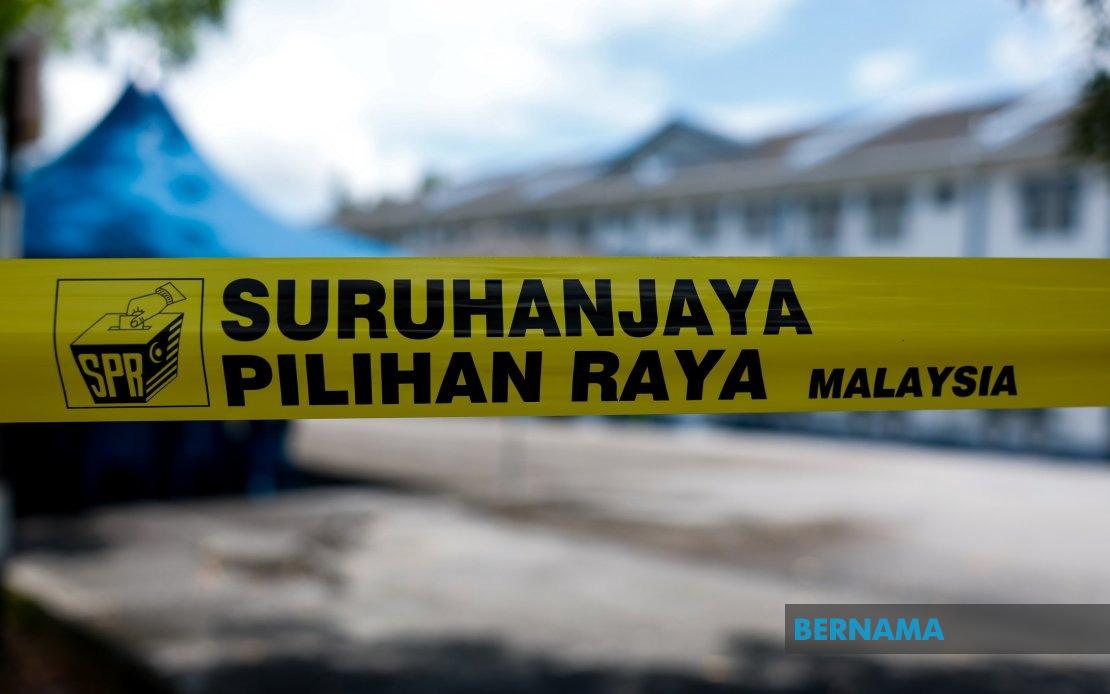
The electoral timetable for Johor presents a compressed campaign window for all contesting parties and candidates. The Election Commission has designated July 11 as polling day, with nomination day scheduled for June 27, allowing merely a fortnight for candidates to campaign and build voter awareness. Early voting is set for July 7, which may draw certain categories of voters including those with mobility constraints or scheduling difficulties. This condensed timeline means candidates must hit the ground running immediately after nomination, leveraging existing party infrastructure and ground organisations rather than building brand recognition from scratch.
MUDA has signalled that additional candidate announcements for the Johor election will follow in Kuala Lumpur on June 21, the day after the Puteri Wangsa declaration. This sequencing suggests the party is carefully choreographing its campaign rollout, likely coordinating announcements across multiple constituencies to generate cumulative media attention and demonstrate breadth of candidate selection. For political analysts and media observers, these rolling announcements provide opportunities to assess MUDA's overall strategy, resource allocation, and whether the party is competing across all or only selected constituencies where it perceives competitive viability.
From a broader Southeast Asian perspective, MUDA's trajectory reflects contemporary trends in progressive politics across the region. The party's emphasis on youth engagement, digital mobilisation, and anti-corruption messaging resonates with voter demographics that are increasingly disenchanted with traditional political establishments. However, translating this appeal into sustained electoral success remains challenging, as evidenced by MUDA's limited seat count despite growing national visibility. The Johor election provides a test case for whether the party can expand beyond its initial breakthrough in 2022 or whether it will remain confined to select urban and middle-class constituencies.
For Malaysian voters in Puteri Wangsa and beyond, the 2023 Johor state election represents an opportunity to assess the viability of alternatives to Barisan Nasional and Perikatan Nasional dominance. MUDA's performance, particularly in constituencies where it is defending or contesting for the first time, will inform perceptions about the party's capacity to govern and its resilience as an institutional political force. The nomination of Rashifa Aljunied is thus not merely a succession decision within MUDA; it is part of a larger narrative about Malaysia's evolving political landscape and whether newer entrants can consolidate gains achieved in previous electoral contests.
%22%2F%3E%3C%2Fpattern%3E%3C%2Fdefs%3E%3Crect%20width%3D%22100%25%22%20height%3D%22100%25%22%20fill%3D%22url(%23ph5kreng)%22%2F%3E%3Crect%20width%3D%22100%25%22%20height%3D%22100%25%22%20fill%3D%22url(%23ph5krenp)%22%2F%3E%3Ctext%20x%3D%2250%25%22%20y%3D%2250%25%22%20text-anchor%3D%22middle%22%20dominant-baseline%3D%22central%22%20fill%3D%22rgba(255%2C255%2C255%2C0.95)%22%20font-family%3D%22Georgia%2C%20'Times%20New%20Roman'%2C%20serif%22%20font-weight%3D%22700%22%20font-size%3D%22226%22%20letter-spacing%3D%22-0.02em%22%3EHAWANA%3C%2Ftext%3E%3C%2Fsvg%3E)
%22%2F%3E%3C%2Fpattern%3E%3C%2Fdefs%3E%3Crect%20width%3D%22100%25%22%20height%3D%22100%25%22%20fill%3D%22url(%23ph1q69ng)%22%2F%3E%3Crect%20width%3D%22100%25%22%20height%3D%22100%25%22%20fill%3D%22url(%23ph1q69np)%22%2F%3E%3Ctext%20x%3D%2250%25%22%20y%3D%2250%25%22%20text-anchor%3D%22middle%22%20dominant-baseline%3D%22central%22%20fill%3D%22rgba(255%2C255%2C255%2C0.95)%22%20font-family%3D%22Georgia%2C%20'Times%20New%20Roman'%2C%20serif%22%20font-weight%3D%22700%22%20font-size%3D%22320%22%20letter-spacing%3D%22-0.02em%22%3ETV3%3C%2Ftext%3E%3C%2Fsvg%3E)