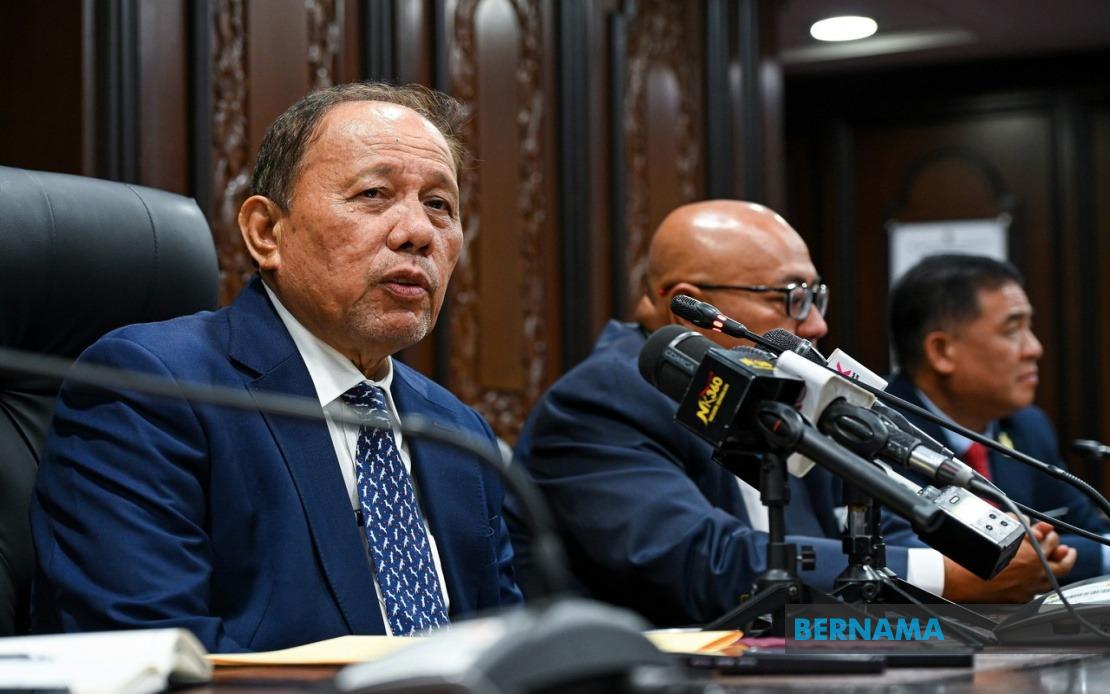
Negeri Sembilan will maintain a freeze on residential assessment tax increases for the next five years, Menteri Besar Datuk Ismail Lasim announced following the State Executive Council's inaugural meeting. The decision, made at Exco's sitting on Aug 10, represents a commitment to lighten the financial load on homeowners across the state, aligning with campaign promises made during the recent 16th state election.
The freeze applies to rates charged by local authorities across Negeri Sembilan, though the underlying assessment system itself will remain operational. Previously, local government bodies had been studying a potential rate adjustment scheduled for implementation in either January or July. That proposal has now been shelved for a half-decade, providing households with budgeting certainty and protecting middle-income earners from rising property-related expenses at a time when cost pressures persist across Malaysia's residential sector.
Ismail framed the decision as integral to the Barisan Nasional's electoral manifesto, reflecting the coalition's focus on cost-of-living concerns that dominated recent state-level campaigns. The timing is significant: with Negeri Sembilan holding state elections every few years, the government is signalling early commitment to fiscal responsibility and demonstrating responsiveness to voter expectations regarding household expenses. For residents in the state, this translates to predictable property tax obligations over the medium term, a stabilizing factor in household financial planning.
The announcement comes as Negeri Sembilan prepares for its legislative machinery to formally commence operations. The First Special Session of the 16th State Legislative Assembly will convene on Aug 18, a gathering that extends beyond ceremonial proceedings. The sitting will witness the formal swearing-in of all state assemblymen, an essential constitutional requirement, while also addressing the appointment of key parliamentary positions including the State Assembly Speaker and Deputy Speaker.
Ismail clarified the appointment protocols for these leadership roles, explaining that the Speaker position will be filled by someone from outside the State Legislative Assembly's membership, departing from the traditional practice in some legislatures. The Deputy Speaker, conversely, must be selected from sitting state assemblymen. While the government has already identified candidates for the Deputy Speaker role—to be announced within the week—the Speaker appointment remains under deliberation, suggesting ongoing negotiations within the coalition about representation and factional interests among constituent parties.
Beyond the five-year assessment tax commitment, Ismail emphasized that the Aug 18 session will table an additional budget allocation to address outstanding financial requirements. The specifics of this supplementary budget remain undisclosed, but such provisions typically address shortfalls in infrastructure development, essential services, or economic initiatives that require immediate funding beyond regular annual appropriations. This move indicates the state government is attempting to balance cost-relief measures for residents with continued public investment.
In his address to Exco members, Ismail set forth expectations regarding governance standards and operational excellence. He underscored the necessity for all portfolio holders to discharge their responsibilities with unwavering dedication, integrity, and professionalism. This emphasis on collective performance signals the Menteri Besar's intent to establish clear accountability mechanisms and ensure that the administration functions as a cohesive unit rather than as isolated departmental fiefdoms. Such messages are particularly important in Malaysian state governments, where coalition partners sometimes maintain distinct operational cultures and agendas.
Ismail further stressed that each Exco member must provide decisive leadership within their assigned portfolios while maintaining strict alignment with overarching state government objectives. This balancing act—granting autonomy to ministers while demanding conformity to broader policy direction—reflects the inherent tensions in Malaysian coalition governance. Departments and agencies operating under different ministers must coordinate effectively, a challenge compounded when coalition partners represent divergent political interests or constituencies.
The assessment tax freeze carries broader implications for Negeri Sembilan's fiscal planning and municipal financing. Local authorities depend on assessment revenue to fund local infrastructure, maintenance, and services. By preventing rate increases for five years, the state government is implicitly constraining municipal governments' ability to respond to inflation, rising maintenance costs, and new service demands. This could necessitate state-level subsidies or creative financing approaches to ensure local councils remain functional and responsive to constituent needs.
For Malaysian property owners and investors monitoring state-level residential policy, Negeri Sembilan's decision offers competitive positioning within the broader national property market. States with lower or frozen property taxes may attract residents seeking to minimize housing-related expenses, a consideration particularly relevant for middle-income families and retirees. However, the longer-term sustainability of this freeze depends on whether alternative revenue sources or cost efficiencies can compensate for foregone assessment tax growth as the state economy develops and urban areas expand.
The five-year horizon itself merits analysis. This timeframe extends beyond a typical single electoral cycle in Malaysian politics, suggesting the government is betting on sustained coalition control and public support. Should electoral dynamics shift substantially before 2029, a successor administration could revisit this commitment. Nevertheless, the announcement demonstrates how state governments use populist fiscal measures to build political capital and differentiate themselves from competitors within Malaysia's federal system, where state elections increasingly serve as referendums on national coalition health.
With the legislative session set to formalize the administration's structures and financial commitments, Negeri Sembilan is positioning itself as an administrator prioritizing household affordability while maintaining government operations and development agendas. The coming weeks will reveal whether the supplementary budget and Exco coordination mechanisms can deliver on these dual promises without compromising the state's medium-term development priorities or burdening local authorities with unfunded service obligations.

