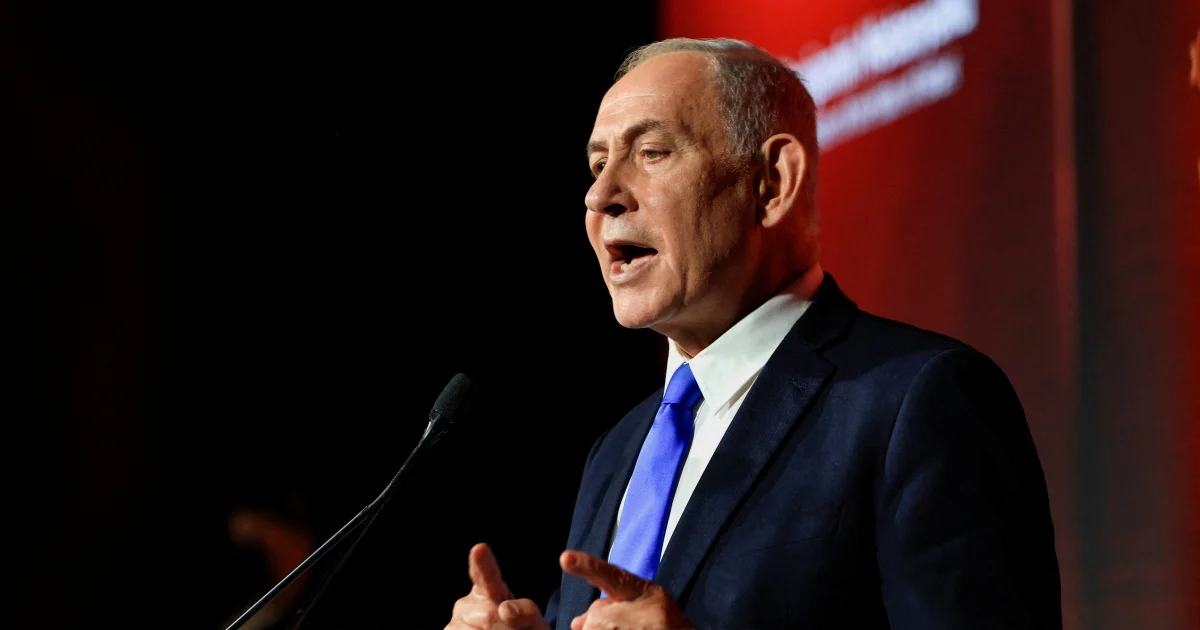
Israeli Prime Minister Benjamin Netanyahu declared on Sunday that his country's military forces would maintain their presence in southern Lebanon for as long as conditions warrant, a statement with potentially significant implications for regional stability and the ongoing security situation in the Levant. The announcement underscores Israel's intention to extend its military footprint beyond any near-term ceasefire or diplomatic settlement, signalling that Jerusalem views the security threats emanating from southern Lebanon as persistent enough to justify sustained armed operations.
Netanyahu's pronouncement carries particular weight given the long history of Israeli military interventions in Lebanon and the complex web of actors operating across Lebanon's border regions. Southern Lebanon has historically served as a base for militant groups opposing Israel, and the current security environment reflects decades of tension between Israeli interests and the presence of organisations designated as terrorist entities by multiple Western nations. By stating that Israeli forces would remain "as long as necessary," Netanyahu is essentially keeping open-ended Israel's timeline for withdrawal, a formulation that could span months or years depending on how Israeli leadership defines the achievement of its security objectives.
For Malaysia and broader Southeast Asian observers, Netanyahu's statement illustrates the persistent nature of Middle Eastern conflicts and how regional military commitments can become entrenched despite initial expectations for rapid resolution. The indefinite language employed by the Israeli Prime Minister echoes similar commitments made by other nations in extended military engagements, suggesting that exit strategies in such operations remain nebulous and subject to shifting security assessments. This pattern of extended occupation has historically proven problematic for international stability and frequently generates renewed cycles of violence.
The timing of Netanyahu's declaration occurs against a backdrop of regional tensions that extend well beyond Lebanese borders. His simultaneous reiteration of Israel's commitment to preventing Iranian nuclear development demonstrates how Israeli security strategy integrates multiple strategic concerns—immediate threats from non-state actors in Lebanon alongside longer-term concerns about Iranian regional power. These dual security preoccupations suggest that Israeli military planning encompasses both tactical operations in southern Lebanon and broader strategic considerations regarding Iranian capabilities and influence throughout the Middle East.
The prospect of indefinite Israeli military presence in Lebanon raises complex questions about international law and the rights of sovereign nations to maintain territorial integrity. Lebanon, already economically devastated and politically fractured, faces the reality of hosting foreign military forces without clear parameters for their departure. This situation creates humanitarian and political challenges that could further destabilise the country and potentially displace additional civilian populations, issues that carry humanitarian dimensions relevant to international observers including those in Southeast Asia.
Regional powers, including Syria and various Lebanese political factions, will likely view Netanyahu's commitment with considerable concern. An open-ended Israeli military presence in southern Lebanon could be interpreted as a precursor to more permanent territorial control or at minimum a significant military incursion into Lebanese sovereignty. Such developments could trigger compensatory actions by other regional actors seeking to restore balance or protect their interests, potentially escalating conflicts rather than containing them.
From an economic perspective, continued Israeli military operations in southern Lebanon could further damage Lebanon's already fragile economy and complicate reconstruction efforts. Civilian infrastructure faces ongoing risks, and the diversion of Lebanese government resources toward responding to military incursions reduces funds available for essential services and economic development. For a nation already experiencing severe economic crisis, such military pressure adds another destabilising layer.
Netanyahu's statement also carries implications for international diplomatic efforts aimed at resolving the Israeli-Lebanese security situation. If Israeli forces remain indefinitely, diplomatic solutions become more difficult to negotiate, as they require establishing clear timelines and frameworks for military withdrawal. The ambiguous language used by Netanyahu potentially complicates mediation efforts by international actors or regional powers seeking to broker sustainable peace arrangements. Without specified conditions or timelines for withdrawal, other parties lack benchmarks against which to measure progress or commitment.
The inclusion of Iran in Netanyahu's Sunday remarks demonstrates how Israeli security threats are perceived as interconnected across multiple domains. Iran's nuclear programme, Hezbollah's presence in Lebanon, and other regional security challenges form an integrated strategic concern in Israeli threat assessment. This perspective shapes Israeli military decision-making and could influence how long Netanyahu's government maintains forces in southern Lebanon, as broader Iranian actions and nuclear negotiations could affect the timeline for operations in Lebanese territory.
For Malaysia and Southeast Asian nations maintaining diplomatic relations with multiple Middle Eastern parties, Netanyahu's announcement illustrates the complexity of regional balance-of-power dynamics. As nations in this region pursue economic partnerships and security relationships across the broader Middle East, they must navigate an environment where major powers pursue extended military commitments that could destabilise markets and create humanitarian crises. Understanding Israeli strategic thinking and regional military commitments helps Southeast Asian policymakers assess potential spillover effects and make informed decisions regarding their own Middle Eastern engagements.
Looking forward, Netanyahu's commitment to indefinite presence suggests that the southern Lebanon security situation will remain a defining challenge for regional stability. Whether through diplomatic resolution, military escalation, or other means, the trajectory of Israeli forces in Lebanon will significantly influence Middle Eastern geopolitics for years to come. The statement serves as a reminder that contemporary security challenges in the region remain unresolved and potentially entrench further the military dynamics that have characterised the Israeli-Lebanese relationship for decades.