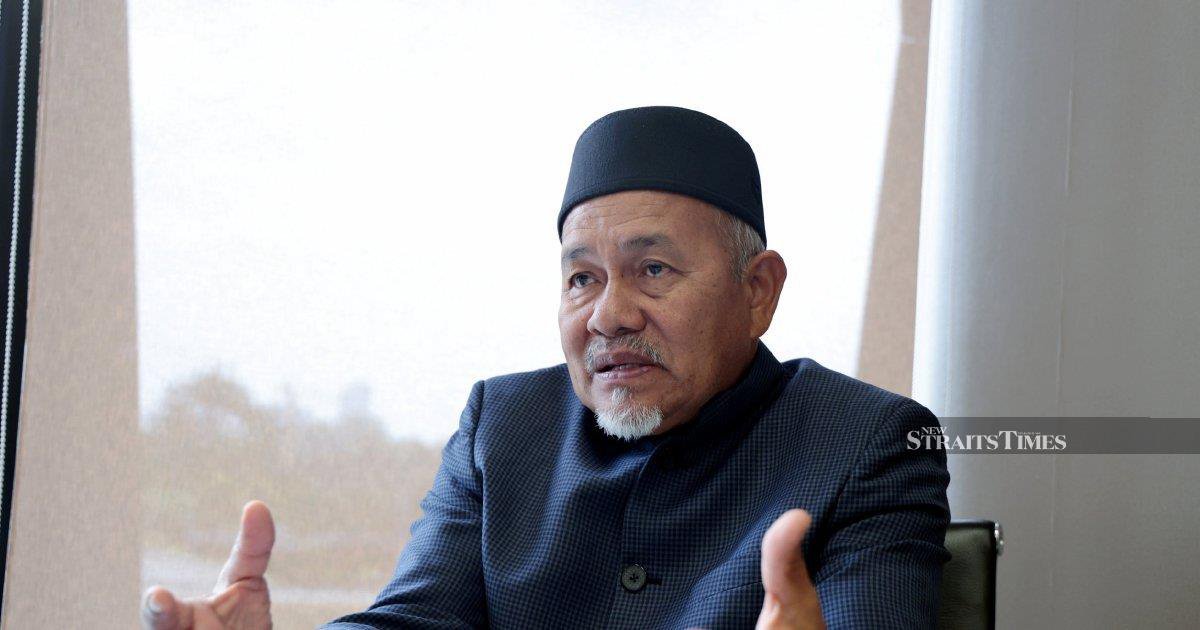
The Islamic party PAS has indicated it is receptive to exploratory talks regarding deeper cooperation frameworks between the Perikatan Nasional and Barisan Nasional coalitions at the national level, potentially extending such arrangements to electoral contests in Melaka and national governance structures. The development represents a potentially significant shift in Malaysia's political landscape, where coalition dynamics have remained fluid and competitive since the 2022 general election fundamentally reconfigured parliamentary alignments and state-level power structures.
PAS's openness to dialogue comes as Malaysia's political landscape continues to stabilise following years of unprecedented volatility. The emergence of the Perikatan Nasional coalition, initially comprising PAS and the Bersatu-led alliance, disrupted traditional two-coalition politics that had defined Malaysian elections since 1999. By signalling flexibility on partnership expansion, PAS appears positioned to leverage its increased political bargaining power derived from strong electoral performance and growing organisational reach across multiple demographic constituencies.
The proposition to replicate the Negri Sembilan electoral model in other contexts merits closer examination. That state's configuration reflects careful negotiation between coalition partners regarding seat allocations, campaign resource deployment, and candidate selection protocols. Extending such frameworks to Melaka—which remains politically contested with significant representation from multiple coalitions—would require substantial groundwork and compromise on candidate nominations, a perennially contentious issue in Malaysian coalition politics where parties frequently clash over high-profile constituencies.
At the federal level, expanding PN-BN cooperation introduces complex constitutional and parliamentary implications. Malaysia's government requires sustained parliamentary majorities to implement legislative agendas and navigate budget cycles. Current coalition arrangements already command parliamentary control, yet deeper institutional integration could reshape ministerial portfolios, committee assignments, and policy coordination mechanisms. The federal government's composition and strategic direction might shift substantially if such arrangements formalise into binding governance frameworks rather than remaining limited electoral agreements.
For Melaka specifically, the state has experienced considerable political turbulence with multiple changes of administration and coalition compositions in recent years. Implementing a unified PN-BN electoral strategy would represent an attempt to arrest such instability by consolidating opposition to Pakatan Harapan's continued state administration. However, the state's complex demographic composition and diverse electoral preferences suggest such attempts face inherent limitations unless accompanied by genuine policy convergence and effective campaign coordination addressing voter priorities around economic opportunity and public service delivery.
The timing of PAS's openness reflects broader strategic calculations within Malaysian coalition politics. With another general election potentially approaching within the next two years, parties anticipate positioning themselves for electoral advantage. PAS, having substantially increased parliamentary representation compared to previous electoral cycles, likely seeks to institutionalise its elevated status through expanded partnership arrangements that guarantee influence over candidate selection and policy priorities. Such positioning aligns with the party's trajectory of increasing political centralisation and electoral competitiveness.
PAS's signals also reflect internal party dynamics where senior leadership has pursued closer coordination with Bersatu and other PN components while maintaining pragmatic relationships with BN parties, particularly UMNO. This balancing act requires careful calibration, as excessive alignment with either coalition risks alienating significant constituency segments. Suggesting openness to broader cooperation allows PAS leadership to maintain negotiating flexibility while demonstrating dynamic engagement with evolving political circumstances.
The proposition raises important considerations for Malaysian democratic governance and coalition stability. If electoral cooperation expands substantially while governance coordination remains limited, citizens may experience increasingly prescriptive campaign landscapes dominated by pre-arranged coalition geometries rather than genuine inter-party competition facilitating voter choice. Conversely, deeper institutional integration could enhance policy coherence and administrative efficiency if coalition partners achieve substantive ideological or programmatic alignment.
Regional and international observers monitor such developments closely given Malaysia's significance within Southeast Asia's political economy. Coalition dynamics influence policy priorities regarding investment climate, regional engagement, and economic orientation. Expanded PN-BN cooperation might signal particular directional commitments on trade partnerships, Islamic governance frameworks, or developmental priorities that shape Malaysia's regional positioning and bilateral relationships.
For ordinary Malaysians, these political calculations translate into concrete implications regarding electoral competitiveness, policy direction, and governance quality. Voters in potentially affected constituencies should anticipate campaigns framed around broader coalition narratives rather than distinctly local priorities, even as local representatives attempt differentiating platforms. Additionally, institutional arrangements at state and federal levels may experience restructuring as coalition partners negotiate optimal distribution of administrative responsibilities and resource allocation.
The willingness PAS has demonstrated invites counterparty responses from BN leadership and PN components. UMNO's approach proves particularly significant given its traditional dominance within BN structures and its complex relationship with both PAS and Bersatu. UMNO leadership must weigh benefits of formalised cooperation against risks of institutional subordination to numerically stronger coalition partners or diffusion of party identity. Such calculations shape whether exploratory discussions mature into binding arrangements or remain limited to informal coordination.
Moving forward, Malaysian politics appears positioned for either deeper coalition integration or continued pragmatic electoral cooperation without governance restructuring. The distinction matters enormously for voters contemplating democratic accountability, institutional effectiveness, and their collective capacity to influence national direction through electoral participation. PAS's current positioning suggests it remains open to evolving arrangements contingent upon securing substantive influence over electoral strategies and policy determinations.

