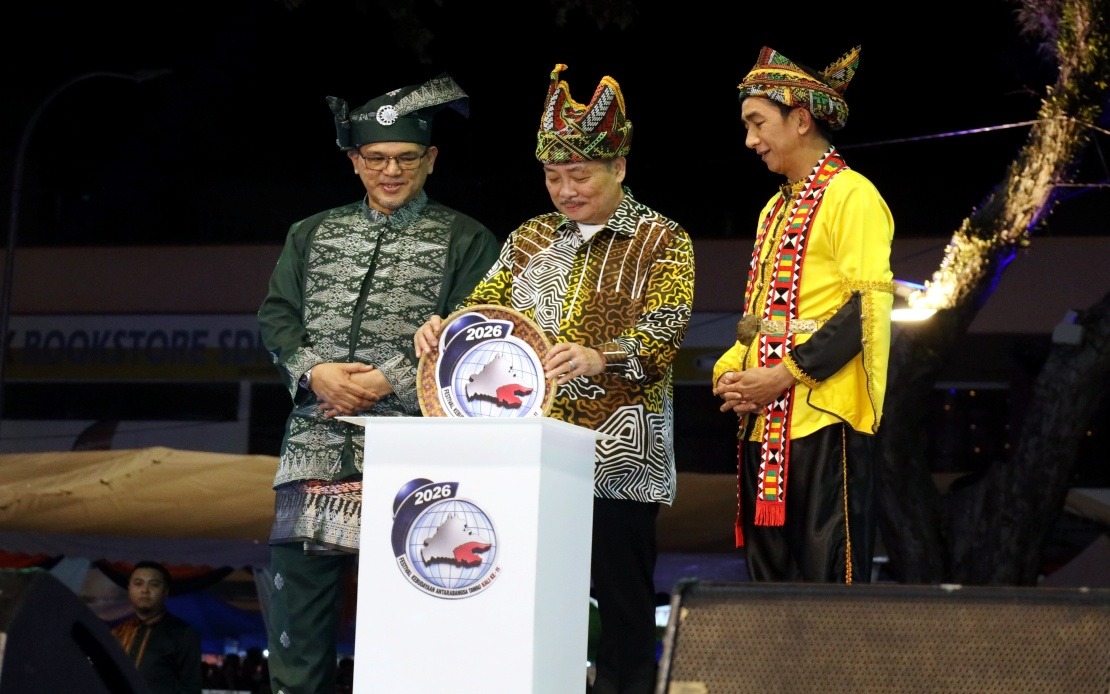
The 11th International Tawau Cultural Festival (FKAT) 2026 is cementing the eastern Sabahan city's reputation as a dynamic cultural tourism destination, drawing increasing numbers of travellers and international delegations seeking authentic Southeast Asian experiences. Sabah Chief Minister Datuk Seri Hajiji Noor made these remarks during the festival's opening ceremony, underlining the event's strategic importance to the state's broader tourism ambitions and economic development strategy.
Hajiji characterised FKAT as more than a seasonal celebration, positioning it instead as a deliberate platform designed to broadcast Sabah's rich tapestry of multi-ethnic cultural expression to a global audience. The festival's distinct identity, he argued, stems from its genuine representation of the state's diverse communities and their traditions, offering visitors an immersive encounter with living heritage rather than merely historical artefacts. This approach resonates with growing international demand for authentic cultural experiences that showcase community participation and local authenticity, a market segment that Malaysian tourism authorities have increasingly prioritised.
The festival's pulling power extends across geographical borders. Participants from Kazakhstan, Uzbekistan, Cambodia and Indonesia have travelled to Tawau to engage with the celebrations, reflecting the event's growing international profile and its appeal within the broader East and Southeast Asian tourism circuit. For a border town like Tawau, this cross-border cultural exchange holds particular significance, leveraging the city's geographic position as a junction point for regional cooperation and diplomatic engagement through cultural channels. The presence of Central Asian delegations is particularly noteworthy, suggesting that FKAT's organisers have successfully tapped into emerging tourism markets beyond the traditional Southeast Asian circuit.
Culture, in Hajiji's framing, functions as both a preservationist endeavour and an economic asset requiring active stewardship. He emphasised that cultural heritage cannot be treated merely as historical legacy consigned to archives or museums, but must instead be continuously revitalised and transmitted to younger generations through living practice and public celebration. This philosophy aligns with contemporary thinking in cultural policy circles, where heritage preservation is increasingly understood as inseparable from economic development and community wellbeing. By positioning culture as an inheritance demanding investment and active management, Hajiji's remarks signal the state government's commitment to preventing cultural erosion amid globalisation pressures.
Beyond symbolic unity, the festival generates tangible economic dividends for Tawau's service economy. Small business operators, including accommodation providers, artisans, traders and hospitality workers, have experienced measurable income gains through festival-related activities and increased visitor traffic. This multiplier effect—where cultural events generate secondary economic benefits throughout local communities—has proven particularly valuable for smaller cities where tourism diversification is essential to economic resilience. The homestay sector, in particular, has benefited from international visitors seeking immersive local experiences, creating income pathways for family-run enterprises that might otherwise lack market access.
The festival's timing aligns strategically with Malaysia's broader Visit Malaysia Year 2026 initiative and Sabah's dedicated Visit Sabah Year 2027 campaign. These coordinated tourism promotion cycles represent a concerted effort to position the country and the state as premier regional destinations during a critical period of post-pandemic tourism recovery and competition for international visitor expenditure. FKAT serves as an anchor event within this larger promotional architecture, providing concrete programming that justifies international marketing investments and gives media narratives a substantive local focus. The state government's intensification of community-based tourism initiatives and international campaign promotion suggests recognition that cultural tourism requires simultaneous efforts at grassroots activation and top-tier diplomatic marketing.
The festival's role in mediating interethnic relations deserves particular attention within Malaysia's political context. In a nation where communal harmony remains a central governance concern, FKAT functions as a practical demonstration of pluralistic coexistence through collaborative cultural expression. Rather than relegating different ethnic traditions to separate spheres, the festival creates spaces for simultaneous visibility and mutual appreciation, positioning cultural diversity as a source of strength and attraction rather than potential friction. This symbolic work—alongside the economic benefits—makes FKAT a politically valuable platform for state governments seeking to reinforce national unity narratives.
Government support for ethnic organisations' cultural preservation efforts represents a significant commitment of state resources and institutional backing. By pledging continued assistance to these groups in managing customs, arts and heritage, the government creates formal infrastructure supporting cultural transmission at the community level. This institutional engagement can prove crucial during periods when globalisation and urbanisation pressure young people toward dominant culture assimilation. Formal recognition and support from government bodies can enhance the status and viability of minority cultural practices, making participation more attractive and resource-constrained organisations more sustainable.
For Malaysian and Southeast Asian policymakers observing Sabah's approach to cultural tourism development, FKAT offers instructive lessons about integrating heritage preservation with economic development strategies. The model demonstrates how festivals can function simultaneously as cultural safeguards, economic engines, diplomatic platforms and national unity reinforcements. As other Malaysian states and neighbouring countries develop their own cultural tourism initiatives, Tawau's experience suggests that success requires genuine community participation, international positioning, strategic temporal alignment with larger tourism campaigns and sustained government institutional support. The festival's eleventh edition indicates not a novelty event but an established component of regional tourism infrastructure, suggesting that institutional embedding of cultural events enhances their sustainability and impact.

