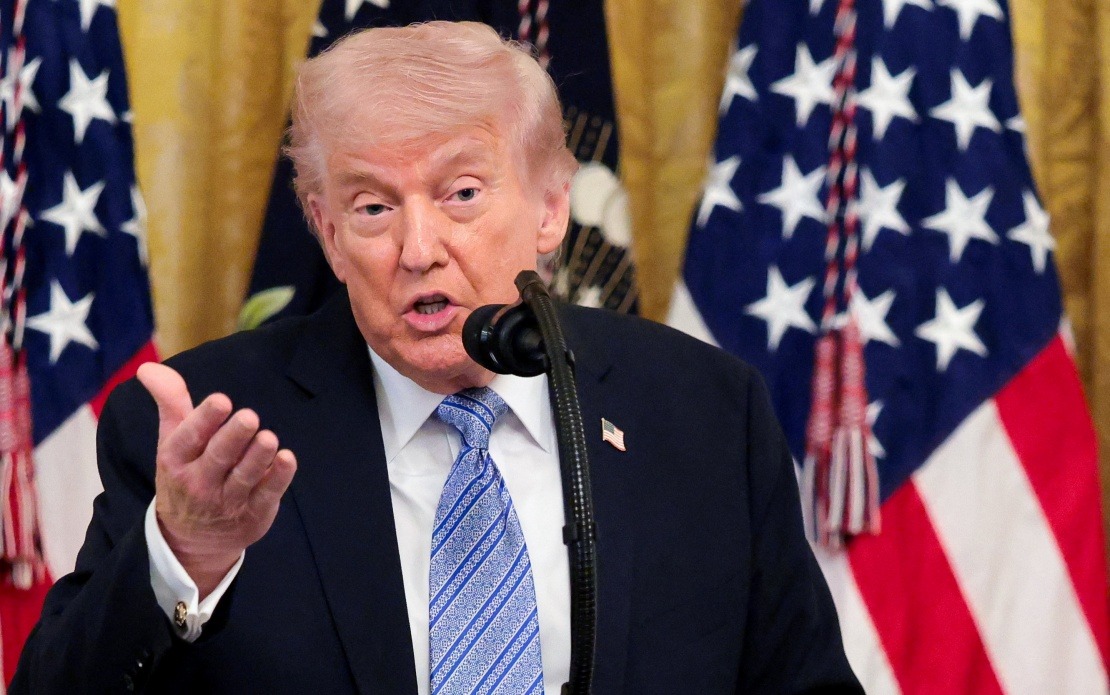
President Donald Trump announced on Tuesday that the United States has halted all negotiations with Iran and has no scheduled talks with Tehran, marking a significant reversal in diplomatic engagement between the two nations. The declaration, posted on his Truth Social platform, came amid reports that Trump had directly instructed his top administration negotiators to cease their communications with the Islamic Republic. This abrupt shift underscores the volatile nature of US-Iran relations and raises questions about America's strategic direction in the Middle East at a time when regional stability remains fragile.
According to multiple reports, Trump issued instructions to Vice President JD Vance and key envoys Steve Witkoff and Jared Kushner to disengage from Tehran following what observers described as a series of promising preliminary discussions. The reversal is particularly striking given that Kushner had publicly stated just days earlier that communications between Washington and Iran had become "more robust" than ever before. This contradiction reflects the unpredictable nature of Trump administration policymaking and raises concerns among regional observers about the sustainability of any future agreements.
Concurrently with announcing the cessation of talks, Trump reiterated that the United States maintains full operational control of the Strait of Hormuz through its naval blockade. He stated that the waterway, through which approximately one-third of global maritime petroleum trade transits, remains open and secure. Trump also claimed that all water mines in the region have been removed or detonated, assertions that underscore the military dimension of Washington's Iran policy alongside its diplomatic stalling.
The timing of this announcement carries particular significance for Southeast Asian nations, especially Malaysia and Singapore, which depend heavily on unrestricted passage through the Strait of Hormuz for energy supplies and trade. Any prolonged military confrontation in the region could disrupt shipping lanes critical to regional economies and drive up global oil prices, affecting energy costs throughout the ASEAN bloc. Malaysia, in particular, has longstanding commercial ties to Iran and has sought to maintain balanced relations with both the United States and Tehran.
White House officials, according to CNN reports citing administration sources, have recently shifted their strategic messaging regarding Iran policy. The new approach abandons the earlier rhetoric of swift military action—described in internal communications as "hammer Iran ASAP"—in favour of a longer-term containment strategy framed as "strangle them" over time. This linguistic shift reveals a deliberate pivot toward sustained economic and diplomatic pressure rather than immediate confrontation, suggesting that while negotiations have ceased, military escalation may also be forestalled for the present moment.
The diplomatic breakdown comes after a tumultuous period of escalating tensions. In April, Tehran and Washington had reached a ceasefire agreement, followed by a memorandum of understanding signed in June that both sides characterized as aimed at ending military conflict and establishing a durable peace framework. However, this arrangement collapsed last month, precipitating nearly two weeks of tit-for-tat attacks between American and Iranian forces. Trump halted the bombardment campaign abruptly, ostensibly to preserve prospects for reviving negotiations, though those efforts now appear to have failed or been deliberately abandoned.
Kushner's presence in Israel on Monday, where he met with Prime Minister Benjamin Netanyahu to discuss regional matters including the Gaza Strip, suggests that broader Middle Eastern considerations factor into Trump's Iran decision. Israeli interests in constraining Iranian regional influence have consistently shaped American Middle East policy, and Netanyahu's government has historically opposed diplomatic overtures toward Tehran. The coordination between Washington and Jerusalem on Iran policy matters significantly for the entire region, particularly for nations like Malaysia that seek to maintain pragmatic relationships across the geopolitical divide.
The implications of Trump's decision extend beyond immediate US-Iran relations. For Southeast Asian nations pursuing balanced foreign policies, the unpredictability of American commitments to diplomacy creates complications. Malaysia and other ASEAN members have advocated for conflict resolution through dialogue and multilateral mechanisms, making the United States' abandonment of negotiations troubling from a broader conflict-resolution perspective. Regional stability depends partly on major powers engaging in sustained diplomatic efforts rather than oscillating between negotiation and confrontation.
Iranian observers and analysts will likely interpret Trump's move as confirmation that negotiations under the current American administration remain unlikely to succeed, potentially hardening Tehran's own strategic calculations. This could lead Iran to pursue alternative partnerships, strengthen its ties with Russia and China, or adopt more assertive postures in regional disputes. Such developments would reshape the geopolitical landscape that Southeast Asian nations must navigate, particularly regarding energy security and maritime commerce.
The decision also reflects Trump's broader foreign policy approach, which prioritizes maximalist demands and unilateral pressure over sustained diplomatic engagement. This style, while sometimes producing short-term tactical advantages, often complicates longer-term strategic objectives and creates unpredictability that international partners find difficult to navigate. For Malaysia and other ASEAN nations that benefit from predictable great power behaviour, such volatility introduces risks into their own strategic planning.
Moving forward, the region will watch whether Trump's cessation of talks represents a temporary tactical pause or a fundamental rejection of engagement with Iran. Regional actors, including Malaysia, must prepare for the possibility of prolonged US-Iran antagonism while simultaneously protecting their own interests in maintaining open communication channels across both sides. The Strait of Hormuz's status as a critical global chokepoint means that any sustained military confrontation would have immediate economic consequences felt across Southeast Asia's shipping and energy sectors.

