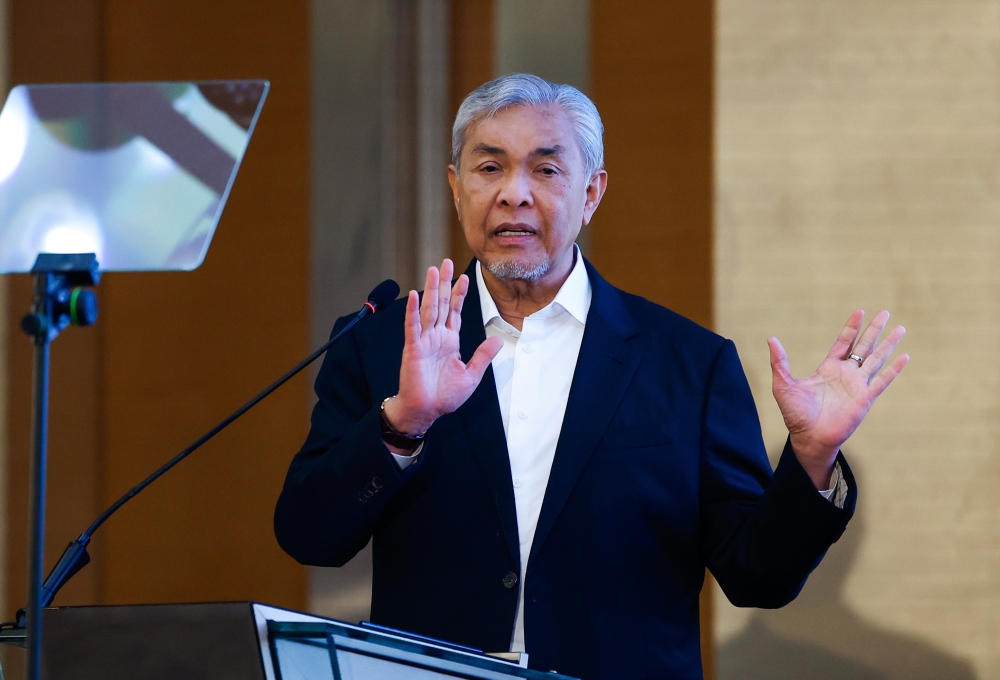
Deputy Prime Minister Ahmad Zahid Hamidi has suggested that the Royal Commission of Inquiry investigating Tabung Haji should broaden its mandate to encompass the fund's recovery phase in addition to examining the period when losses occurred. Speaking in Seremban on July 30, Zahid indicated that the Cabinet had put forward a proposal to extend the investigative scope beyond simply identifying how the Islamic pilgrimage fund suffered substantial financial damage. The proposal reflects growing recognition within government that a comprehensive understanding of Tabung Haji's troubles requires examining not just what went wrong, but how management has attempted to rectify the situation.
Tabung Haji has faced significant scrutiny following the discovery of substantial losses that prompted widespread concern among the millions of Malaysian Muslims who maintain accounts with the fund. The precise origins of these losses and the institutional failures that allowed them to accumulate became a matter of urgent national importance. An RCI was established to investigate these failings and determine accountability. However, the initial terms of reference focused narrowly on the period when losses mounted, potentially leaving questions about recovery efforts and post-crisis management outside formal investigative scrutiny.
Zahid's proposal to include the recovery period within the RCI's purview addresses a logical gap in the investigation framework. By examining how management has responded to identified problems, the inquiry could assess whether remedial measures are genuinely addressing root causes or merely applying superficial fixes. This extended scope would enable the RCI to evaluate the effectiveness of governance reforms implemented since the crisis became public, and whether accountability mechanisms introduced actually prevent recurrence. Such comprehensiveness strengthens public confidence that the inquiry produces actionable recommendations rather than simply documenting historical failures.
The suggestion also carries implications for stakeholder confidence. Tabung Haji serves as a critical financial instrument for millions of Malaysians preparing for the Hajj pilgrimage, one of Islam's Five Pillars. These depositors have legitimate interests in understanding not only how their savings were jeopardised but whether institutional changes have adequately protected their funds going forward. An RCI that examines recovery efforts can address these concerns more thoroughly than one limited to investigating the crisis period. This broader mandate potentially restores depositor confidence by demonstrating that scrutiny extends to examining whether management's corrective actions are sufficient and genuine.
The Cabinet's consideration of expanded terms of reference also reflects political awareness of public expectations regarding accountability. Malaysians have become increasingly attentive to governance failures within state institutions, particularly those entrusted with national assets or public savings. By proposing that the RCI examine recovery efforts, government leadership signals willingness to subject institutional management to comprehensive rather than limited review. This approach may help address lingering concerns that investigations could focus narrowly on assigning blame for past failures while avoiding examination of whether systemic problems have been genuinely resolved.
From a practical standpoint, extending the RCI review to encompass recovery presents both opportunities and complications. The inquiry could examine whether new management structures introduced since the crisis actually function as intended, whether internal controls have been strengthened sufficiently, and whether governance procedures now comply with international standards for fund management. Simultaneously, investigators must balance thoroughness against the practical reality that extending timeframes can delay final recommendations and delay implementation of necessary reforms. The proposed expansion therefore requires careful calibration to ensure the RCI remains focused while developing a genuinely complete picture.
The proposal also positions the inquiry within Malaysia's broader conversation about institutional accountability and governance reform. Regional neighbours including Singapore and Indonesia have undergone similar processes examining major fund management failures, with varying degrees of success in implementing recommendations. An RCI examining both crisis and recovery phases aligns with international best practices that recognise institutional failures require systemic examination beyond identifying individual wrongdoing. This positions Malaysia within global standards for investigating financial mismanagement while addressing legitimate local concerns about Tabung Haji's future.
For depositors and the Malaysian Muslim community, this development suggests that investigation into Tabung Haji will provide comprehensive rather than partial answers about institutional failures. The pilgrimage fund remains essential to millions of Malaysians, and confidence in its management is paramount. An inquiry extended to examine recovery efforts directly addresses whether this confidence can be restored on a durable basis. The proposal indicates that government bodies are considering not just historical accountability but future institutional resilience.
The Cabinet's contemplation of expanded RCI terms reflects recognition that comprehensive institutional reviews serve multiple functions beyond identifying past failures. They establish baselines for current performance, evaluate whether management responses are proportionate and effective, and provide frameworks for ongoing oversight. By examining both crisis and recovery phases, the RCI into Tabung Haji could position itself as a model for how Malaysia investigates major institutional failures while maintaining focus on practical outcomes that strengthen governance and protect public assets.

