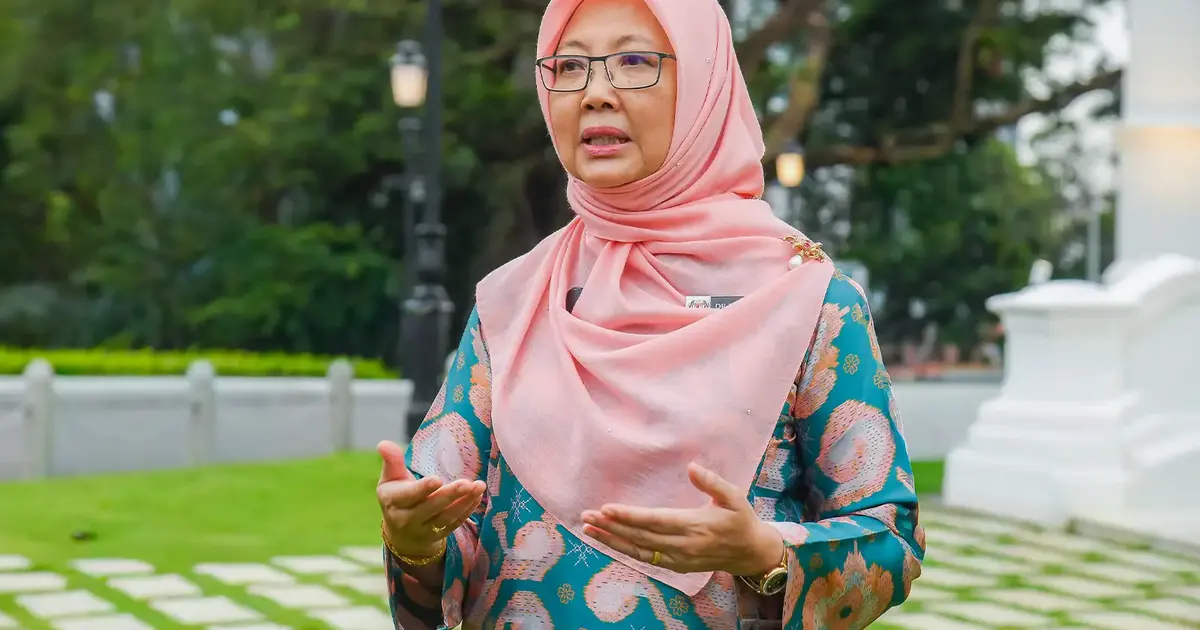
PKR vice-president Zaliha has expressed bewilderment at Johor Barisan Nasional chairman Onn Hafiz Ghazi's insistence that Pakatan Harapan name a specific poster boy to lead the coalition's campaign in upcoming Johor state elections. She pointed out the fundamental flaw in his demand: there is no assurance that whoever is selected would eventually become menteri besar, making the exercise appear strategically premature and logically flawed.
Zaliha's criticism cuts to the heart of Malaysian electoral politics, where the selection of state leadership candidates has become increasingly complex. In the current political climate, the path from campaign frontrunner to chief minister is far from guaranteed, particularly in a state like Johor where coalitional dynamics remain fluid. The PKR leader's response suggests that PH is reluctant to publicly commit to a specific individual without clarity on post-election negotiations and power-sharing arrangements.
The demand from Onn Hafiz reflects a common opposition tactic in Malaysian politics—pushing rival coalitions to declare their hand early, thereby creating potential vulnerabilities and internal discord. By calling for PH to name a specific menteri besar candidate, the BN chairman may have been attempting to force premature commitments that could fracture the already delicate unity within the Harapan alliance. Zaliha's refusal to oblige suggests PH leadership is aware of such strategic pitfalls.
Johor presents a particularly sensitive battleground for both coalitions. The state has traditionally been a BN stronghold with deep historical ties to Umno, yet PH's 2018 federal victory demonstrated that even traditionally secure constituencies remain contestable. The 2022 federal elections and subsequent state polls have shown that Johor voters are willing to shift their allegiances, creating genuine uncertainty about the state's political direction.
The question of who leads a coalition's campaign versus who ultimately governs represents a critical distinction in Malaysian politics. Campaign figureheads generate popular appeal and mobilize voter enthusiasm, but final appointments depend on coalition negotiations, seat allocations, and agreements between partner parties. For a multi-party alliance like PH, which comprises PKR, DAP, Amanah, and other component parties, announcing a menteri besar candidate before achieving a clear electoral mandate could undermine internal cohesion.
Zaliha's position reflects broader PH strategy of maintaining flexibility in state-level leadership decisions. By refusing to be pressured into naming a poster boy prematurely, PH keeps its options open and avoids creating internal grievances among coalition partners who might harbor their own leadership ambitions. This approach, while perhaps less dramatic than a clear leadership declaration, allows the coalition to project unity while negotiating internal power arrangements.
For Malaysian voters, particularly those in Johor, this dynamic raises questions about electoral transparency and leadership accountability. Citizens generally prefer knowing who their potential leaders are before casting votes, yet the current system often keeps such decisions opaque until after elections conclude. Onn Hafiz's demand was framed around this legitimate voter interest, even if his underlying motivation was tactically opportunistic.
The BN chairman's strategy also reflects nervousness about PH's electoral prospects in Johor. Rather than focusing solely on BN's own positive messaging, attempting to extract vulnerabilities from opposition commitments suggests concern about the ruling coalition's ability to secure the state decisively. This defensive posturing indicates that while Johor remains important BN territory, the coalition cannot take it for granted.
Zaliha's response demonstrates that PH is maintaining discipline in facing opposition pressure tactics. Rather than responding emotionally or getting drawn into public commitments that could backfire, she questioned the logical foundation of Onn Hafiz's demand itself. This rhetorical approach—attacking the premise rather than defending against accusations—is a more sophisticated political strategy than simple denials.
For Southeast Asian observers, the Malaysian situation illustrates how coalition politics operates differently from two-party systems. In democracies with multiple major parties, post-election negotiations over leadership and power-sharing are routine and often lengthy. Malaysian voters have become increasingly accustomed to surprises after elections, when promised leaders are sometimes bypassed in favor of coalition compromise candidates.
The Johor elections, whenever they occur, will likely attract intense scrutiny from across Malaysia and the region. The state's significance extends beyond its local importance; outcomes in Johor often signal broader national trends and influence federal political calculations. For PH, maintaining coalition unity while projecting confidence requires exactly the kind of strategic ambiguity that Zaliha demonstrated in her response to Onn Hafiz.
Ultimately, whether PH eventually names a menteri besar candidate for Johor before or after elections will depend on internal coalition discussions and electoral momentum as polling day approaches. Onn Hafiz's demand, while superficially reasonable, reflects the ongoing power struggle between ruling and opposition coalitions over who controls the narrative and timing of political revelations in Malaysian electoral contests.