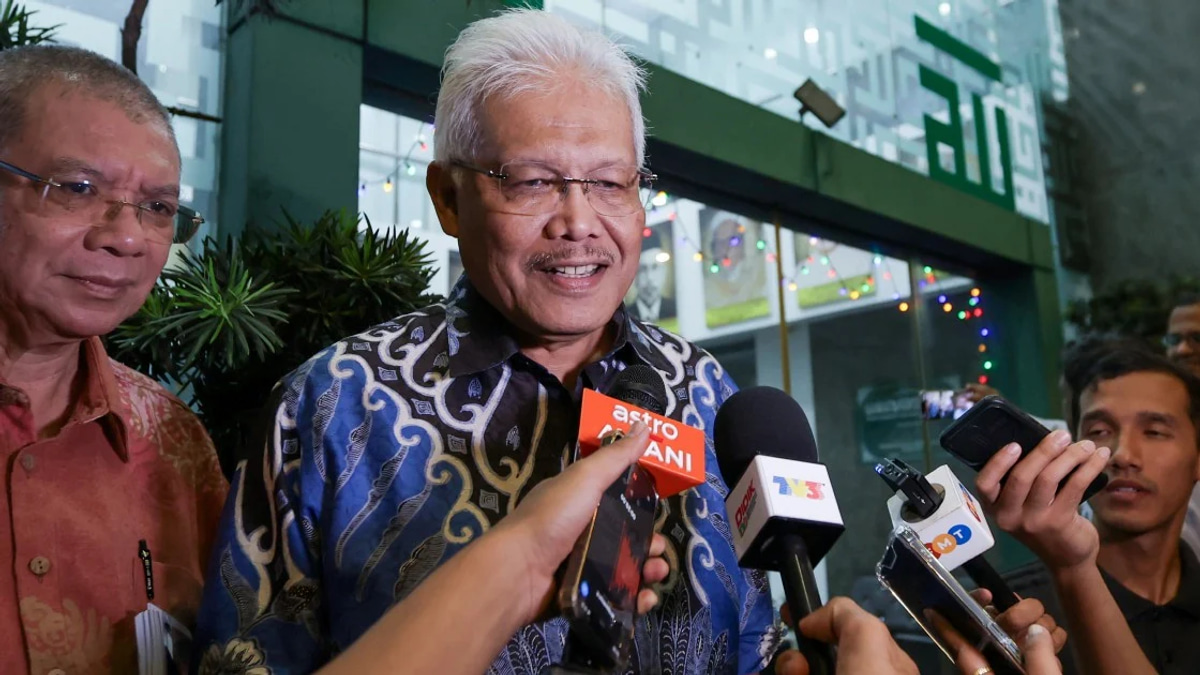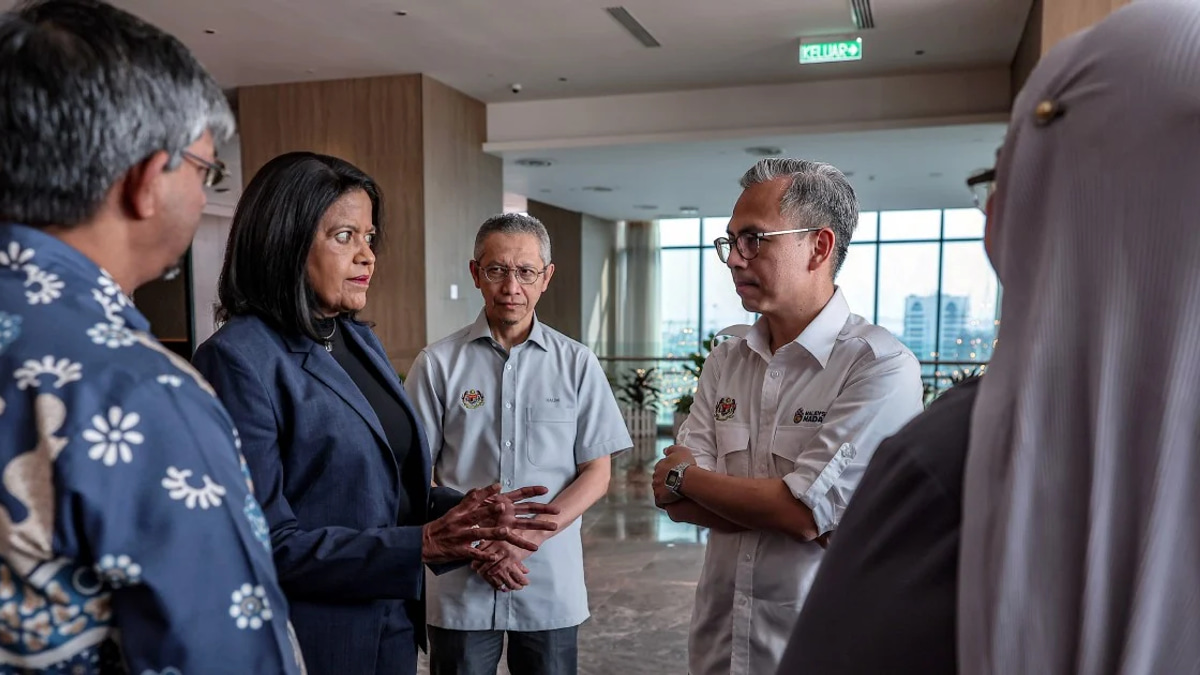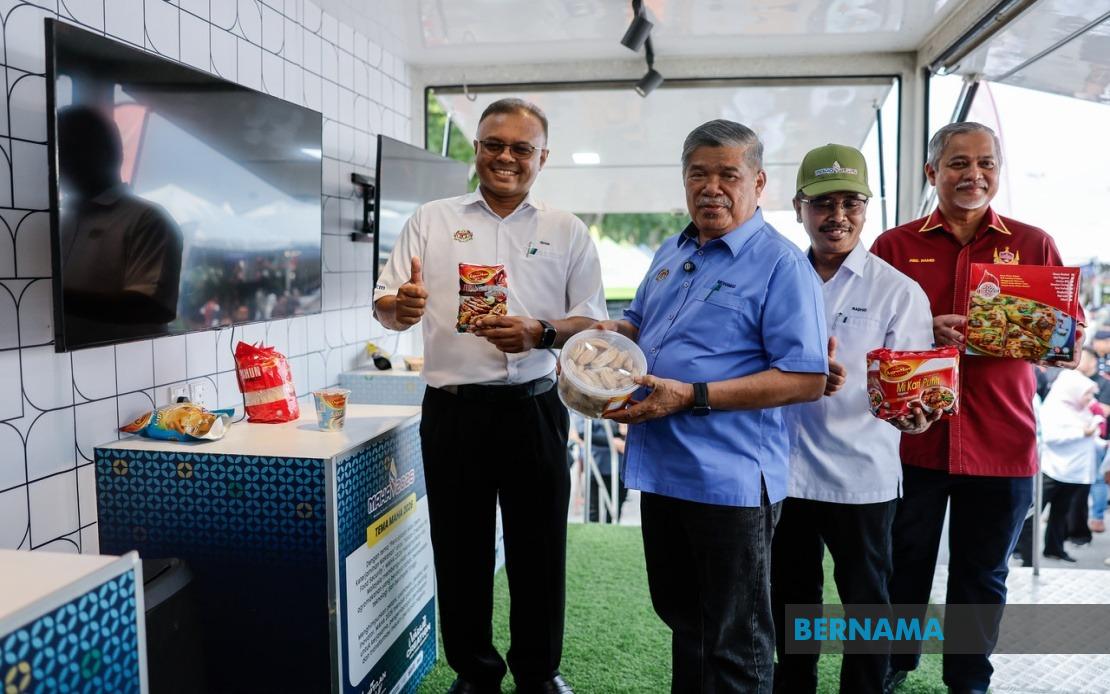
The Malaysia Agriculture, Horticulture and Agrotourism Show (MAHA) 2026 is set to become a landmark event in Southeast Asia's agricultural calendar by welcoming foreign exhibitors alongside domestic participants for the inaugural time. Agriculture and Food Security Minister Datuk Seri Mohamad Sabu announced that seven countries have already confirmed their participation in the biennial exhibition, representing a significant shift in the event's international profile and scope. The confirmed delegates include Brazil, China, the United States, Japan, South Korea, Hungary and China's Guangxi region, with additional nations such as Uzbekistan expressing strong interest in attending. This expansion signals Malaysia's commitment to fostering global agricultural cooperation and positioning the country as a regional hub for agribusiness and agricultural innovation.
The decision to introduce foreign participation stems from a recognition that food security transcends national borders and requires collaborative problem-solving on a global stage. Minister Mohamad emphasised this interdependence, noting that agricultural challenges rarely exist in isolation. When one nation faces production shortfalls or supply disruptions, neighbouring and distant countries often provide critical support through trade relationships and knowledge sharing. By creating a platform where international and local stakeholders converge, MAHA 2026 addresses this reality directly. The exhibition will serve as a tangible demonstration of how agricultural sectors can strengthen mutual resilience through technology transfer, best practice exchange, and commercial partnerships.
For Malaysian farmers, smallholder enterprises, and agribusiness companies, the presence of international exhibitors creates unprecedented opportunities for learning and business development. According to Datuk Isham Ishak, the Agriculture and Food Security Ministry's secretary-general, participants will gain exposure to cutting-edge agricultural technologies and methodologies that leading agricultural nations employ. Brazil's involvement, for instance, brings expertise in large-scale commodity production and tropical agriculture management. The United States and Japan contribute advanced mechanisation, precision farming techniques, and digital agricultural solutions. China and South Korea bring innovations in vertical farming, aquaculture, and biotechnology. These knowledge transfers can help local farmers modernise their operations, improve yields, and compete more effectively in regional and global markets.
The exhibition structure has been carefully designed to facilitate genuine commercial relationships between Malaysian and international participants. Business matching sessions will form a core feature, creating structured opportunities for local businesses to explore purchasing arrangements for foreign agricultural products, machinery, and services, while simultaneously allowing them to pitch Malaysian products and services to international buyers. This two-way trade facilitation model moves beyond passive product observation, transforming MAHA into an active dealmaking platform. For visitors, the international presence enriches the educational aspect of the show, allowing farmers, students, and agribusiness professionals to compare Malaysian agricultural approaches with global standards and identify areas for domestic improvement.
The timing of this international expansion coincides with the government's broader push to strengthen Malaysia's food security infrastructure and capabilities. In parallel with announcing the international participation, Minister Mohamad launched the Surveillance and Intervention Supply Demand Agrofood (SISDA), a sophisticated data analytics platform designed to modernise food system management. SISDA harnesses big data analytics, machine learning algorithms, and early warning systems to provide government agencies with real-time insights into agricultural supply conditions, demand patterns, and price movements across the nation. This technological advancement addresses persistent challenges in coordinating Malaysia's fragmented agricultural sector and identifying potential supply bottlenecks before they escalate into crises.
The SISDA system represents a fundamental shift in how the government approaches food security governance, moving from reactive crisis management to predictive intervention. By continuously monitoring supply conditions and price trends, the platform enables authorities to implement targeted policies that maintain food supply stability, protect consumer purchasing power through price management, and ensure farmers receive fair compensation for their output. This balance between affordability and farmer profitability has long been difficult to achieve, often forcing policymakers to choose between subsidising consumers or supporting agricultural producers. SISDA's analytical capabilities allow for more nuanced, evidence-based interventions that can benefit all stakeholders simultaneously.
For Malaysian consumers, the integration of international agricultural participation with advanced supply monitoring offers tangible benefits. Access to diverse agricultural products from multiple countries reduces dependence on single-source suppliers, mitigating risks from regional climate disruptions or pest outbreaks. At the same time, SISDA's monitoring capabilities help prevent exploitative price manipulation by ensuring transparency in supply conditions. Farmers can better understand market dynamics, allowing them to make informed planting decisions aligned with actual demand. Traders and distributors gain visibility into supply trends, enabling more efficient logistics and reducing post-harvest losses. Retailers benefit from predictable supply patterns that support inventory management and product availability.
The MAHA 2026 initiative also reflects Malaysia's strategic positioning within regional and global agricultural networks. As Southeast Asia faces increasing pressure to enhance food production amid growing populations, climate change, and resource constraints, countries must accelerate adoption of proven technologies and techniques. Malaysia's openness to international participation signals that the nation is prepared to learn from agricultural leaders globally, adapt innovations to local conditions, and contribute its own expertise to regional food security efforts. The exhibition becomes a confidence-building exercise, demonstrating that Malaysia is actively addressing food security challenges rather than relying solely on imports or traditional practices.
Additional nations beyond the initially confirmed seven continue to signal interest in participating, suggesting that interest in MAHA 2026 extends across multiple continents and agricultural sectors. This growing momentum reflects the exhibition's reputation as a serious commercial and knowledge-sharing platform rather than merely a consumer-oriented agricultural showcase. Planning for business matching sessions, workshop programming, and exhibition logistics must now accommodate significantly higher international attendance, requiring enhanced interpretation services, cultural liaison support, and logistical coordination. The Central Zone's Road to MAHA 2026 programme, launched during the minister's recent visit, represents the groundwork for this expanded regional promotion effort.
Looking ahead, MAHA 2026 will likely influence how Malaysia structures subsequent agricultural exhibitions and international cooperation initiatives. The success of this inaugural international participation will establish precedent for permanent features in future editions, potentially evolving into an annually-held regional summit rather than a biennial event. Malaysian agricultural associations, trade bodies, and government agencies are already preparing promotional materials and coaching local participants on international engagement protocols. The competitive environment created by international exhibitors may also spur improvements in product quality, presentation standards, and marketing professionalism among domestic participants, raising overall exhibition standards benefiting all stakeholders.
The convergence of MAHA 2026's international expansion with SISDA's launch reflects a comprehensive government strategy to modernise Malaysia's agricultural sector simultaneously from the supply-side and the governance-side. While MAHA creates platforms for technology transfer and commercial partnerships, SISDA builds the data infrastructure necessary for intelligent market management. Together, these initiatives position Malaysia as a nation committed to evidence-based agricultural development and collaborative regional problem-solving. For the broader Southeast Asian region, Malaysia's approach may serve as a model for how countries can balance national food security imperatives with regional cooperation and technological advancement.