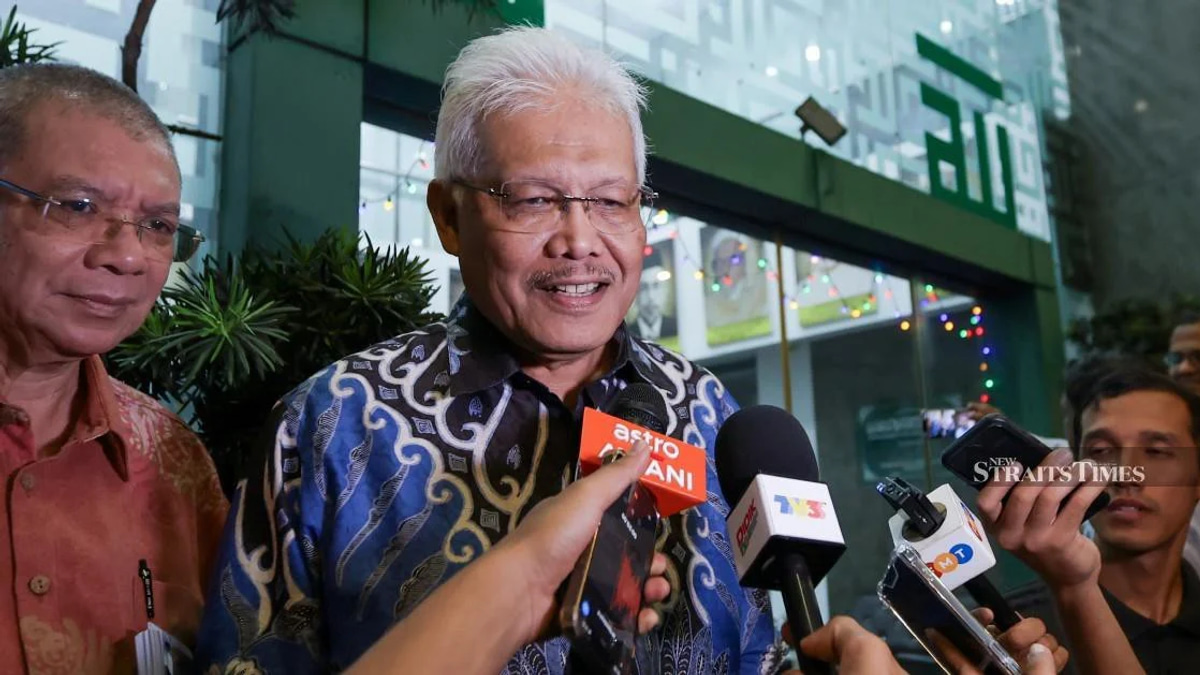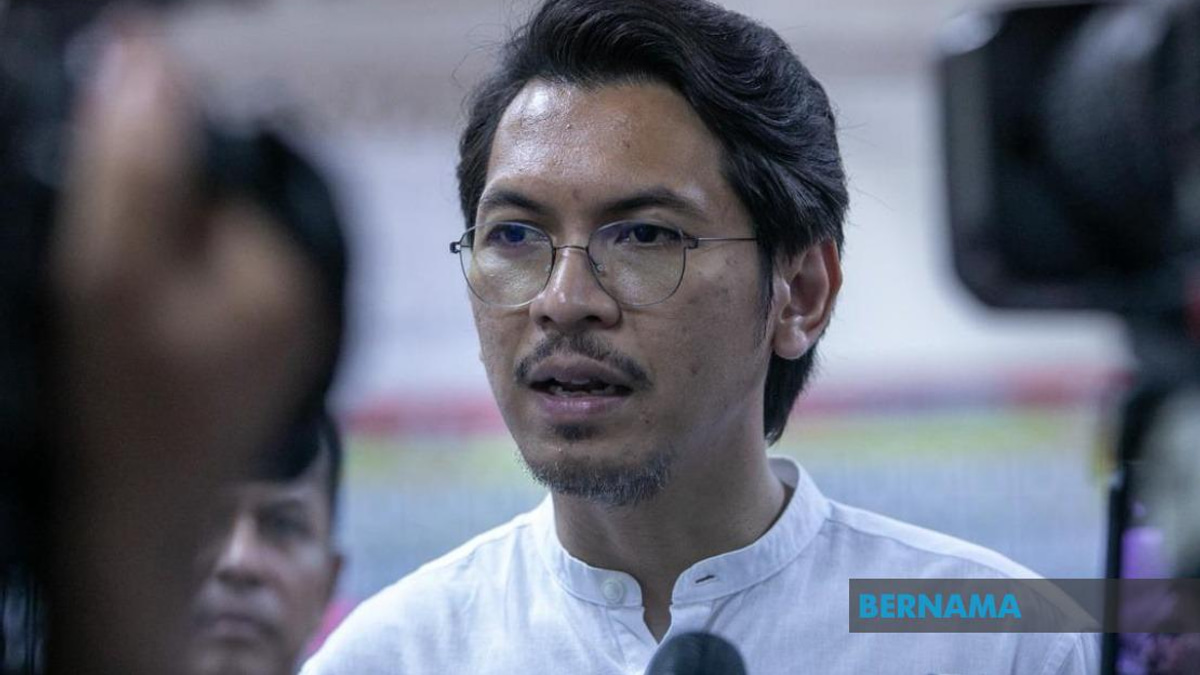
Political tensions in Johor have intensified as the race to lead Malaysia's southern state grows fiercer. PKR vice-president Datuk Seri Dr Zaliha Mustafa has publicly challenged Johor Barisan Nasional chairman Datuk Onn Hafiz Ghazi over what she describes as contradictory positioning regarding the menteri besar candidacy. The dispute highlights the strategic calculations both coalitions are making as they prepare for crucial state-level competition that could reshape the political landscape of one of Malaysia's most strategically important states.
Zaliha's criticism centres on Onn Hafiz's repeated calls for Pakatan Harapan to declare its menteri besar candidate before the Johor election takes place. The PKR leader has queried the logic behind this demand, suggesting that Onn Hafiz's position lacks internal consistency. By pushing PH to name its candidate prematurely, Onn Hafiz would theoretically allow his coalition to calibrate its campaign strategy accordingly, yet simultaneously expose the PH nominee to sustained attack over an extended campaign period. This tension between tactical advantage and practical campaign management sits at the heart of Zaliha's challenge.
The menteri besar selection process has become a focal point of pre-election negotiations across Malaysian politics. Unlike general elections where individual constituencies determine outcomes, state leadership involves choosing a figure who commands sufficient legislative support. In Johor, where BN has traditionally held sway, the party machinery has used the menteri besar question as a weapon to unsettle opposition preparation. Onn Hafiz's insistence on PH transparency appears designed to force the coalition into an early commitment, potentially allowing BN to disrupt whatever consensus PH builds around its chosen candidate.
Yet Zaliha's pointed questioning reveals a strategic vulnerability in the BN approach. If PH names its menturi besar too early, the individual becomes a lightning rod for criticism and becomes vulnerable to defection attempts or character assassination. Conversely, if PH delays its announcement, it risks appearing disorganised and uncertain about its vision for governance. Onn Hafiz's demand effectively asks PH to choose between these unattractive options, but only makes sense if BN itself has already settled on who would lead a victorious Johor BN coalition. The apparent absence of such clarity from the BN side lends weight to Zaliha's contention that the demand appears contradictory.
The broader context matters significantly for understanding this dispute. Johor remains a crucial battleground in Malaysian politics, a state large enough and strategically positioned enough to influence national calculations. Previous state elections have demonstrated Johor voters' willingness to shift allegiance, particularly when economic conditions or governance concerns dominate local discourse. Both coalitions recognise that securing Johor determines which side can claim momentum heading into future national politics. This stakes elevation explains why both camps scrutinise each other's every move regarding candidate selection and campaign positioning.
Pakatan Harapan's hesitation about naming its menteri besar candidate reflects internal negotiations within the coalition. The grouping comprises multiple parties with competing interests and ambitions. PKR, as the largest component, naturally holds substantial influence over candidate selection, yet DAP and other PH partners maintain their own claims and constituencies. Reaching genuine consensus takes time, and premature announcement risks antagonising coalition partners or signalling weakness if internal disagreements surface publicly. Zaliha's criticism of Onn Hafiz therefore carries an implicit message to PH supporters that the coalition will not be rushed into artificial timelines.
Barisan Nasional's own coherence has fluctuated over recent years. The coalition encompasses UMNO's traditional dominance, supplemented by smaller parties and independent-minded figures. Onn Hafiz's position as Johor BN chairman carries significant weight, yet his calls for PH to disclose prematurely suggest BN may itself lack settled direction regarding its preferred menteri besar candidate. If BN had crystallised its choice, the logic of demanding PH transparency becomes clearer: BN would position an established alternative to whatever PH proposed. The fact that Zaliha could credibly challenge this reasoning indicates BN's strategic vulnerability.
The menteri besar question also intersects with recent trends in Malaysian politics toward greater voter sophistication regarding candidate quality and governance capacity. Voters increasingly expect state leaders to demonstrate competence, administrative experience, and commitment to addressing specific local concerns. Both coalitions must therefore balance the advantages of strategic ambiguity in candidate selection against the corresponding risks that voters perceive their chosen leader as imposed rather than preferred. This creates genuine tension between political game-playing and electoral legitimacy.
Zaliha's challenge to Onn Hafiz should be understood as part of broader PH strategy to maintain coalition cohesion while refusing to play by BN's rules. By questioning the logic of premature candidate disclosure, PH signals that it will proceed according to its own timeline and consultative process. This approach carries risks, particularly if PH candidates eventually prove less compelling than BN's choice or if genuine internal disagreements about the menteri besar become public. However, it preserves flexibility that premature commitment would eliminate.
As the Johor election approaches, these public sparring matches over candidate selection will likely intensify. Both coalitions deploy such disputes to shape media narratives, test public reception to potential leaders, and manage internal party expectations about the stakes involved. Zaliha's intervention demonstrates that PH intends to control its own campaign calendar rather than accepting BN's preferred timeline. Whether this approach yields electoral dividends depends ultimately on whether PH's chosen menteri besar candidate can convince Johor voters that he or she deserves their support based on demonstrated capacity and concrete policy commitments rather than coalition mechanics or strategic positioning.