Bahrain is maintaining financial composure in the face of regional turbulence, having refrained from activating a substantial currency support facility from the United Arab Emirates even as the kingdom grapples with the economic consequences of escalating Middle Eastern tensions. The $5.3 billion swap agreement, finalised in April between the two Gulf neighbours, remains untapped, according to Noor bint Ali Alkhulaif, the kingdom's Minister of Sustainable Development and Chief Executive of the Bahrain Economic Development Board. Speaking this week during a period of renewed Iranian aggression against the island nation, Alkhulaif confirmed that Bahrain's central bank has not exercised the lifeline, signalling confidence in the country's ability to navigate its current predicament without resorting to the emergency facility.
The restraint reflects Bahrain's delicate position as one of the region's most economically exposed economies, sitting directly across the Persian Gulf from Iran and heavily dependent on maritime trade routes. The kingdom entered this turbulent period already burdened by one of the Gulf's heaviest debt loads, compounding the challenge of weathering unexpected shocks. When war erupted in the region earlier this year, Bahrain found itself confronting both immediate security concerns and significant macroeconomic headwinds that threaten growth and government revenues.
Credit rating analysts at S&P Global paint a sobering picture of the near-term outlook, projecting that the conflict will trigger a three percent contraction of Bahrain's gross domestic product this year. Beyond the shrinkage in economic activity, the assessors forecast a fiscal deficit reaching nearly 8.5 percent of GDP, widening the gap between government spending and revenue collection at precisely the moment when public resources are constrained. These metrics underscore why the unused swap line represents a meaningful safety valve, even if authorities are not currently drawing upon it.
Alkhulaif has publicly acknowledged that regional developments have derailed the kingdom's strategic priorities. "What has happened is unfortunate, not what we planned for," she told Reuters during an interview conducted as fresh tensions mounted. The setbacks interrupted what officials had envisioned as a transformative year focused on economic modernisation and structural reforms under the rubric of building a "new Bahrain."
Yet beneath the rhetoric of disrupted plans lies an emerging narrative of resilience. Recovery mechanisms are already functioning, according to Alkhulaif's assessment. Major manufacturing and logistics companies that normally channel goods through the Strait of Hormuz have begun establishing alternative supply chain routes to circumvent the conflict zone, limiting the damage to Bahrain's position as a regional hub. Regional tourism, which ordinarily constitutes roughly 90 percent of visitor arrivals and amounted to 15 million annual visitors before the war, has rebounded to approximately pre-conflict levels. This restoration of tourism demand is particularly significant given Bahrain's growing emphasis on diversifying away from oil dependence.
Concerns about foreign exchange reserves warrant closer examination. Bahrain's foreign reserves have dwindled to approximately $3 billion, their lowest point since the COVID-19 pandemic disrupted global economies. This compression of reserves, while concerning in absolute terms, has not triggered central bank recourse to the UAE swap, suggesting that policymakers view the drawdown as manageable within existing frameworks. The decision to preserve the swap untapped may also reflect strategic thinking about keeping the facility available for more severe contingencies that could materialise if regional hostilities intensify further.
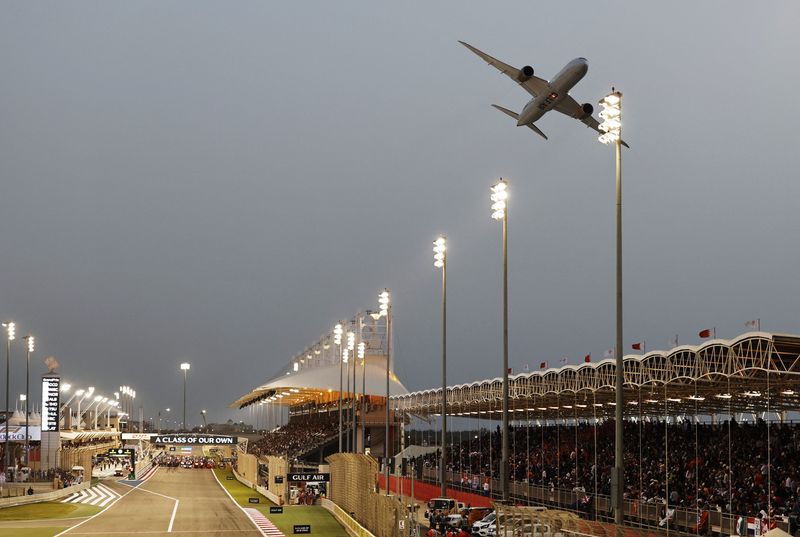
Among Bahrain's efforts to stabilise its outlook is a push to restore international sporting prestige and economic stimulus through the Formula One Grand Prix. The race was cancelled along with Saudi Arabia's inaugural event in March when hostilities commenced, removing a significant source of tourism revenue and international attention from the kingdom's calendar. Current discussions centre on whether the Bahrain Grand Prix can be reinserted into the 2024 season, with Formula One sources identifying the weekend of October 3rd and 4th as the most plausible slot, positioned between Baku's Azerbaijan Grand Prix and Singapore's October 11th race.
Restoring the event would deliver tangible economic benefits. A typical Bahrain Grand Prix weekend attracts approximately 105,000 spectators to the Sakhir circuit, with international visitors accounting for 10 to 15 percent of attendance. These overseas fans typically spend more per capita than regional attendees, amplifying the multiplier effects across hospitality, retail, and transportation sectors. The prestige associated with hosting a Formula One race also generates broader marketing value, positioning Bahrain as a stable, forward-looking destination capable of managing major international events despite regional challenges.
However, substantial uncertainties remain. Alkhulaif acknowledged that easing United States-Iran hostilities represents a prerequisite for finalising the race schedule. Neither Bahrain nor Formula One authorities have confirmed the October dates, reflecting the reluctance to commit publicly until geopolitical conditions stabilise more decisively. Industry observers suggest that a decision needs to materialise relatively soon to allow teams adequate preparation time for logistics, equipment staging, and staffing deployment across the international circus.
Looking further ahead, Bahrain's position stands to strengthen considerably in the 2026-27 Formula One season. With Ramadan expected to occur earlier in the calendar that year, Bahrain is positioned to reclaim the prestigious opening race of the season, a position that carries significant reputational weight within global motorsports. The kingdom could additionally host the mandatory pre-season testing rounds that precede the championship campaign, further cementing its role as a cornerstone of the international racing calendar. Such arrangements would require sustained improvement in the regional security environment, making the trajectory of Iran-Western tensions the pivotal variable determining Bahrain's medium-term prospects.

